
Entertainment
Londoners Streaming Rich Life Shows While Cancelling Their Gym Memberships

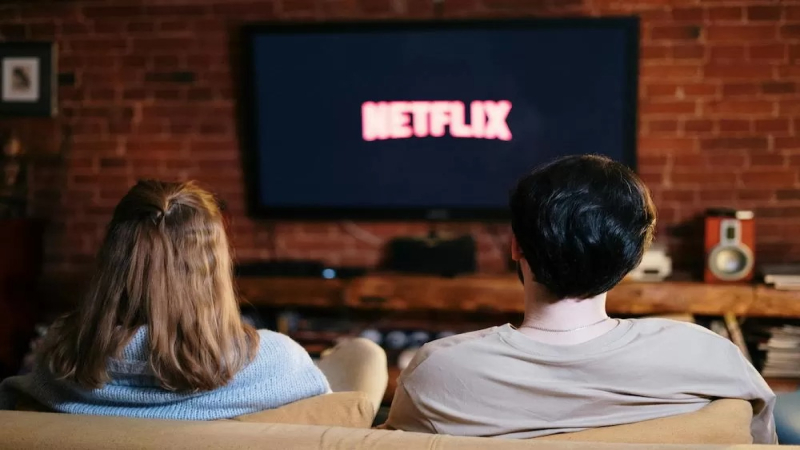
London’s cost of living pressure is quietly reshaping how people unwind. As rents, transport, and food bills rise, leisure habits are shifting in subtle but telling ways. One of the clearest signals is the growing appetite for luxury themed entertainment that offers escape without participation. High end reality series, influencer home tours, and aspirational lifestyle content are filling screens across the city.
This is not about chasing wealth anymore. For many viewers, it is about watching stability, abundance, and routine from a safe distance. Streaming subscriptions feel manageable. Gym memberships, fitness classes, and boutique wellness plans often do not. The result is a culture where comfort viewing replaces physical self improvement, and fantasy becomes a low cost form of relief.
Streaming Escapism Becomes the Affordable Luxury
Luxury focused shows are thriving because they offer something predictable in uncertain times. Viewers know what they will see: large kitchens, calm routines, and problems that are resolved within an episode. That sense of order has value when everyday expenses feel unpredictable. The appeal is not envy but reassurance. Watching someone else live without visible financial stress can be oddly soothing.
Unlike traditional aspiration media, these shows do not demand action from the audience. There is no call to hustle harder or invest smarter. The viewer simply watches and switches off. In a city where mental load has become as heavy as financial load, this passive form of entertainment fits neatly into daily routines.
Fitness Subscriptions Quietly Lose Their Appeal
The decline of gym memberships is less about motivation and more about prioritisation. When budgets tighten, recurring costs are reviewed first. Fitness subscriptions often sit at the intersection of good intentions and delayed usage. Streaming platforms, by contrast, are used daily and justify their cost quickly.
Home workouts still exist, but they compete with fatigue. After long commutes and extended workdays, many Londoners choose rest over discipline. The sofa wins. Screens win. The choice is practical rather than ideological. Wellness has not disappeared, but it has been postponed.
Comfort Watching Over Aspiration Culture
A noticeable shift is happening in how success is consumed. Earlier cycles of aspirational content pushed productivity, visible wealth, and constant improvement. Today’s popular luxury content is slower and softer. It focuses on routine, domestic calm, and controlled environments. This resonates with an audience that feels overstimulated and under constant economic pressure.
Instead of dreaming about becoming rich, viewers are gravitating toward the feeling of being financially unbothered. It is a subtle distinction, but an important one. The fantasy is no longer excess. It is stability.
Algorithmic Escapes and Emotional Budgeting
Streaming platforms play a role in reinforcing this pattern. Algorithms notice viewing habits and double down on similar content. One luxury themed show quickly leads to another. Over time, a personalised loop forms that feeds calm, controlled visuals to stressed viewers.
This is also a form of emotional budgeting. People are cutting costs where stress outweighs benefit and keeping expenses that provide daily comfort. In that equation, streaming wins more often than physical self improvement. The decision is not framed as giving up on health, but as choosing mental ease in a demanding city.
Conclusion
Londoners are not abandoning ambition. They are managing exhaustion. The rise of rich life streaming alongside the quiet cancellation of gym memberships reflects a city adapting to pressure in small, human ways. Entertainment has become a place to rest rather than strive. In a high cost environment, watching comfort can feel like enough for now.



