Politics
London Politics Faces New Pressure Over Housing Transport and Cost of Living Challenges

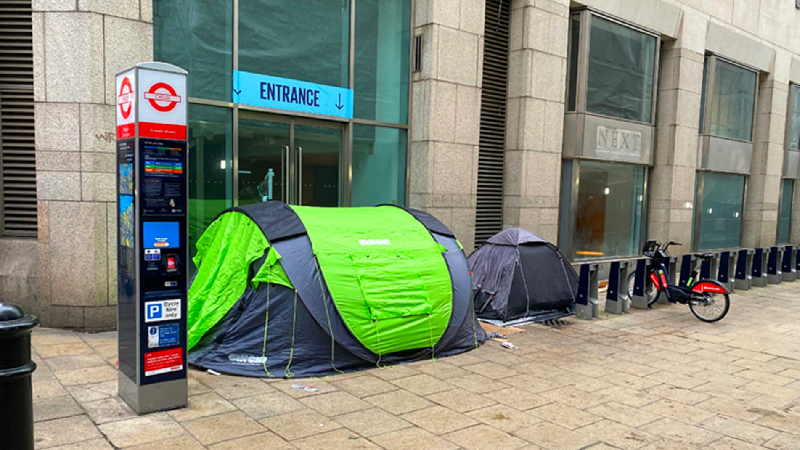
London’s political landscape is under increasing pressure as city leaders continue to address rising concerns over housing shortages, transport affordability, and the overall cost of living. Local government bodies and policymakers are facing growing public demand for practical solutions as residents across the capital struggle with higher rents, stretched public services, and economic uncertainty. The debate around how to balance development, sustainability, and affordability has become central to political discussions shaping the future of the city.
Housing remains one of the most critical issues in London politics, with demand continuing to outpace supply across many boroughs. Rising property prices and limited availability of affordable housing have intensified scrutiny on development policies and planning regulations. City officials are exploring new housing schemes and regeneration projects aimed at increasing supply, while also attempting to protect community structures and prevent displacement of long term residents. The challenge lies in ensuring that growth does not come at the cost of social stability.
Transport is another key focus area, with ongoing debates surrounding fare increases, infrastructure investment, and service reliability. Commuters rely heavily on the public transport network, and any disruptions or cost changes quickly become political issues. Discussions around expanding capacity, improving efficiency, and integrating greener transport solutions are shaping long term policy decisions. Environmental targets are also influencing transport strategies, pushing for cleaner and more sustainable urban mobility solutions.
The cost of living crisis continues to dominate political conversations across London. Rising energy bills, food prices, and everyday expenses are putting pressure on households, prompting calls for stronger support measures and targeted relief programs. Local authorities are working alongside national government initiatives to provide assistance, but concerns remain about whether current policies are sufficient to address the scale of the challenge facing residents.
Economic development and job creation are also key priorities for London’s political agenda. Policymakers are focusing on attracting investment, supporting small businesses, and strengthening key industries such as finance, technology, and creative sectors. At the same time, there is growing emphasis on ensuring that economic growth benefits all communities across the city rather than being concentrated in specific areas.
Public opinion and civic engagement are playing a stronger role in shaping political outcomes, with residents increasingly vocal about local decisions that affect their daily lives. Community consultations, public forums, and digital platforms are being used more frequently to gather feedback and influence policy direction. This shift reflects a broader trend toward more transparent and participatory governance in the capital.
As London continues to evolve, political leaders face the ongoing challenge of balancing competing priorities while maintaining stability and growth. The decisions made in areas such as housing, transport, and economic policy will play a crucial role in defining the city’s future direction and its ability to remain a global urban center.