Business
London Markets Stay Calm While Global Trade Drama Sends Economists Into Spreadsheet Therapy

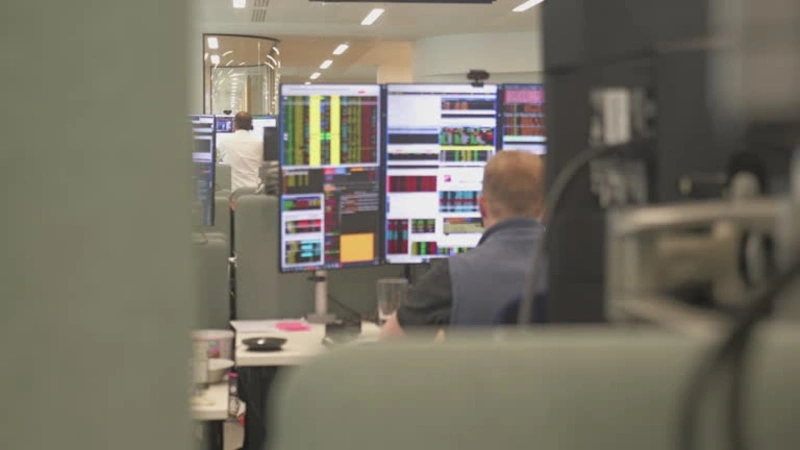
Financial markets in London have shown a surprising level of stability even as global trade tensions continue to create uncertainty across major economies. Investors are carefully monitoring developments in international trade policy, particularly the possibility of new tariffs and shifting supply chain dynamics that could influence economic growth across Europe. Despite these concerns, market activity in the United Kingdom has remained relatively steady. Analysts say the reaction reflects a cautious but measured approach by investors who are balancing the risks of global trade disruptions with signs that the UK economy is adapting to a more complex international environment.
Global Trade Uncertainty Shapes Market Sentiment
Global trade discussions have become one of the most closely watched factors influencing financial markets in recent months. Economists and investors are evaluating how new tariff proposals and geopolitical tensions might affect international supply chains and export demand. For European economies that rely heavily on trade, these developments could have significant consequences.
London’s financial markets have been responding carefully rather than dramatically. Market participants are adjusting expectations about global growth while also considering the resilience of domestic sectors. Investors often focus on long term economic fundamentals, which helps explain why market movements have remained relatively controlled even when headlines suggest rising international tension.
Investors Focus on Economic Fundamentals
One reason London markets have remained calm is the continued emphasis on economic fundamentals such as corporate performance, employment levels and consumer spending. While global trade disputes can influence investor sentiment, financial markets often evaluate a broader range of indicators before reacting strongly.
Many analysts believe that businesses operating in the United Kingdom have become more adaptable after several years of economic uncertainty. Companies have diversified supply chains, expanded digital operations and developed strategies to manage fluctuations in international trade conditions. This flexibility has helped maintain confidence among investors who are evaluating long term growth potential rather than reacting solely to short term policy developments.
European Trade Pressures Continue to Build
Although London markets have remained stable, economists continue to study how changes in trade policy could affect the wider European economy. Export oriented industries across the continent rely heavily on open trade relationships. When tariff discussions intensify, companies must evaluate how potential barriers could influence production costs and market access.
Manufacturing sectors are particularly sensitive to trade policy changes because they depend on complex supply networks that extend across multiple countries. Even small adjustments in tariffs can influence pricing strategies and investment decisions. Economists often analyze these trends using detailed financial models and economic forecasts in order to understand potential impacts on growth.
Businesses Adjust to a Changing Trade Environment
Many companies operating in the United Kingdom are responding to global trade uncertainty by strengthening domestic operations and exploring new international markets. Businesses are increasingly focused on building resilient supply chains that can withstand shifts in trade policy or transportation disruptions.
Technology and services sectors have also expanded their influence within the UK economy. These industries often rely less on physical trade routes and more on digital infrastructure, which can reduce exposure to tariff related challenges. As a result, parts of the British economy may be better positioned to adapt to evolving trade conditions than traditional manufacturing sectors.
Economists Continue to Monitor Global Indicators
Economists around the world continue to analyze data related to trade flows, production output and investment patterns. Financial institutions and research organizations regularly update their forecasts as new information becomes available. Market analysts use these insights to evaluate potential scenarios for global economic growth.
While the phrase spreadsheet therapy might sound humorous, it reflects the reality that economists spend considerable time reviewing detailed datasets and financial models. Understanding global trade dynamics requires careful examination of export volumes, currency movements and policy decisions that can influence economic performance across multiple regions.
London Maintains Its Role as a Financial Hub
Despite uncertainty in global trade discussions, London continues to maintain its position as one of the world’s leading financial centres. The city hosts a wide range of international banks, investment firms and financial service providers that contribute to the resilience of the market.
This diversity allows London’s financial ecosystem to absorb external shocks more effectively than smaller markets. When trade tensions increase, investors often rely on established financial hubs where capital markets remain liquid and well regulated. The presence of global financial institutions also ensures that London continues to play a central role in international economic analysis and investment strategy.
Conclusion
London’s financial markets have remained relatively stable even as global trade tensions create uncertainty across international economies. Investors are carefully monitoring developments in tariff discussions and supply chain adjustments while relying on economic fundamentals to guide long term market expectations.