Latest News
London Income Gap Widens as Richest Areas Pull Further Ahead

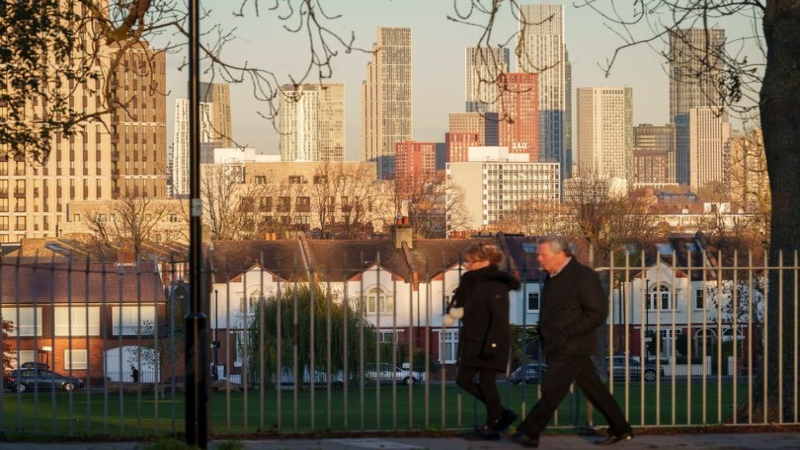
The gap between London’s richest and poorest neighbourhoods has widened sharply, with households in the capital’s highest earning areas now having nearly £76,000 more disposable income each year than those at the bottom. New figures show the scale of inequality across the city, where wealth and deprivation often exist side by side. In the Leamouth area of Tower Hamlets, households recorded an average disposable income of more than £107,000 in the financial year ending 2023, making it the highest earning neighbourhood in London. The riverside district, located between Canary Wharf and Canning Town, has seen significant development in recent years, with high end apartment blocks attracting well paid professionals. In contrast, Southall West in Ealing emerged as the lowest earning neighbourhood in the capital, where average household disposable income stood at just under £31,700 a year, highlighting a stark divide in living standards across the city.
The figures underline how rapidly the income gap has grown in a short period of time. Just three years earlier, the difference between London’s richest and poorest neighbourhoods was around £41,300 a year, meaning the gap has expanded by more than 80 percent. Many of the capital’s wealthiest districts now sit directly alongside areas facing some of the greatest financial pressures. In east London, Leamouth borders Poplar Central, where average household disposable income was about £35,000, creating a gap of more than £72,000 between neighbouring communities. Nearby Blackwall recorded an average of £75,100, still significantly below Leamouth despite its proximity. Similar patterns can be seen in central and west London, where lower income neighbourhoods are surrounded by areas with substantially higher household earnings, reinforcing concerns about uneven development and access to opportunity.
The data, released by the Office for National Statistics, measures disposable household income after income tax, national insurance and council tax have been paid. The figures are calculated for small geographic areas made up of a few thousand households, offering a detailed picture of how income is distributed across London. Nearly half of all London neighbourhoods fall within the top 10 percent nationally for average disposable income, far exceeding any other region in the country. At the same time, pockets of persistent low income remain, particularly in parts of west and south London, where households face rising housing costs and pressure on everyday spending. The findings add to ongoing debate about affordability, housing policy and inequality in the capital.