Fashion
London fashion industry evolves as designers blend heritage with modern innovation

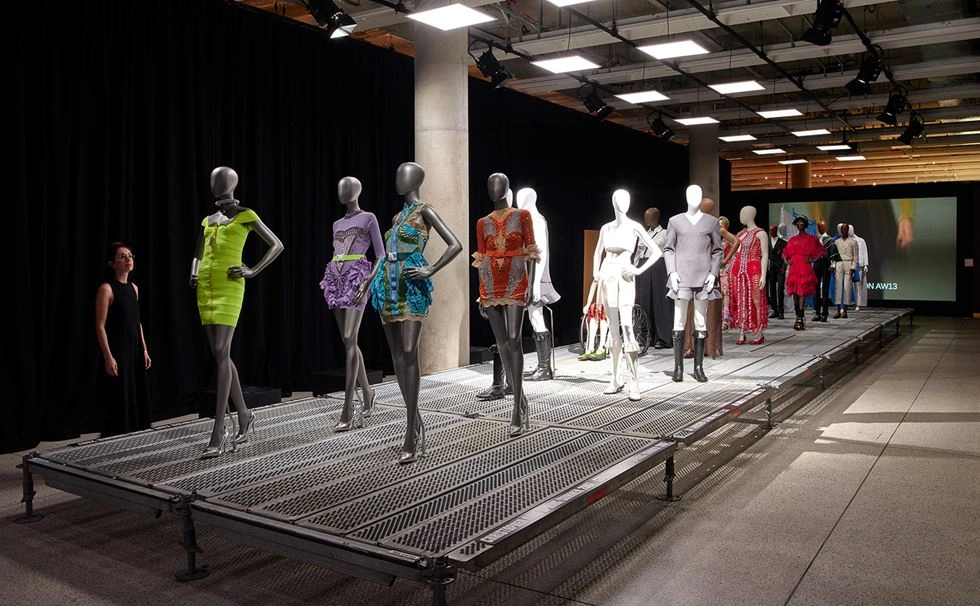
London’s fashion industry is undergoing a dynamic transformation as designers combine traditional craftsmanship with modern innovation to redefine global style trends. The city has long been recognized as a creative hub, and its fashion scene continues to push boundaries by experimenting with new materials, digital design tools, and sustainable practices. This evolution reflects a broader shift in the industry, where originality and adaptability are becoming essential for maintaining relevance in a highly competitive global market.
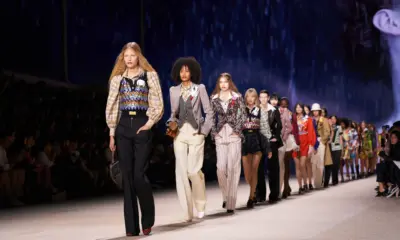
Recent fashion showcases in London highlight a strong emphasis on individuality and cultural expression. Designers are drawing inspiration from diverse influences, creating collections that reflect both local identity and global perspectives. This approach is resonating with audiences who are seeking authenticity and uniqueness in fashion. At the same time, established brands are reimagining their legacy styles, introducing contemporary elements that appeal to younger consumers while maintaining their core identity.
Technology is playing a significant role in shaping the future of fashion in London. Digital platforms are transforming how collections are presented and marketed, allowing designers to reach a wider audience beyond traditional runway shows. Virtual fittings, online showcases, and social media campaigns are becoming integral parts of the industry, enabling brands to connect directly with consumers. This shift is also influencing production processes, with data driven insights helping designers understand trends and customer preferences more effectively.
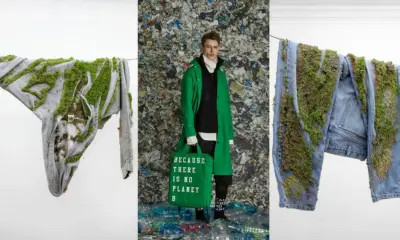
Sustainability has emerged as a key focus within the London fashion scene, as both designers and consumers become more conscious of environmental impact. Brands are exploring eco friendly materials, ethical sourcing, and circular production models to reduce waste and promote responsible practices. This movement is not only addressing environmental concerns but also creating new opportunities for innovation, as companies develop solutions that align with changing consumer values.
The economic impact of the fashion industry in London remains substantial, contributing to employment, tourism, and international trade. Fashion events and retail activity attract global attention, reinforcing the city’s position as a leading fashion capital. The integration of technology and sustainability is further strengthening this position, as London continues to adapt to evolving market demands.
As the industry moves forward, the balance between creativity, technology, and sustainability will define its trajectory. Designers and brands that can successfully integrate these elements are likely to lead the next phase of fashion innovation, shaping trends that extend far beyond the city itself.