News
London faces growing pothole crisis as repair backlog exceeds one billion pounds

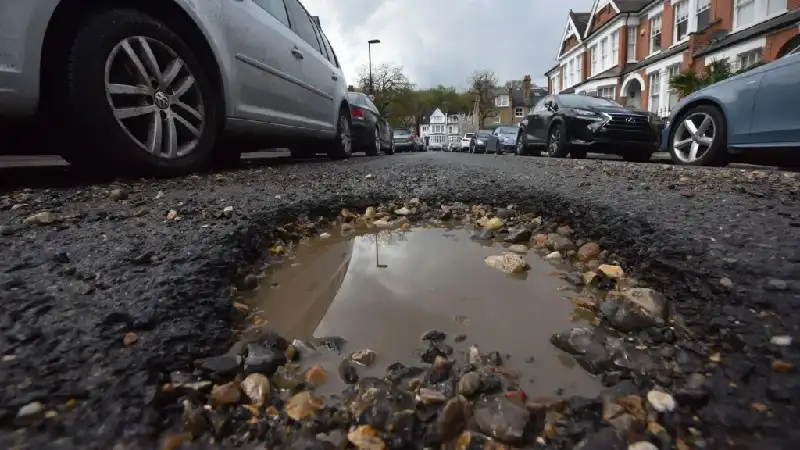
London’s road network is facing mounting pressure as a new report warns there is no quick solution to the city’s worsening pothole problem despite increased funding. The latest assessment highlights that while some early improvements have been made, the overall condition of roads remains a serious concern. The financial burden of repairing damaged carriageways has now reached more than one billion pounds, reflecting years of underinvestment and the scale of deterioration across the capital’s streets.
The report found that nearly half of London’s road network is currently in good structural condition, but a significant portion is approaching critical levels of wear. Around one fifth of roads, equivalent to more than one thousand nine hundred miles, are estimated to have less than five years of structural life remaining. This means that without major intervention, large sections of the network could require extensive and costly reconstruction rather than routine maintenance, adding further pressure to already stretched local authority budgets.
Although funding from local boroughs and support from central government has increased, experts say the improvements are only marginal compared to the size of the problem. Investment has helped slow the rate of decline in some areas, but it has not been sufficient to address the growing backlog of repairs. Rising material costs and the complexity of maintaining ageing infrastructure have also made it more difficult for councils to keep up with demand, leaving many roads in a visibly deteriorating state.
Industry figures have described the situation as deeply concerning, pointing to the everyday impact on drivers and pedestrians. Potholes are not only damaging vehicles but also creating safety risks, with motorists often forced to slow down or swerve to avoid hazards. This can lead to accidents and disrupt traffic flow, particularly on busy urban routes. In addition, there are concerns about injuries to cyclists and pedestrians, highlighting the wider safety implications of poorly maintained roads.
The condition of local roads also has broader economic consequences, as they form the foundation of daily transport and logistics across the city. From commuting to accessing essential services, most journeys begin on local streets, making their reliability critical for both individuals and businesses. Poor road conditions can lead to increased vehicle maintenance costs, delays in deliveries and reduced productivity, all of which contribute to wider economic strain.
Officials and industry experts are calling for a long term, sustained approach to road maintenance rather than short term funding boosts. They argue that consistent investment is needed to prevent further deterioration and reduce the overall cost of repairs over time. Without a strategic plan, the backlog is expected to continue growing, making it increasingly difficult to restore London’s roads to a safe and reliable standard.