Business
From Tube Fares to Takeaways: Is London Sleepwalking Into a Cashless Default?

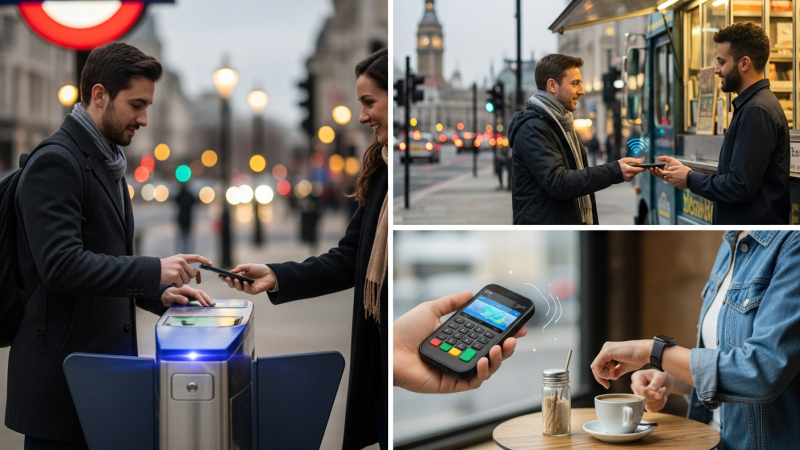
In London, paying with cash is starting to feel like a deliberate choice rather than the norm. From tapping through Underground gates to ordering late-night takeaways, digital payment has become the quiet default across the city. Most residents no longer think about how money moves during daily transactions. They simply expect it to be instant, seamless, and invisible. The question now emerging is whether London has drifted into a cashless standard without fully debating the consequences.
This transformation did not happen overnight. It evolved through contactless cards, smartphone wallets, and app-based checkout systems that gradually replaced notes and coins. As digital settlement models have matured, particularly those designed to behave with relative price consistency, the reliance on physical cash has diminished further.
How Everyday Payments Became Fully Digital
Transport has played a major role in shaping behavior. Contactless access to buses and Tube services normalized tap and go payments years ago. Once commuters became comfortable with that model, extending it to coffee shops and supermarkets felt natural.
Retailers reinforced the trend by optimizing checkout for speed. Digital wallets now integrate loyalty programs, budgeting tools, and subscription management. These features create added convenience that cash simply cannot replicate.
Behind many of these systems are structured digital settlement layers designed to provide predictable value behavior. By relying on diversified reserves and controlled issuance mechanisms, they aim to ensure smooth processing without volatility at the point of sale.
Convenience Versus Financial Inclusion
The convenience of a cashless environment is undeniable. Payments clear quickly, receipts are stored automatically, and refunds are processed without manual intervention. For businesses, reduced cash handling lowers security and administrative costs.
However, not all Londoners benefit equally. Older residents, vulnerable communities, and those without consistent digital access may find themselves excluded. As more shops decline cash, participation in everyday commerce can become dependent on technology.
Policymakers and advocacy groups are increasingly raising this issue. A balanced payment ecosystem must consider inclusion as carefully as efficiency. Digital progress should not unintentionally marginalize segments of society.
Cross-Border Living in a Global City
London’s international character further accelerates the shift away from cash. Students, remote workers, and migrant families frequently transfer funds across borders. Digital wallets and structured settlement tools simplify these transactions.
By reducing currency conversion layers and shortening settlement times, digital systems appeal to users who move money internationally. Cash offers no comparable flexibility in cross-border contexts.
Charitable organizations and faith-based institutions operating in the city are also adapting. They evaluate digital channels not only for speed but for reserve transparency and governance standards. Ethical settlement mechanisms have become part of institutional decision-making.
Regulation and the Question of Control
As cash usage declines, regulation becomes increasingly important. UK authorities are assessing how digital settlement tools should be supervised to ensure consumer protection and operational resilience. Clear reserve disclosure and redemption pathways are central to these discussions.
The goal is to maintain trust as digital payments expand. Without robust oversight, confidence in the system could weaken during periods of stress. Lawmakers are therefore focused on building frameworks that align innovation with accountability.
There is also a broader debate about monetary sovereignty. As private digital settlement models gain scale, questions arise about their relationship to traditional banking and central oversight. These discussions will shape the next phase of financial policy.
Cultural Shift or Temporary Phase
Some analysts argue that London’s move toward cashless living is irreversible. Younger generations rarely carry notes, and businesses increasingly optimize for digital-first interactions. Convenience continues to outweigh nostalgia.
Others caution that reliance on digital infrastructure introduces new vulnerabilities. Power outages, network disruptions, or cybersecurity risks can expose the fragility of a fully digital system. Maintaining optionality may therefore remain important.
What is clear is that behavior has already changed. From Tube fares to takeaways, digital settlement has become the default expectation rather than an alternative. Whether this represents progress or quiet complacency depends on how thoughtfully the city manages the transition.
London’s Quiet March Toward Cashless Living
London appears to be edging toward a cashless standard through convenience rather than formal decree. As structured digital settlement systems deepen their presence across transport, retail, and cross-border finance, the city must balance efficiency with inclusion and oversight to ensure that innovation strengthens rather than narrows access to everyday economic life.