
Politics
Life Sentence for West End Christmas Day Killing

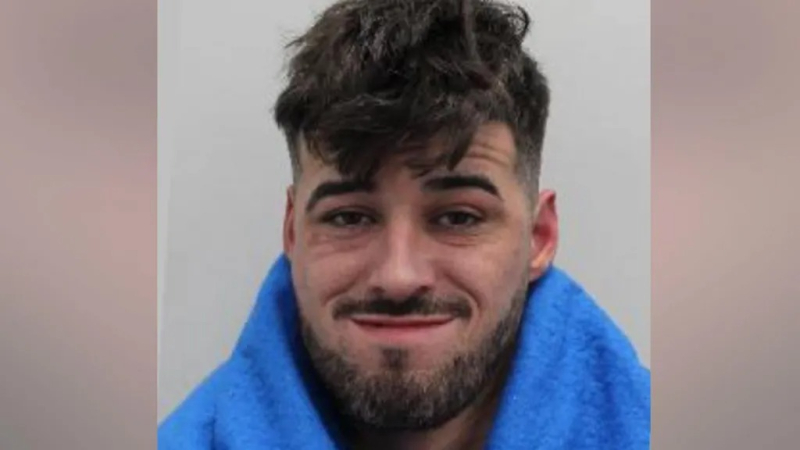
A driver who carried out a deadly rampage through London’s West End during the early hours of Christmas Day has been sentenced to life in prison, with a minimum term of 37 years before parole can be considered. The case centred on a violent sequence of events that unfolded after a night of heavy drinking, when the defendant deliberately drove a high-powered car into pedestrians along Shaftesbury Avenue. The court heard that five people were struck during the incident, which caused panic in one of central London’s busiest nightlife areas. One victim later died from severe head injuries, while others were left with lasting physical and psychological trauma. The sentencing hearing at the Old Bailey brought an end to months of legal proceedings following a high-profile trial that drew attention to issues of alcohol-fuelled violence and public safety in crowded urban areas.
Prosecutors outlined how the attack followed an earlier confrontation outside a nightclub, during which the driver racially abused a man and physically assaulted him before fleeing the scene. After being challenged by bystanders, he returned to his vehicle and began driving aggressively through nearby streets, deliberately mounting pavements and steering towards groups of people. The court was told that he narrowly avoided a family with a young child before crossing the road and striking two more pedestrians at speed. CCTV footage and witness accounts showed calculated actions rather than loss of control, according to the prosecution. Police later pursued the vehicle through central London, recording speeds of more than 90 miles per hour before the driver was arrested near Covent Garden. The jury accepted that the actions were intentional and rejected claims that the driver had lost control.
The victim who died was described in court as a devoted father, a creative individual and someone deeply loved by family and friends. Impact statements from relatives detailed the lasting devastation caused by his death, with his father telling the court that grief had reshaped every part of daily life. Other victims described ongoing injuries and fear following the attack, saying the events of that night continued to affect their sense of safety in public spaces. The prosecution also highlighted the defendant’s long criminal history, which began in his early teens and included multiple previous offences. Evidence showed he had no driving licence and was uninsured at the time of the incident, factors that further aggravated the seriousness of the case in the eyes of the court.
In mitigation, defence counsel argued that the defendant had grown up in difficult circumstances and expressed remorse for the harm caused, though this was strongly disputed by the prosecution and the victims’ families. Passing sentence, the judge said the loss of life lay at the heart of the case and that no punishment could undo the damage inflicted on those affected. The life sentence reflected the extreme danger posed to the public and the deliberate nature of the violence carried out in a busy part of the capital. As the defendant was taken from the courtroom, he maintained that he had not intended to kill, but the judge made clear that the evidence showed a sustained and reckless disregard for human life.



