Politics
Labour Faces Fierce Accusations After Mayor Elections Postponed Until 2028

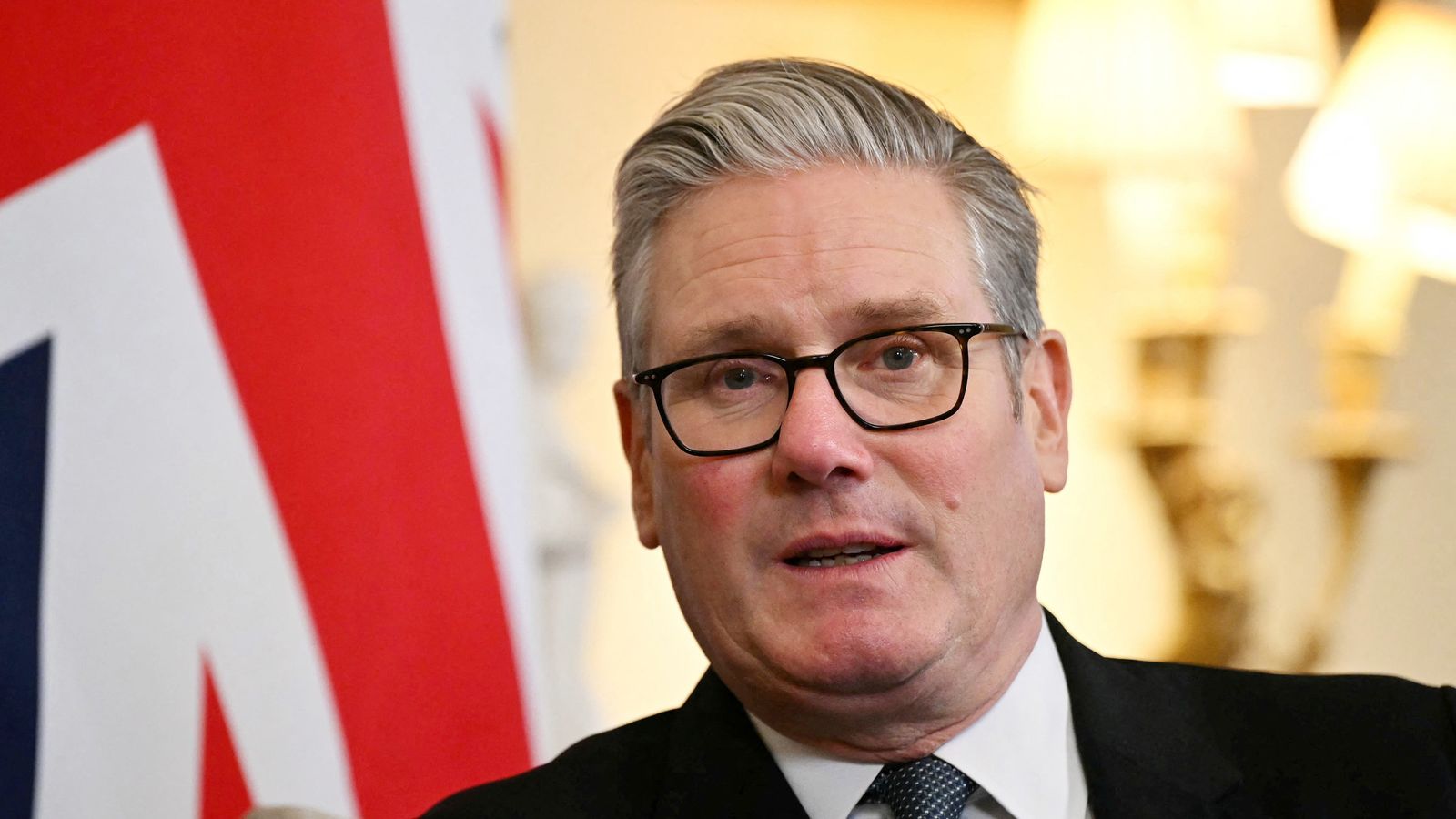
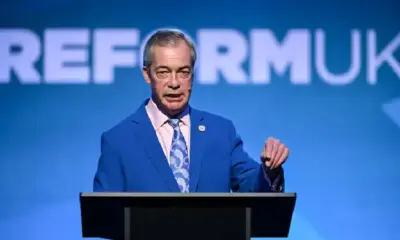
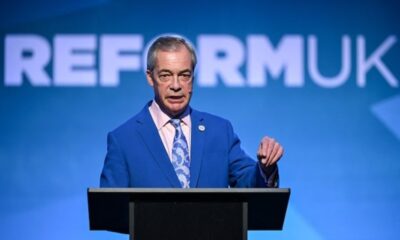
A political storm erupted after news broke that four mayoral elections scheduled for May 2026 are now expected to be pushed back by two full years. Sky News learned that the votes for the new mayoralties in Essex, Hampshire, and the Solent, Sussex and Brighton and Norfolk, and Suffolk will not happen until 2028. The decision was first reported by The Sun and is expected to be confirmed by ministers. The delay has triggered intense backlash especially from Reform UK, whose leaders say the move is nothing short of a scandalous attempt to undermine democratic choice.
Accusations of political interference
Reform UK responded with outrage claiming the postponements were a blatant attempt to prevent the party from achieving significant results in what could have been a major local election year. Party figures argue that these regions were becoming increasingly competitive and that Labour wanted to avoid the embarrassment of losing ground in newly reorganised areas. They insist that elections should take place on time regardless of political consequences and that changing the schedule twice raises serious questions about fairness and transparency.
A second round of delays that fuels frustration
This is not the first time voters in these areas have been told their elections must wait. Local elections that were originally set for May 2025 were postponed by Angela Rayner who served as communities secretary at the time. Her decision pushed the timeline by one year in order to transform these councils into combined authorities led by elected mayors. The goal was to give each region a more streamlined leadership model similar to mayoral systems already in place in other parts of England. However the newly formed bodies have since said they need more time to complete their restructuring which means yet another postponement.
Why councils say they cannot proceed
Officials within the affected regions argue that the scale of administrative changes has been larger than expected. Creating combined authorities requires merging responsibilities coordinating budgets establishing new governance rules and ensuring legal frameworks are properly aligned. Council leaders say that attempting to rush the process could result in confusion and operational issues once the new mayors take office. They insist that a fully functional system must be in place before residents cast their votes to avoid long term complications.
The political risks of delays
Even though councils defend the decision on practical grounds many critics believe the timing conveniently benefits the current government. Delaying elections removes the possibility of a shift in local power during a period when national politics remains unpredictable. Opponents also say that continued postponements increase voter disillusionment since residents are now being told for the second time that their opportunity to elect local leaders will have to wait. Questions are circulating about whether the government is using administrative change as an excuse to control the political calendar.
How Labour has responded to the criticism
Labour officials argue that ensuring councils are fully prepared is the responsible approach and that holding elections before essential structural work is completed would ultimately harm communities. They say the delays are driven by logistics not by political strategy and that new mayoralties must begin on strong foundations to be effective. According to Labour the priority should be long term stability rather than rushing ahead for the sake of meeting an earlier deadline.
A debate that is far from over
The postponement has opened a wider debate about how and when governments should be allowed to change election timelines. Critics warn that continued delays risk normalising postponements whenever political pressure mounts. Supporters argue that major structural reforms naturally require extra time. As the announcement becomes official the controversy is likely to fuel many more discussions about democratic rights how local leadership should function and how much influence national parties should hold over election schedules. With tensions rising across the political spectrum this story will continue to shape conversations about trust governance and accountability in the years ahead.