News
Kenyan Lawmakers Accuse British Soldiers of Decades of Abuse and Rights Violations

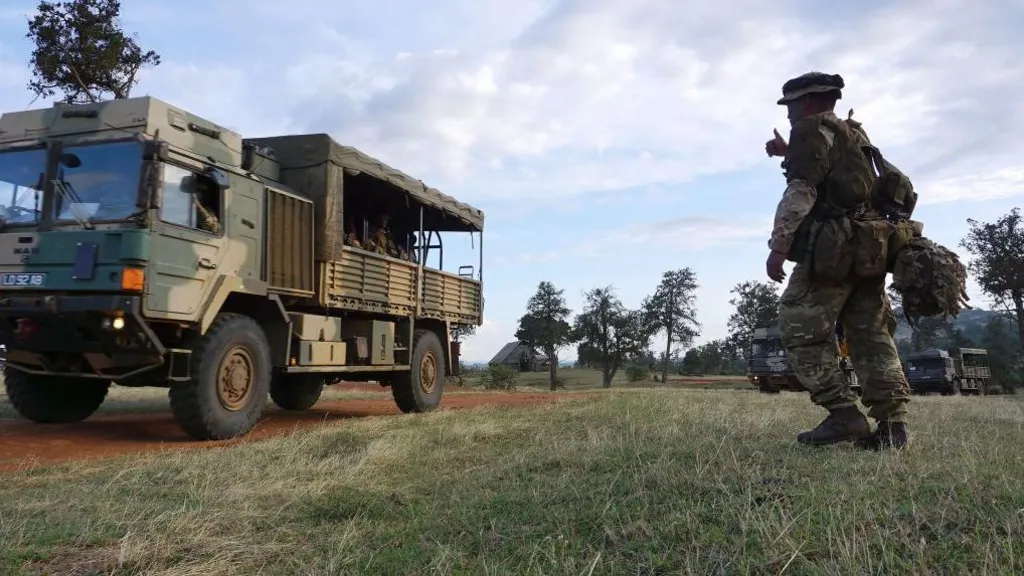
Kenya’s parliament has issued a strongly worded report accusing British soldiers stationed in the country of decades of sexual abuse, unlawful killings, human rights violations, and environmental damage. The findings follow a two-year inquiry that examined the actions of the British Army Training Unit in Kenya, known as Batuk, which has operated in the country for decades.
The report includes detailed testimony from residents of Laikipia and Samburu counties, regions near the military training areas. Community members described a long history of alleged misconduct by British troops, including assault, harassment, and violent confrontations. Lawmakers said that many witnesses expressed fear and frustration, claiming that efforts to seek justice had been ignored or obstructed.
According to the parliamentary Committee on Defence, Intelligence and Foreign Relations, which led the inquiry, Batuk personnel repeatedly refused to fully cooperate with the investigation. The committee said this lack of collaboration undermined accountability and made it difficult to pursue credible allegations. The United Kingdom’s High Commission in Kenya expressed regret that its submissions were not reflected in the final report but said it remained willing to investigate any claims that fell under UK jurisdiction once evidence is presented.
Batuk has long been a source of controversy in Kenya. Each year, more than a thousand Kenyan soldiers receive training from British instructors, while thousands of UK troops take part in exercises in central Kenya. Supporters say the partnership strengthens Kenya’s military capabilities, but critics argue that misconduct has gone unchecked for too long.
The ninety four page parliamentary report outlines allegations of killings, maimings and assaults, including fatal traffic incidents involving British soldiers. Some residents claimed Batuk’s presence felt more like an occupying force than a development partner, with several drawing comparisons to colonial era mistreatment. The panel also cited environmental concerns, including damage caused by military exercises.
One of the most disturbing cases referenced in the report is the 2012 killing of Agnes Wanjiru, whose body was discovered in a septic tank at a hotel in Nanyuki nearly three months after she was reportedly seen with British soldiers. The committee stated that the pursuit of justice in her case had been marked by delays, interference and a lack of cooperation. It alleged that attempts to investigate the crime faced obstruction by Batuk personnel.
A former British soldier accused in connection with Wanjiru’s death was arrested last month following a UK issued warrant. He now faces possible extradition to Kenya but has denied the charges. His lawyers say he intends to contest the extradition proceedings.
The report has intensified public debate in Kenya about the long term presence of foreign troops and the need for stronger safeguards to protect civilians. Lawmakers say the next step is to determine how the government will address the findings and ensure accountability in cases involving foreign military forces.