News
Kenyan Court Halts US Health Aid Deal Amid Fears Over Personal Data Privacy

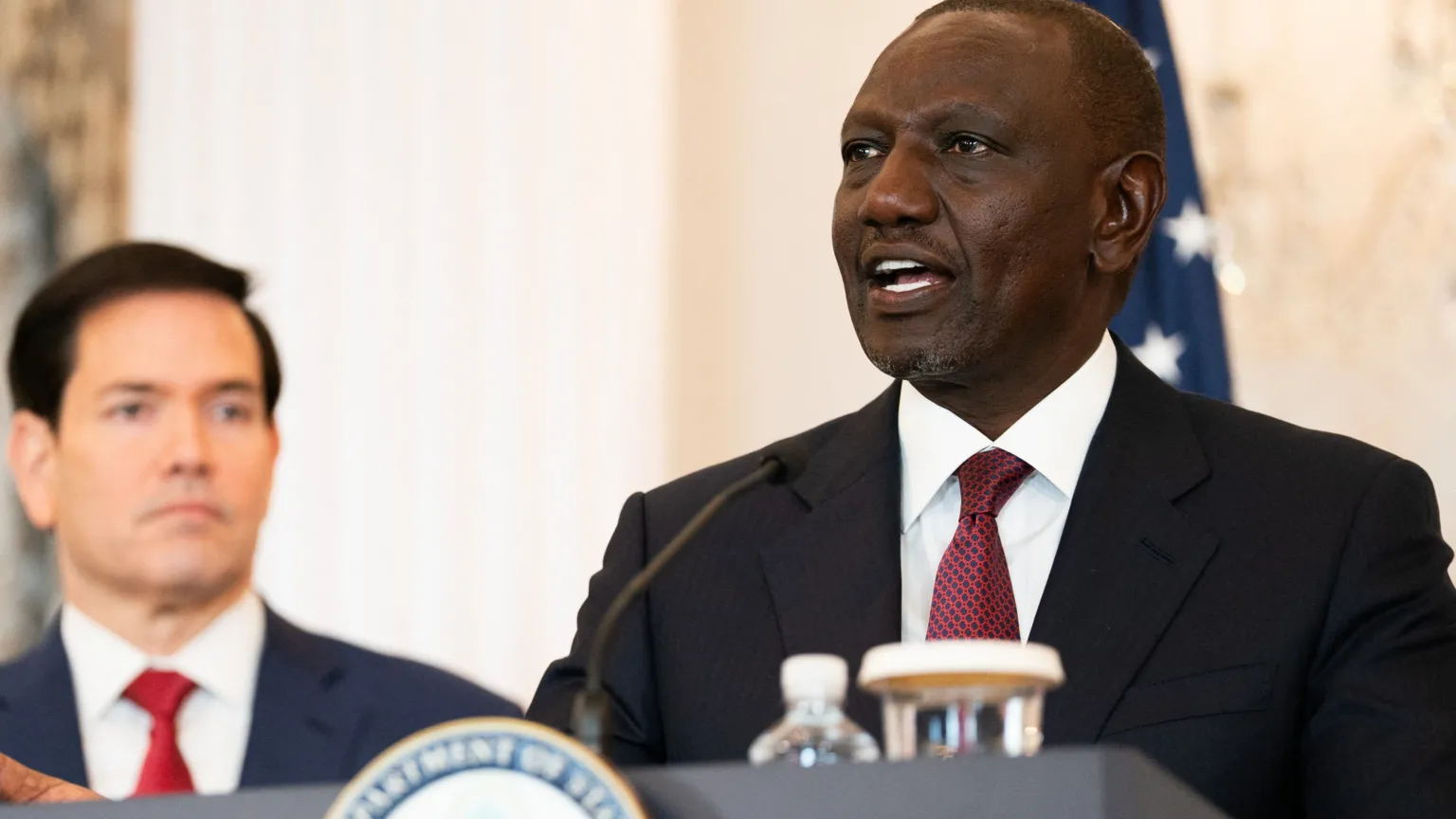
A Kenyan court has temporarily stopped the rollout of a major health aid agreement with the United States after concerns were raised about how the deal might allow the transfer and sharing of sensitive personal data. The two point five billion dollar programme, signed last week and hailed as a landmark partnership, is now on hold as legal and public scrutiny intensifies.
The suspension follows a petition filed by a consumer rights organisation, which argued that the agreement could expose Kenyans’ medical and epidemiological information to misuse. The group warned that the deal lacked clear safeguards to protect citizens’ privacy and had the potential to violate constitutional rights related to data protection.
In its interim ruling, the court ordered Kenyan authorities to refrain from taking any actions that would implement parts of the agreement involving the transfer, sharing or dissemination of health related personal data. The judge emphasised that the concerns raised were serious enough to justify pausing the deal until the case is fully heard.
The agreement with the United States is part of a broader shift in Washington’s foreign aid approach under President Donald Trump, who has recently signed similar health cooperation deals with other African nations. The programmes are intended to strengthen medical systems, improve disease surveillance and expand access to key health services. However, the rapid rollout and limited public consultation have sparked criticism in several countries.
In Kenya, privacy advocates say the government must demonstrate how citizens’ health data will be stored, who will have access to it and what protections will be in place to prevent commercial or political exploitation. They argue that the country’s history of uneven data governance makes it essential to ensure transparency before any international data sharing begins.
Government officials have not yet commented in detail on the court’s decision but have maintained that the agreement aims to improve Kenya’s health infrastructure and should be viewed as a strategic investment in public wellbeing. They say the partnership has the potential to strengthen disease monitoring, modernise hospitals and expand treatment programmes for chronic and infectious illnesses.
The court’s intervention marks a significant moment in Kenya’s ongoing debate over digital rights and data security. As more international partnerships involve the exchange of sensitive information, legal experts say the ruling sends a signal that such agreements must be carefully reviewed to ensure they align with constitutional protections.
The case is expected to return to court in the coming weeks. Until then, the health aid deal remains frozen, and both governments will face growing questions about how personal data will be handled under the new foreign aid framework.