Entertainment
Judge Says Ruling in Prince Harry Lawsuit Against Daily Mail Will Take Time After Lengthy Trial

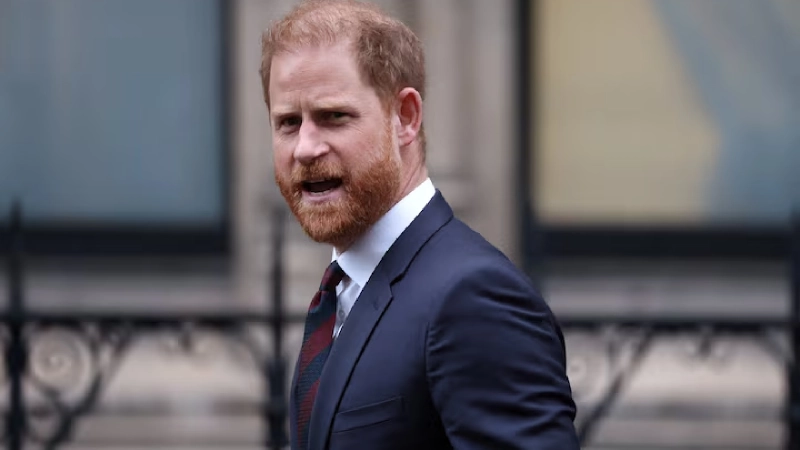
A UK High Court judge has indicated that a decision in the high profile lawsuit involving Prince Harry and several public figures against the publisher of the Daily Mail will not be delivered immediately, following weeks of detailed legal arguments. The case, which has drawn significant public and media attention, centers on allegations of unlawful information gathering practices spanning several decades. Judge Matthew Nicklin confirmed that the complexity and volume of evidence presented during the proceedings require careful consideration before a final judgment can be issued.
The lawsuit has been brought by Prince Harry, alongside other claimants including prominent figures from the entertainment and public sphere, who accuse Associated Newspapers of engaging in a wide range of privacy violations. These allegations include phone hacking, the use of private investigators, and obtaining confidential information through deceptive methods. The claims date back to the early 1990s and cover a prolonged period during which the claimants argue their personal lives were intruded upon unlawfully by journalists working for the publication.
During the trial, which lasted nearly ten weeks, the court heard extensive testimony from both sides. Legal representatives for the claimants argued that there was a systemic culture within the organization that encouraged or tolerated unlawful practices in pursuit of stories. They pointed to patterns of behavior involving private investigators and unauthorized access to sensitive information. In contrast, lawyers for the publisher strongly rejected these claims, describing them as unfounded and lacking credible evidence, while questioning the reliability of the witnesses presented.
In closing submissions, the claimants’ legal team emphasized the seriousness of the allegations and the potential consequences of any findings of wrongdoing. They argued that the case highlights broader concerns about accountability within sections of the media industry. Meanwhile, the defense maintained that the case was built on speculation and driven by individuals with grievances against the press. The publisher’s representatives insisted there was no proof of widespread unlawful activity and described the claims as exaggerated and inconsistent.
The judge acknowledged the scale and complexity of the case as he concluded the hearings, noting that delivering a well reasoned judgment would require significant time and attention. He stated that after a short break, he would dedicate himself fully to reviewing the evidence and preparing the ruling. The legal process has involved a substantial volume of documentation, witness testimony, and legal argument, making it one of the more detailed privacy related cases heard in recent years.
This case forms part of a broader series of legal challenges involving allegations of phone hacking and media misconduct in the United Kingdom. Over the past decade, similar cases have led to increased scrutiny of journalistic practices and prompted discussions around press regulation and privacy rights. The outcome of this particular case is expected to have implications not only for the parties involved but also for how future claims of this nature are handled within the legal system.
Public interest in the case remains high, particularly given Prince Harry’s ongoing efforts to challenge sections of the British press over privacy concerns. His involvement has added international attention to the proceedings, reflecting wider debates about the balance between press freedom and individual rights. Observers note that the case could influence how media organizations approach investigative reporting, especially when dealing with high profile individuals.
With the trial now concluded, all parties await the court’s decision, which is expected to take time as the judge reviews the extensive material presented. The ruling will determine whether the allegations of unlawful activity are upheld and what legal consequences, if any, will follow for the publisher. Until then, the case remains a focal point in discussions about media ethics, accountability, and the evolving relationship between public figures and the press.