
Tech
Japan Confronts a Growing Dementia Crisis, Turning to Technology for Solutions

Japan is facing a rapidly escalating dementia crisis that poses profound social and economic challenges. Last year alone, more than eighteen thousand older adults living with dementia left their homes and went missing, according to police records. Nearly five hundred of these individuals were later found dead, underscoring the severe dangers associated with wandering. Authorities report that such incidents have doubled since twenty twelve, revealing how quickly the issue is intensifying as Japan’s population continues to age at one of the fastest rates in the world.
An Ageing Population and a Shrinking Workforce
Elderly people aged sixty five and above now represent close to thirty percent of Japan’s total population, the second highest proportion globally after Monaco. This demographic shift has created an overwhelming demand for care services at a time when the country’s workforce is shrinking. Strict limits on foreign workers have further constrained the availability of caregivers, leaving families and care institutions under immense pressure. With fewer younger people available to support an expanding elderly population, Japan’s social systems are struggling to keep pace.
Mounting Economic Costs Add Urgency
The financial burden of dementia care is rising at a pace that alarms policymakers. Japan’s Health Ministry estimates that the total cost of health services and social support for individuals with dementia will reach fourteen trillion yen by twenty thirty. This represents a dramatic increase from nine trillion yen in twenty twenty five. These projections include medical treatment, long term care, community support programmes and the broader economic impact of lost productivity. The government now views dementia as one of its most urgent policy issues, requiring immediate and coordinated intervention.
Government Turns Toward Technology to Ease Pressures
In its latest national dementia strategy, the Japanese government signalled a stronger shift toward technological innovations as a way to reduce strain on the care system. Authorities believe that digital tools may offer efficient, scalable support where human resources fall short. Wearable devices, for instance, are being developed to help track the location of individuals who wander, alert families or authorities and prevent life threatening situations. Smart home systems equipped with sensors can also detect unusual movement patterns, send alerts and ensure safer living environments for those with early stage dementia.
Technologies Designed to Support Caregivers
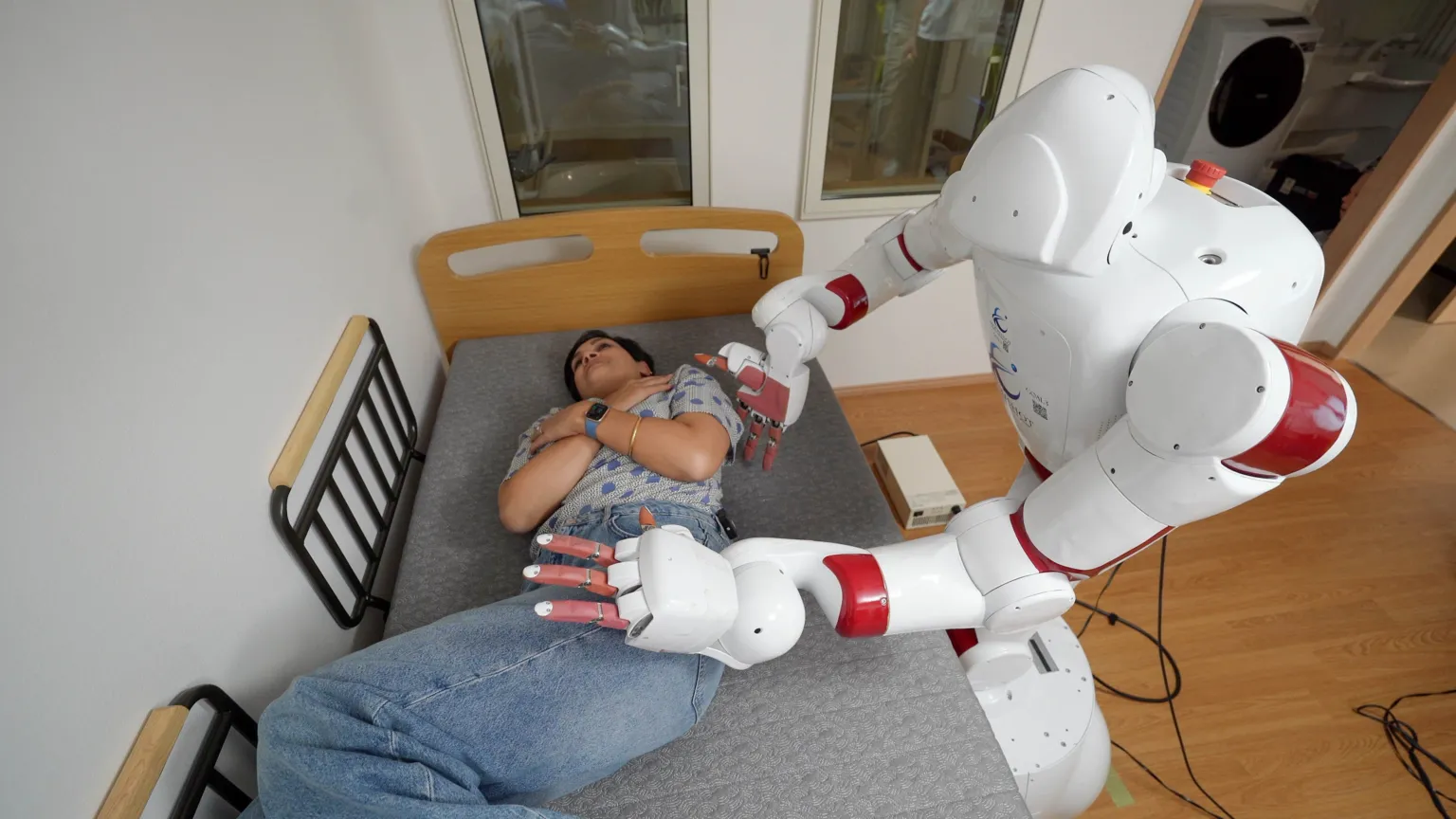
Beyond safety monitoring, Japan is exploring robots and artificial intelligence to support both patients and caregivers. Companion robots that can converse, remind users to take medication or detect signs of distress are gaining attention. Some nursing homes have introduced robotic assistants that can help lift, transfer or guide residents, reducing the physical strain on staff. AI driven platforms are being tested to predict behavioural changes, streamline care plans and provide families with real time insights into their loved ones’ well being. These innovations are not intended to replace human care but to supplement it in a country where the caregiver shortage is becoming acute.
A Future Built on Innovation and Collective Action
Despite promising advances, technology alone cannot solve Japan’s dementia crisis. Experts stress that a combination of community support, improved care infrastructure and policy reform will be essential. However, digital tools may help Japan stabilize its care system while long term solutions take shape. With cases rising and costs surging, policymakers see innovation as a critical component of a broader national response.
Japan’s willingness to adopt new technologies to confront one of its most pressing challenges may serve as a model for other ageing societies. As the country continues to test and refine these solutions, it offers a glimpse of how the intersection of technology, healthcare and social policy could shape the future of elder care worldwide.



