Business
Iran Conflict Triggers Sharp Disruption in UK Mortgage Market

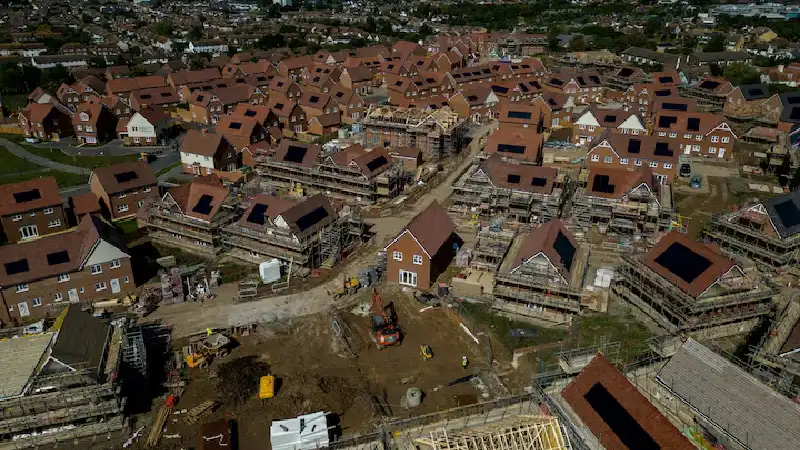
The ongoing conflict involving Iran is causing significant disruption in the UK mortgage market, pushing borrowing costs higher and reducing available lending options at a pace not seen since recent economic crises. Data shows that mortgage rates have risen sharply in just a few weeks, reflecting growing uncertainty in financial markets. The sudden shift has been driven by rising funding costs for banks, which are reacting quickly to global instability. As a result, prospective homebuyers and borrowers are facing more expensive loans and fewer choices, creating renewed pressure across the housing sector.
Since the escalation of tensions at the end of February, the average two year fixed mortgage rate has climbed from 4.83 percent to around 5.51 percent, while five year rates have also risen significantly to above 5.5 percent. These increases have come alongside a sharp rise in government bond yields, which influence lending costs across the economy. Analysts note that UK borrowing costs have jumped by roughly 90 basis points during this period, returning to levels last seen when the central bank was aggressively raising interest rates to combat inflation.
The rapid changes highlight how sensitive the mortgage market is to global events, particularly those that impact energy prices and inflation expectations. As geopolitical tensions drive oil prices higher, financial markets begin to anticipate prolonged inflation, prompting lenders to adjust pricing in advance. Banks often respond by withdrawing mortgage products from the market and repricing existing offers rather than waiting for official interest rate decisions. This proactive approach has led to a noticeable tightening in available mortgage deals within a short timeframe.
Market data shows that around 21 percent of mortgage products have been withdrawn since the conflict began, reducing options for borrowers and increasing competition for remaining deals. While this level of disruption is lower than the nearly 45 percent seen during the pandemic and the 2022 fiscal crisis, it still represents a significant contraction in lending availability. Brokers say the pace of withdrawals indicates that lenders expect interest rates to remain elevated for longer, which could further strain affordability for households already dealing with rising living costs.
Industry experts warn that the current situation could have broader implications for the housing market if conditions persist. Higher mortgage rates typically reduce demand for property purchases, while limited product availability can slow transaction volumes. This combination can weigh on house prices and reduce activity across the property sector. At the same time, existing homeowners coming off fixed rate deals may face higher monthly repayments, adding financial pressure during an already challenging economic period.
The comparison with previous crises highlights both similarities and differences in how the market is responding. During the pandemic, mortgage rates initially fell as the central bank cut interest rates to support the economy. In contrast, the current environment is characterized by rising rates driven by inflation concerns linked to global instability. The reaction is also less severe than the spike seen during the 2022 fiscal shock, but the speed of recent changes suggests that uncertainty remains a key factor influencing lender behaviour.
Financial markets continue to monitor developments closely, with investors adjusting expectations for future interest rate policy. If inflation pressures remain elevated due to sustained energy price increases, the central bank may be forced to maintain tighter monetary conditions. This would likely keep mortgage rates high and could lead to further product withdrawals. Lenders are expected to remain cautious, prioritizing risk management as they navigate a volatile environment shaped by both domestic and global factors.
For now, the UK mortgage market is undergoing a period of rapid adjustment as it absorbs the impact of geopolitical tensions. Borrowers are being advised to act quickly when securing deals, as pricing and availability can change with little notice. With uncertainty still surrounding the trajectory of the conflict and its economic consequences, the housing market is likely to remain under pressure in the near term.