Business
Iran Conflict Fears Weigh on UK Consumer Confidence as Economic Concerns Grow


British consumers are becoming increasingly worried about the economic consequences of the war involving Iran, with new data showing confidence levels slipping to their lowest point since early last year. A consumer sentiment index compiled by financial analytics firm S and P Global Market Intelligence dropped in March, reflecting rising anxiety among households about the economic outlook. The decline suggests that geopolitical tensions in the Middle East are already affecting public perception of economic stability in the United Kingdom. Economists say shifts in consumer sentiment often serve as an early indicator of broader economic changes because concerns about rising prices or uncertainty can influence spending decisions across the economy.
The survey found that British households are particularly concerned about their future financial security. Respondents expressed growing caution about making large purchases such as vehicles, home improvements or other major expenses. According to analysts, this hesitation is linked to fears that the conflict could push energy prices higher and reignite inflation pressures that have already strained household budgets over the past two years. Rising fuel and electricity costs tend to ripple across the wider economy by increasing transport and production expenses, which eventually appear in retail prices for everyday goods.
Economists say the latest data provides one of the first measurable signs that international tensions are influencing domestic economic expectations. While the United Kingdom is geographically distant from the Middle East, the global nature of energy markets means any disruption in oil supply routes can quickly impact prices worldwide. The Strait of Hormuz remains a critical shipping corridor for oil and gas, and uncertainty surrounding the conflict has already driven volatility in global energy markets. Analysts warn that if tensions continue or shipping routes become restricted, the resulting surge in fuel costs could increase inflation and place additional pressure on household finances.
Consumer attitudes also appear to be shaped by uncertainty about how long the conflict might last and what its broader consequences could be. Surveys indicate that many British residents believe the war may have lasting economic effects not only for the United Kingdom but also for the global economy. Public opinion research suggests that a large majority of respondents expect the conflict to negatively affect economic conditions in the months ahead. Many households also anticipate that their personal finances may suffer if higher energy prices lead to increased living costs or slower economic growth.
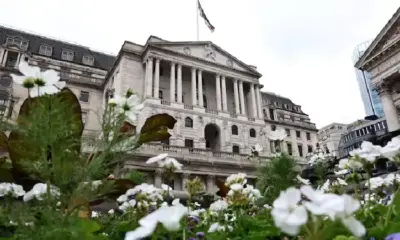
The situation is being closely monitored by the Bank of England and other financial institutions as they assess how geopolitical risks might influence economic policy. Central bank officials are already evaluating whether rising global energy prices could alter the path of interest rates. Some analysts believe that expectations of a near term interest rate cut could be delayed if inflation risks intensify. Policymakers are particularly focused on the link between energy prices and consumer spending because a slowdown in household expenditure could weaken overall economic growth.
Economists note that consumer confidence plays an important role in determining how resilient the economy will be during periods of uncertainty. When households become cautious about their financial future, they often reduce discretionary spending and increase savings, which can slow economic activity. Businesses are therefore watching consumer sentiment indicators closely because they provide early signals about potential changes in demand across retail, travel and entertainment sectors.
For now, the latest data highlights the growing influence of international events on domestic economic expectations in Britain. As global markets react to developments in the Middle East, policymakers and businesses alike are monitoring whether the initial decline in consumer confidence will deepen in the coming months or stabilize if geopolitical tensions ease.