Entertainment
Iceland becomes fifth country to boycott Eurovision

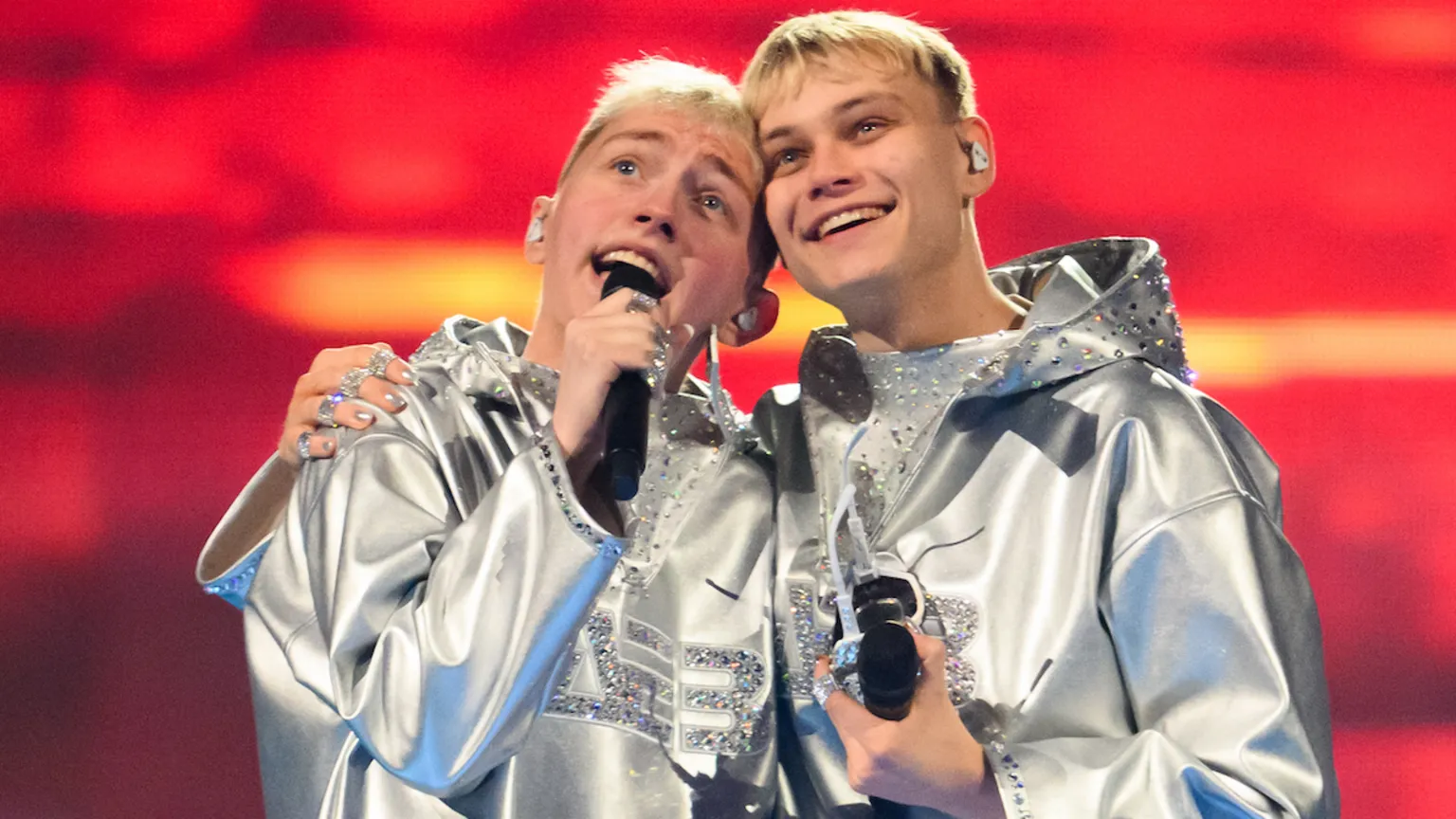
Iceland has announced that it will not take part in the 2026 Eurovision Song Contest, becoming the fifth country to withdraw following Spain, Ireland, Slovenia and the Netherlands. The decision comes after Israel’s participation in the event was officially confirmed last week, a move that has sparked intense debate across Europe. The withdrawals represent one of the most significant collective protests in Eurovision’s recent history and have raised questions about unity within the contest’s organising body.
Iceland cites lack of joy and unity in current climate
Stefan Eiriksson, director general of Iceland’s national broadcaster RÚV, said the decision was made reluctantly but firmly. According to him, the spirit of Eurovision no longer aligns with the current political climate. He explained that as long as the situation remains unchanged, participating in the competition does not feel appropriate. His statement reflected a deep sense of unease about celebrating an event built on themes of peace and cultural exchange when division continues to grow among both broadcasters and the wider public.
Concerns about disunity within the Eurovision community
RÚV emphasised that the issue is not simply a matter of political disagreement but one of cohesion within the European Broadcasting Union. The broadcaster noted that Israel’s confirmed involvement had created visible disunity among EBU members, with discussions becoming increasingly polarised. Eurovision has long marketed itself as an event that brings nations together through art and performance. The fact that multiple countries feel unable to participate suggests that the contest is facing an internal challenge to its identity and values.
Public reaction plays a significant role
Public opinion has also had a strong influence on the decisions of withdrawing countries. In Iceland, debates intensified in recent weeks, with many citizens arguing that the nation should not take part under the current circumstances. Similar conversations have taken place in other European countries where audiences expressed discomfort with the EBU’s handling of the situation. The collective withdrawal reflects a moment where national broadcasters are both responding to and representing the ethical concerns voiced by their audiences.
The EBU faces mounting pressure to respond
With five countries now pulling out, the European Broadcasting Union faces growing pressure to address the tensions surrounding the 2026 contest. While the EBU has defended its decision to keep Israel in the competition, it must now confront the broader consequences of that choice. The withdrawals raise concerns about how the organisation will maintain the contest’s credibility and unity. For many, Eurovision is more than a musical event; it is a symbol of cooperation across borders. Losing participants undermines that message and could reshape public perception of the contest for years to come.
What this means for Eurovision’s future
The 2026 contest is now at the centre of an unusual political moment, with cultural diplomacy intersecting directly with international tensions. Eurovision has weathered controversies before, but rarely has it faced a situation where multiple nations remove themselves from the programme in solidarity. Whether more countries will follow Iceland’s example remains to be seen. What is clear is that the decisions made in the coming months will shape the future direction of the competition. Broadcasters and fans alike are watching to see if the EBU can restore confidence and preserve the spirit of unity that has defined Eurovision for decades.
A moment that reflects Europe’s broader tensions
Iceland’s withdrawal is not an isolated act but part of a broader expression of concern across the continent. The reactions highlight how cultural events can become focal points for deeper political and social issues. As Europe navigates a period of heightened division, Eurovision’s challenges reflect a wider struggle to maintain cooperation and shared values. For now, Iceland and its fellow withdrawing nations believe stepping back is the most principled choice until the situation evolves.