Business
HS2 may reduce train speeds as government seeks to cut rising costs and delays

The UK government is considering lowering the operating speed of HS2 trains in an effort to control escalating costs and avoid further delays to the high speed rail project. Officials have asked project leaders to review whether reduced speeds on the London to Birmingham route could help streamline delivery. The move comes as HS2 continues to face mounting financial pressure, with total costs expected to exceed one hundred billion pounds. The proposal signals a shift in priorities, focusing more on affordability and completion timelines than achieving maximum speed targets.
Originally designed to run at speeds of up to 360 kilometres per hour, HS2 was intended to be one of the fastest conventional rail systems in the world. However, experts say achieving those speeds would require additional testing infrastructure and extended development timelines. Transport officials believe that maintaining the original speed target could delay the project by several years and significantly increase costs. By contrast, operating trains at lower speeds could allow the railway to open sooner while reducing technical complexity and financial strain.
The discussion around speed reduction also reflects broader concerns about the practicality of testing and deploying high speed trains at their maximum capacity. Current rail systems in the UK operate at much lower speeds, and testing HS2 trains at full capability would require either building dedicated test tracks or sending trains abroad for trials. Both options would add considerable expense and logistical challenges. As a result, policymakers are evaluating whether a more gradual approach to speed implementation would better align with budget constraints and delivery goals.
Transport Secretary Heidi Alexander has stated that the government is examining all available options to improve efficiency and ensure the project remains viable. The HS2 leadership team has been working on a revised plan to reset expectations around timelines and costs, though key announcements have been delayed. Officials are also reviewing decisions made under previous administrations, which have been criticized for contributing to the project’s current challenges. The aim is to establish a more realistic framework that balances ambition with financial responsibility.
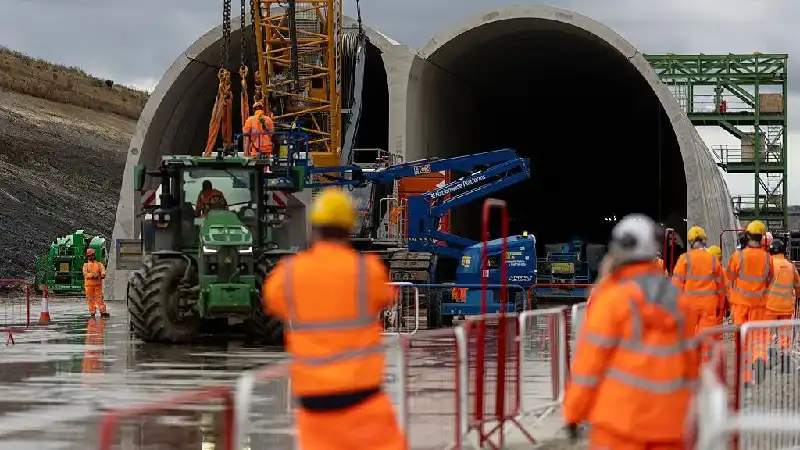
Despite progress on major infrastructure components such as tunnels and bridges, the railway remains years away from completion. Earlier plans to extend the network beyond Birmingham to cities in the north were scaled back, further highlighting the project’s evolving scope. Under current proposals, trains would continue beyond Birmingham using existing rail lines but at reduced speeds, limiting the overall impact of the original high speed vision. This adjustment reflects ongoing efforts to adapt the project to current economic and political realities.
The debate over HS2’s future has become a focal point in discussions about national infrastructure investment, with critics questioning its value while supporters argue for its long term benefits. Reducing train speeds may represent a compromise aimed at preserving the core project while addressing financial concerns. As the government prepares to outline its next steps, the focus remains on delivering a workable railway that meets both budgetary constraints and transport needs across the country.