Politics
High Court Rules UK Terrorism Ban on Palestine Action Unlawful as Government Moves to Appeal

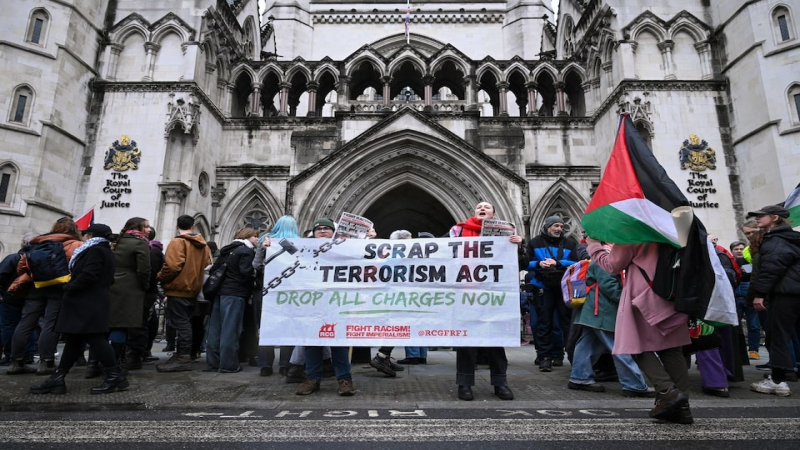
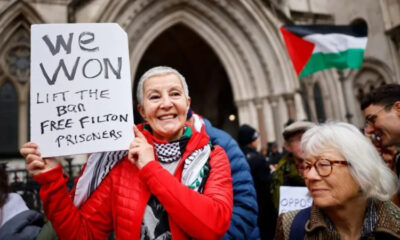
Britain’s High Court has ruled that the government’s decision to designate the pro Palestinian campaign group Palestine Action as a terrorist organisation was unlawful, marking a significant development in the legal battle over the group’s status. The ruling, delivered in London, found that the ban had improperly curtailed lawful political expression, though the designation will remain temporarily in force pending an appeal.
Palestine Action was formally proscribed in July 2024 under terrorism legislation after a series of escalating direct action protests. The group has targeted defence companies in the United Kingdom that it says are linked to Israel, often staging sit ins, blocking entrances to facilities and covering buildings with red paint to symbolise bloodshed in Gaza. The government argued that such actions crossed the line from protest into serious criminal disruption and justified classification under counter terrorism laws.
In its judgment, the High Court concluded that the decision to ban the group was not legally sound, raising concerns about the proportionality of applying terrorism legislation to a protest movement. The court emphasised the importance of protecting freedom of expression and assembly in a democratic society, even where activism is controversial or disruptive. The ruling follows recent not guilty verdicts in a related criminal trial involving individuals connected to the group’s activities.
Despite the setback, the government said it would move swiftly to challenge the decision. A spokesperson confirmed that ministers believe the proscription was necessary to protect public safety and prevent further damage to property and critical infrastructure. Officials have argued that the group’s tactics posed risks to workers and businesses and went beyond legitimate protest.
The temporary continuation of the ban means that membership of or support for Palestine Action remains a criminal offence while the appeal process is under way. Legal experts say the case could have wider implications for how protest movements are treated under UK terrorism laws, particularly where activism involves criminal damage but is rooted in political campaigning.
Civil liberties organisations have welcomed the High Court’s decision, stating that counter terrorism powers must not be stretched to silence dissent. They argue that while criminal acts should be prosecuted under existing laws, branding a protest group as a terrorist organisation carries severe consequences and can deter lawful political participation.
The case comes amid heightened political sensitivity around protests related to the Israel Gaza conflict. Demonstrations across the UK have drawn large crowds, prompting increased policing and debate about the balance between security and civil rights. Ministers have maintained that public order and national security remain paramount, particularly where protests target sensitive industries.
The government’s appeal is expected to proceed swiftly, with further hearings likely in the coming months. Until then, the legal status of Palestine Action will remain uncertain, leaving campaigners, businesses and law enforcement navigating a complex and evolving situation.