News
High Court Rules Palestine Action Ban Unlawful but Group Remains Proscribed Pending Appeal

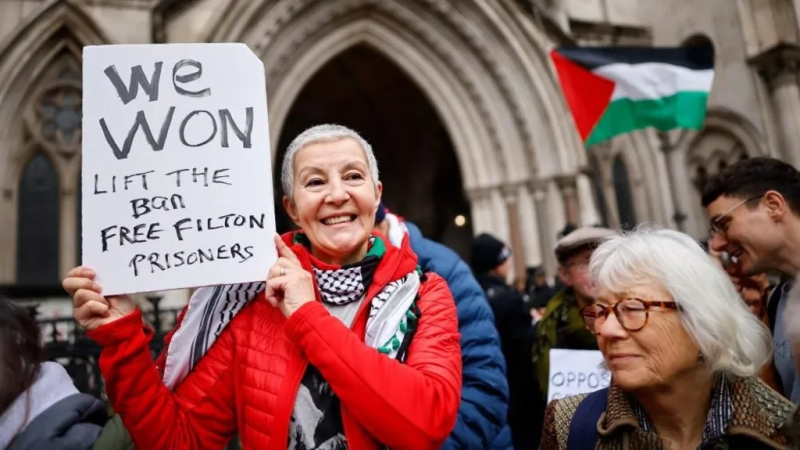
The High Court has ruled that the government’s decision to ban Palestine Action under anti terrorism legislation was unlawful, delivering a significant setback to the Home Office. However, the group remains proscribed for now while further legal arguments are considered and the government prepares an appeal.
In a detailed judgment, three senior judges said that although Palestine Action had used criminal acts to promote its aims, its activities had not crossed the very high legal threshold required to classify it as a terrorist organisation. The court found that the former home secretary had failed to properly consider the impact of the ban on the rights of others to protest.
Home Secretary Shabana Mahmood said she was disappointed by the ruling and confirmed the government would appeal. She stated that the original proscription followed a rigorous and evidence based decision making process that had been endorsed by Parliament.
Despite the court’s decision, membership of or support for Palestine Action remains a criminal offence while the appeal process is under way. The Metropolitan Police said it would not arrest people solely for expressing support until proceedings are fully concluded, but stressed that the ban is still legally in force and officers will continue gathering evidence of any potential offences.
Palestine Action co founder Huda Ammori described the judgment as a major victory for free speech and protest rights. She argued that the ban had led to the arrest of thousands of people at demonstrations since it came into effect last July. More than 2,000 arrests have been made, with around 170 individuals charged with allegedly showing support for the group, an offence that can carry up to six months in prison.
The court said that when the previous home secretary decided to proscribe the organisation, she had not fully followed her own policy guidance on the legal test required under the Terrorism Act. While a small number of the group’s activities may have met the definition of terrorism, the judges indicated that standard criminal law could address such conduct without resorting to proscription.
Prior to the ban, Palestine Action activists had carried out direct action against arms companies linked to Israel, often involving break ins and criminal damage. Terrorism legislation allows ministers to ban organisations that cause serious damage to property to advance their cause, but the judges concluded that the threshold had not been met overall.
The ruling also noted concerns that proscription can have a chilling effect on lawful expression. The judges referred to evidence that individuals might avoid speaking publicly or hosting events involving former members out of fear of breaching terrorism laws.
Political reaction has been divided. Opposition figures from the Conservative Party welcomed the government’s decision to appeal, arguing that organised political violence should not be tolerated. Liberal Democrat and Green representatives, meanwhile, said the ruling highlighted the risks of stretching terrorism legislation in ways that could undermine civil liberties. Jewish community organisations expressed deep concern at the outcome and supported the government’s plan to challenge it.
The case now moves into a new legal phase, with the status of Palestine Action likely to remain contentious until the appeal is resolved.