News
High Court Rejects Legal Challenge to Met Police Freemasons Disclosure Policy

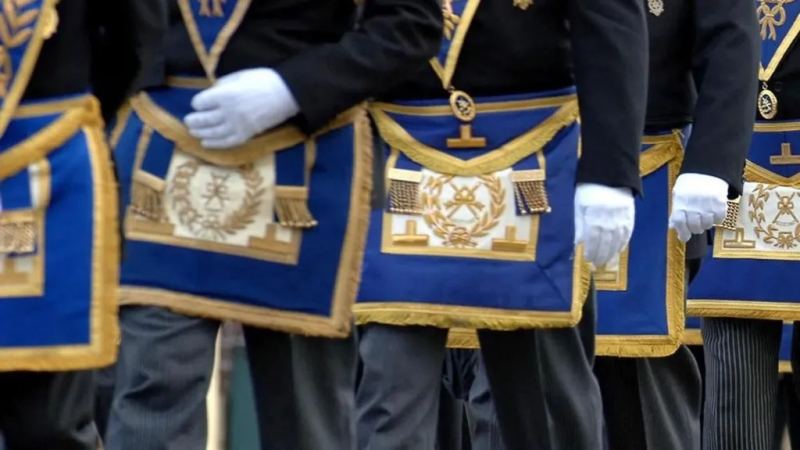
A High Court judge has dismissed a legal challenge brought by Freemasons seeking to overturn a Metropolitan Police policy requiring officers and staff to declare membership of certain organisations, including the Freemasons.
The ruling means Scotland Yard can continue enforcing its requirement that personnel disclose internally if they belong to an organisation with confidential membership, hierarchical structures and obligations of mutual support. The policy was introduced in December and immediately applied to Freemasonry.
Three Freemason bodies, alongside two serving police officers who are members of the organisation, had argued that the rule breached human rights and equality laws. They claimed it interfered with rights to privacy, freedom of expression and freedom of assembly, and amounted to discrimination under the Equality Act. They also raised concerns about data protection and the legality of compelling such disclosures under police regulations.
In a written judgment, Mr Justice Chamberlain rejected the claims, stating that none were reasonably arguable. He found the policy to be lawful and proportionate, concluding that it was a legitimate measure aimed at maintaining and enhancing public trust in policing.
The Metropolitan Police told the court the requirement was introduced to address long standing concerns about transparency and potential conflicts of interest. Senior officers argued that undisclosed membership of organisations such as the Freemasons could give rise to perceived or actual bias, particularly where two officers share membership or where an officer interacts with a member of the public linked to the same group.
Commander Simon Messinger said in evidence that disclosure could be relevant in criminal or misconduct investigations and in decisions about postings. Without knowledge of membership, he argued, the force would be unable to assess or mitigate risks to impartiality.
The declarations are not made public and are held internally by the force. Since the policy was introduced, hundreds of officers and staff have submitted disclosures, most of them relating to Freemasonry.
Freemason representatives said they were disappointed by the ruling but acknowledged assurances that access to the membership list would be restricted to a small number of authorised personnel. They maintained that the requirement could stigmatise members and does not contribute to improving public confidence.
The court’s decision brings an end to the challenge before it reached a full hearing. The judge noted that even if the policy engaged human rights considerations, it would still be justified given the force’s objective of safeguarding trust, transparency and integrity within the police service.