News
High Court Hears Arguments Over Quran Burning Conviction Appeal

The High Court has heard arguments over whether burning a Quran in central London amounted to disorderly behaviour, as prosecutors seek to reinstate the conviction of a man whose earlier ruling was overturned.
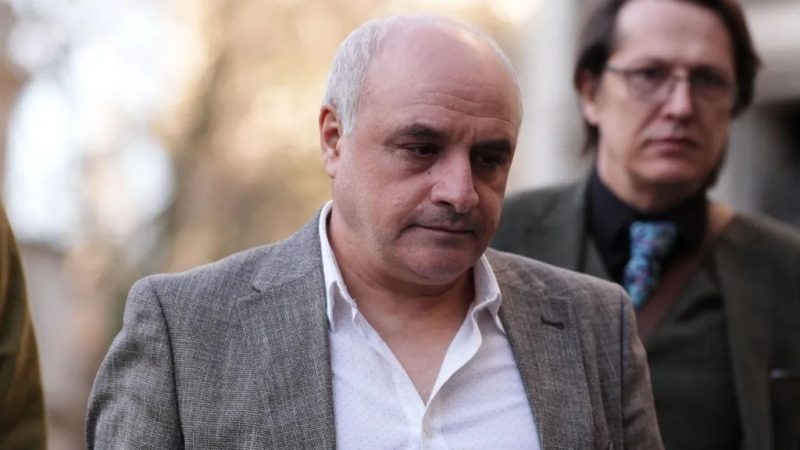
Hamit Coskun, 51, was originally convicted in June 2025 of a religiously aggravated public order offence after setting fire to a copy of the Islamic holy book outside the Turkish consulate in Rutland Gardens on 13 February 2025. During the incident, he also shouted statements critical of Islam.
His conviction was later overturned at Southwark Crown Court in October by Mr Justice Bennathan, who found that his actions did not meet the legal threshold for disorderly behaviour under the Public Order Act. The Crown Prosecution Service is now challenging that decision, arguing the judge erred in law.
At a hearing before Lord Justice Warby and Ms Justice Obi, counsel for the CPS argued that the act of burning a book in a busy part of London was inherently disorderly, particularly when the text in question was regarded as sacred by a religious community. Prosecutors contend that the behaviour crossed the line from protected expression into criminal conduct and should have been upheld as an offence motivated by hostility towards followers of Islam.
Coskun, who describes himself as an atheist, has resisted the appeal. He maintains that his actions constituted a form of protest and were protected under the right to freedom of expression. The case centres on whether his conduct was likely to cause harassment, alarm or distress within the meaning of section five of the Public Order Act 1986, combined with the provisions of the Crime and Disorder Act 1998 relating to religious aggravation.
During the demonstration, a man reportedly emerged from a nearby building and attacked Coskun with a knife, later telling police he was acting to defend his religion. The attacker received a suspended sentence in September. Prosecutors told the High Court that the violent response had been effectively provoked by Coskun’s conduct, though the defence disputes that characterisation.
Following the incident, Coskun was provided with accommodation by the Home Office after threats were made against him. The case has attracted attention due to the tension between public order law and the protection of free speech, particularly in cases involving religious symbols and texts.
The High Court has been asked to send the matter back to the crown court for reconsideration if it finds the earlier appeal decision was flawed. A written judgment is expected at a later date.