Politics
Grooming Gangs Inquiry Must ‘Leave No Stone Unturned’, Says Kemi Badenoch

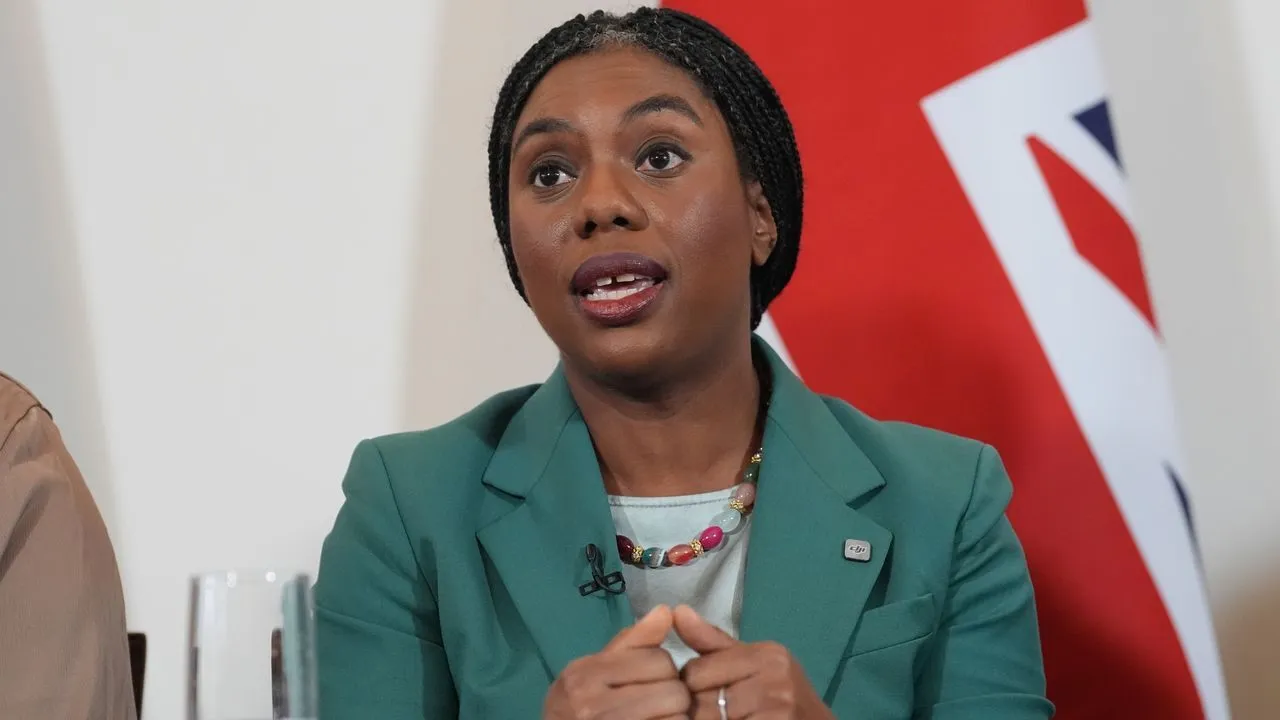
Senior Conservative figures are urging the government to adopt tougher and clearer terms for the forthcoming nationwide grooming gangs inquiry, insisting that it must be thorough, transparent and unafraid to address sensitive issues. Kemi Badenoch, speaking alongside shadow home secretary Chris Philp, called for an approach that “leaves no stone unturned” after repeated delays have raised concerns among survivors and campaigners. The Conservatives have now published their own draft terms of reference, created with input from victims, survivors and their families, and are pressuring ministers to use them as the basis for the official investigation.
Focus on Ethnicity, Religion and Difficult Truths
One of the key demands from Badenoch and Philp is that the inquiry explicitly considers the ethnicity and religious backgrounds of the perpetrators involved in grooming gangs. They argue that previous government reviews and local authority responses have sometimes avoided these factors due to political discomfort, ultimately compromising public trust. Badenoch stressed that protecting vulnerable children must take priority over institutional hesitancy. By calling for full transparency, she hopes to ensure that no aspect of the crimes, the failures that enabled them or the cultural contexts surrounding them are ignored.
The Conservatives also emphasised that survivors must have a central role in shaping the inquiry. Speaking at the event were a survivor and two parents of victims, who expressed frustration at past delays and shortcomings. Their testimonies reinforced the need for an inquiry that confronts uncomfortable realities rather than offering superficial reassurances. According to Badenoch, failing to address all relevant factors risks repeating past mistakes and leaves communities without the answers they deserve.
Rebuilding Trust After Delays and Public Frustration
The grooming gangs inquiry has faced multiple procedural delays, leading to mounting impatience among survivors and the wider public. Critics argue that the stalled process has undermined confidence in the government’s commitment to tackling exploitation and institutional failure. The Conservatives’ intervention appears aimed at restoring momentum and ensuring the inquiry is not diluted by political caution.
Philp described the proposed terms of reference as robust, survivor centred and designed to examine every level of responsibility. These include examining how police, social services and local councils responded to early warnings, how victims were treated when they came forward and whether systemic biases or cultural sensitivities prevented timely action. Philp noted that only a fully independent and comprehensive inquiry can provide the truth families have waited years to hear.
A National Call for Accountability
The issue of grooming gangs has long been a source of public anger and political debate in the UK, with previous investigations highlighting widespread institutional failures. Badenoch’s comments reflect a broader demand that lessons from past cases in towns such as Rotherham, Rochdale and Telford must inform future policy without political fear or avoidance.
The Conservatives’ move places pressure on the government to act decisively and adopt a model that prioritises honesty, accountability and survivor involvement. As the inquiry preparation continues, campaigners hope this renewed push signals a turning point. Badenoch concluded that only by confronting all aspects of these crimes can the country prevent similar failures and finally deliver justice for victims.