Politics
Grave security concerns raised over plan to limit jury trials in England

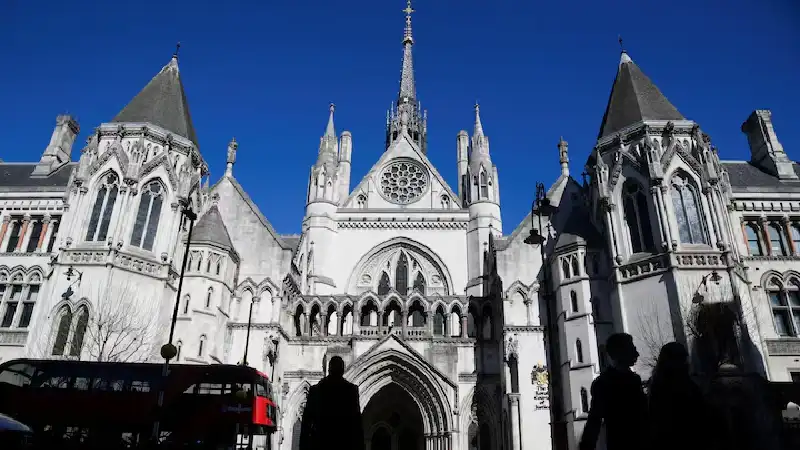
The head of the judiciary in England and Wales has raised serious concerns about proposed changes to the criminal justice system that would allow judges to decide certain cases without a jury. The proposal is part of a wider effort by the government to reduce a growing backlog in courts, where thousands of cases remain unresolved. While ministers argue the move could accelerate justice for victims, senior judicial figures warn it may create unintended risks, particularly around the safety and visibility of judges handling sensitive cases.
Under the proposed reforms, judges would take full responsibility for determining guilt in a range of less serious criminal cases. The plan is designed to address mounting delays, with some trials not expected to be heard until the end of the decade. Officials say the current system is struggling under pressure, with tens of thousands of pending cases and a record number of defendants being held on remand. By reducing reliance on juries, the government hopes to streamline proceedings and deliver quicker outcomes for victims and defendants alike.
However, the Lady Chief Justice has made clear that the shift raises important concerns about judicial security. She explained that if judges are tasked with deciding guilt alone, they may become more visible and vulnerable to individuals involved in cases. Since many hearings take place in the same court buildings, the identities and locations of judges could become easier to track. While incidents involving direct threats to judges are rare, recent events have highlighted that risks do exist and may increase if judicial roles expand under the new system.
She emphasized that the issue is not about judges being influenced or intimidated in their decisions, but rather about the physical and personal risks that may arise. According to her, proper planning and investment will be essential if such reforms are implemented. She has urged policymakers to ensure that additional resources are allocated to strengthen court security and protect those responsible for delivering justice. Authorities have indicated that these concerns have been acknowledged and that safeguards are expected to be part of the final framework.
The proposed legislation is currently progressing through parliament and has already sparked debate across political and legal circles. Critics argue that the root cause of court delays lies in years of underfunding, staff shortages and deteriorating infrastructure rather than the jury system itself. Some lawmakers have expressed concern that removing juries from certain trials could undermine a longstanding principle of the British legal system, where citizens play a direct role in determining guilt or innocence.
At the same time, public discourse around the justice system has become increasingly tense. Some political voices have questioned whether the system treats all groups equally, while others defend the independence and integrity of the courts. The Lady Chief Justice noted that criticism directed at judges has intensified, particularly online, where abuse has taken on a more aggressive and sometimes discriminatory tone. Despite this, she maintained that overall confidence in the judiciary remains intact and that judges continue to uphold high standards in their work.
The government continues to defend the proposed reforms as necessary to restore efficiency and trust in the justice process. Supporters argue that victims deserve timely resolutions and that prolonged delays can weaken confidence in the legal system. As discussions continue in parliament, the balance between efficiency, fairness and judicial safety remains at the centre of the debate, with final decisions expected to shape how justice is delivered in England and Wales in the years ahead.