Sports
Grand National 2026: I Am Maximus leads entries
Grand National 2026 entry list analysis as I Am Maximus tops the Aintree field, with Nick Rockett among key challengers and expert strategy notes.

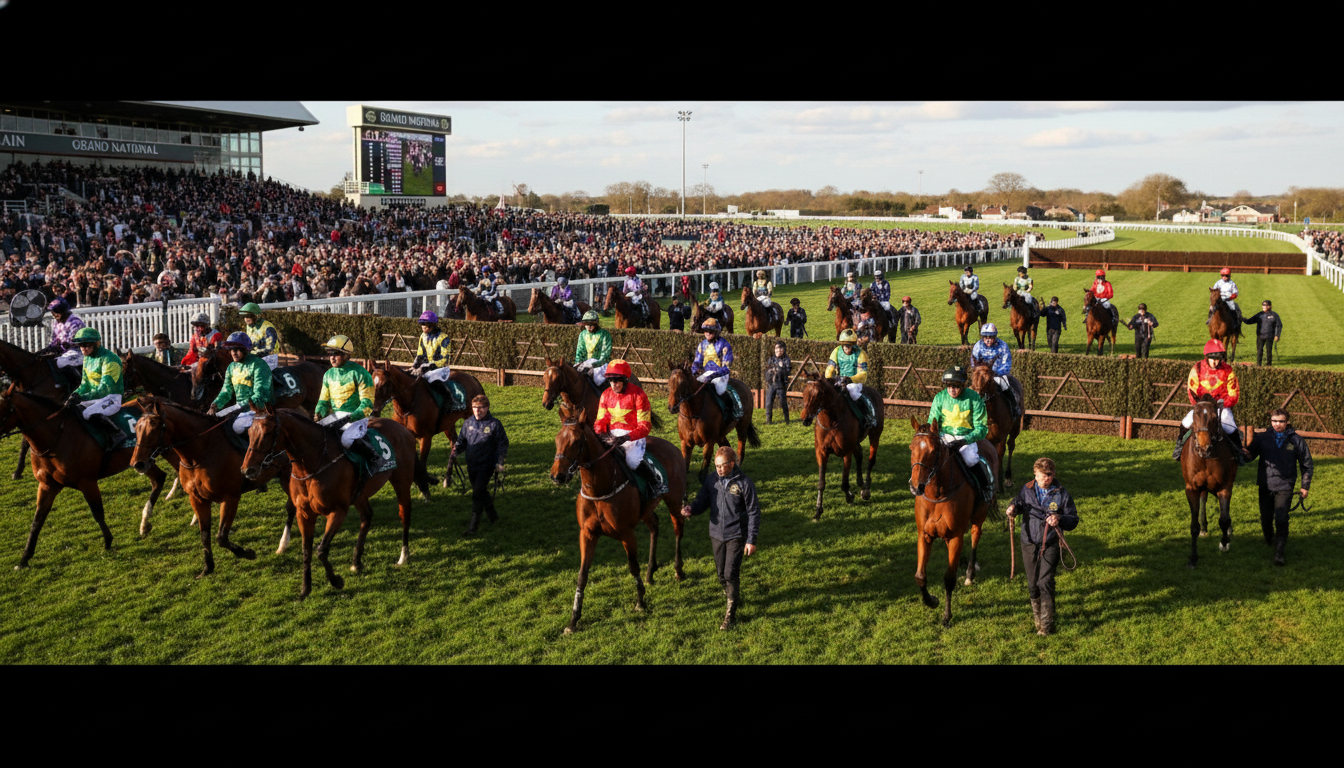
Race Day Buzz: What’s Happening at Aintree
Grand National 2026 is already taking shape as the first meaningful entry signals arrive, with I Am Maximus positioned at the head of a field that immediately frames the conversation for Aintree Racecourse. Today, the talk around yards and trading rooms is less about romance and more about what the early list says on weights, likely targets and the sort of profile that can cope with the unique tempo at Aintree. Live market movement has begun to reflect that hierarchy, while an early Update from racing desks has focused on how connections will protect plans through spring. The immediate buzz is practical, who gets a clear run, who stays sound, and who has the jumping record to make this list count on the day.
Top Contenders: I Am Maximus and Nick Rockett
The billing at the top is straightforward, I Am Maximus carries the status that forces every rival to measure up, while Nick Rockett sits in the bracket of challengers that can shorten quickly once trial results land. Trainers and agents treat this phase as a test of intent, staying in the mix without giving away too much, then tightening the schedule when conditions align. A useful comparison point comes from how other sports react to momentum, as seen in a market cycle case study on sudden confidence shifts, because betting sentiment can swing on one run and still be grounded in form. Today, a Live view of the entries suggests depth rather than a two horse duel, and the next Update will hinge on confirmed prep routes.
Strategies and Chances: Expert Opinions
Opinion among analysts has centred on tactics rather than hype, because the National rarely rewards a one pace plan. For I Am Maximus the key discussion is whether to keep him in a rhythm near the leaders without burning fuel early, while for Nick Rockett it is about delivering a clean, economical round that keeps stamina in reserve. The clearest consensus is that jumping efficiency under pressure remains the single most bankable edge, especially after the field compresses through the second circuit. A recent report on BBC Sport horse racing coverage has underlined how modern Nationals are often won by horses that travel strongly and make fewer corrections at speed. Live sectional reviews and the next Update from trial meetings will help quantify which contenders can sustain that pattern.
Past Winners and Their Grand National Journey
What past winners tend to share is not a single blueprint but a sequence of decisions made well, when to run, when to dodge testing ground, and how to arrive with confidence without leaving the race behind on the track. The strongest recent examples show campaigns designed to prove one thing at a time, stamina in one start, jumping fluency in another, then a final tune up that protects freshness. That is why the conversation around Grand National contenders often echoes broader performance management themes seen across UK sport, even outside racing. In London, the focus on preparation and risk is familiar, and links to the way major events are policed and managed, as explored in reporting on specialist operations. Today, lessons from winners remain relevant because an Update in conditions can change the value of experience quickly.
What to Expect for the Future of Horse Racing
The near term outlook around Aintree Racecourse is shaped by tighter welfare standards, closer scrutiny of running plans and a betting market that is faster to react but also quicker to penalise uncertainty. That does not diminish the National, it changes how teams manage information and how punters interpret it. Expect more emphasis on transparent fitness signals, fewer last minute surprises and a steadier build of confidence through recognised trials. In the wider UK sporting calendar, the same theme shows up in how weather and logistics affect big weekends, and readers tracking event readiness will recognise similar patterns in coverage of temperature swings affecting outdoor plans. Live data, from ground reports to timing, will increasingly guide decisions, and the next Update will likely come from declarations rather than rumour.