Latest News
Government Considers Expanding Oversight of Tower Hamlets Council

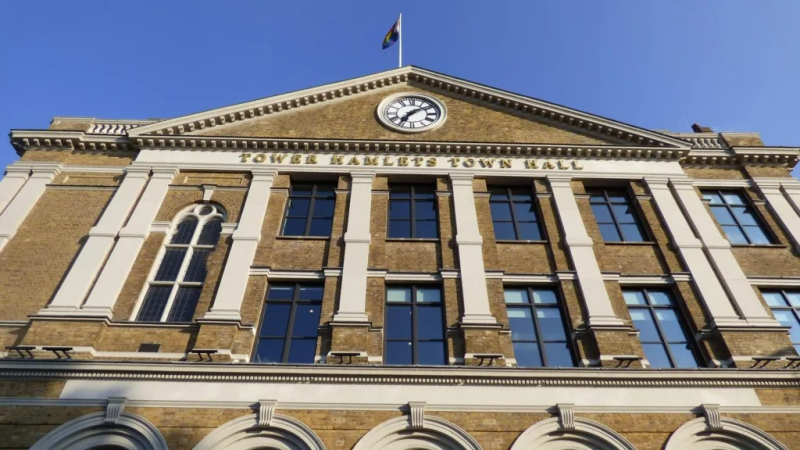
The government is considering strengthening its oversight of Tower Hamlets Council following continued concerns over transparency and governance at the east London authority. The local government secretary, Steve Reed, said further intervention powers could be granted to officials already embedded at the council, allowing closer supervision of governance, financial management and recruitment practices. The move follows criticism that the council has struggled to assess the seriousness of its position despite earlier warnings. Three ministerial envoys were sent to Tower Hamlets Town Hall in January 2025 after an inspection raised doubts about the authority’s openness to scrutiny and constructive challenge. While early engagement with the envoys has been described as positive, ministers remain concerned that deeper structural issues persist within the council’s leadership and internal controls.
Tower Hamlets Council has been under the control of the Aspire Party since 2022, led by former mayor Lutfur Rahman. Rahman was removed from office in 2015 after being found guilty of electoral misconduct and banned from standing for election for five years. Recent assessments have highlighted weaknesses in how the council operates, including findings by external auditors Ernst & Young, which identified multiple significant issues in December. These included concerns around internal controls designed to protect public money and the council’s ability to evaluate its own performance realistically. Planned reviews by government envoys are expected to focus on planning and licensing decisions, the management of community assets, grant allocations and recruitment practices within the authority.
Despite the criticism, Tower Hamlets Council has said it welcomes the government’s statement and views it as an opportunity to support further improvement. Council representatives have pointed to what they describe as early progress and constructive cooperation with the ministerial envoys already in place. A separate review by the Local Government Association found evidence of strong financial management but noted that the council appeared overly optimistic about the scale of its own progress. The government has invited formal responses from the council and other interested parties before a final decision is made on whether to expand intervention powers. Ministers are expected to weigh the feedback carefully before determining the next steps in the oversight process.