Business
FTSE 100 Rises as Mining Rally Counters Bank Losses Amid Political Unease

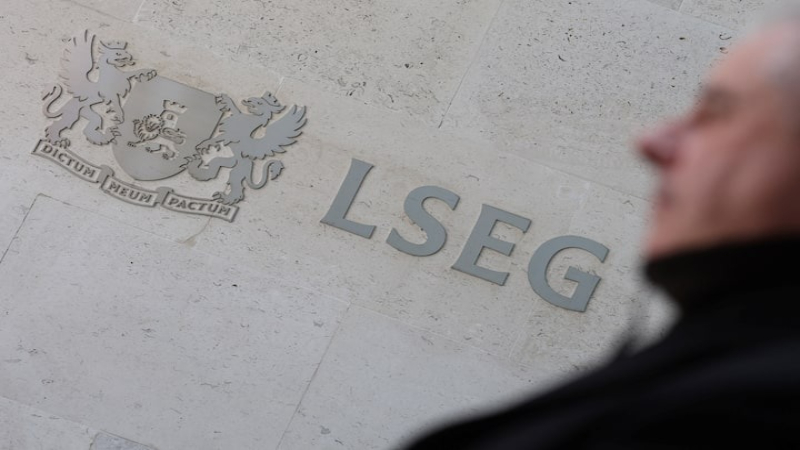
London’s stock market ended the session modestly higher as strong gains in mining shares helped offset losses in the banking sector, while investors continued to weigh political uncertainty and its potential impact on the broader economy. The FTSE 100 edged closer to recent record levels, supported by a surge in metals prices that lifted heavyweight resource stocks.
Precious metals miners were among the top performers, buoyed by a sharp rise in gold prices, which climbed above the psychologically important 5000 dollar per ounce mark. Strength in copper and other industrial metals also added momentum, reflecting optimism around global demand and a softer dollar. These moves pushed mining shares higher across the board, providing crucial support to the blue chip index.
The FTSE 250 midcap index outperformed its larger counterpart, posting a stronger gain as investors selectively rotated into domestically focused stocks. However, overall advances were capped as markets remained cautious about the political backdrop in the UK and its potential implications for fiscal policy, interest rates, and investor confidence.
Political developments continued to draw attention after renewed pressure on Prime Minister Keir Starmer following the resignation of his chief of staff. Investors are increasingly sensitive to signs of instability, particularly with local elections approaching and polls indicating weak public support for the government. Recent moves in longer dated government bond yields suggest markets are factoring in the possibility of leadership changes and shifts in economic direction.
Despite the positive tone in commodities, the banking sector weighed on the main index. NatWest shares fell sharply after the lender agreed to acquire wealth manager Evelyn Partners in a deal valued at several billion pounds, including debt. While the acquisition is aimed at strengthening NatWest’s presence in wealth management, investors reacted cautiously, focusing on the cost of the deal and its impact on capital and near term returns.
Consumer stocks also saw pressure, with shares in a major bakery chain slipping after analysts warned that the growing use of weight loss drugs could curb demand. The note added to existing concerns about consumer behaviour and spending patterns at a time when households remain sensitive to price pressures and borrowing costs.
Global sentiment was steadier, with Wall Street recovering some ground after last week’s sell off linked to concerns over artificial intelligence disrupting traditional software and data driven business models. That improvement provided a supportive backdrop for European equities, even as local factors dominated trading in London.
Looking ahead, investors are focused on a busy week of UK economic data, including retail sales and gross domestic product figures, which could offer further clues on the path of monetary policy. With the central bank signalling that rates could fall if inflation continues to ease, markets remain finely balanced between optimism over lower borrowing costs and caution driven by political uncertainty.