Business
FTSE 100 Ends Higher as Bank Stocks Lift Market Despite Tech Sector Pressure

London’s stock market closed higher at the end of the week, with gains in major banking stocks helping the FTSE 100 overcome renewed weakness in parts of the technology and data services sector. The benchmark index finished Friday up 0.6 percent, securing its second consecutive weekly gain after a volatile few sessions shaped by global tech concerns and political uncertainty.
Support for the market came largely from heavyweight financial stocks, which make up a significant portion of the FTSE 100. Shares in lenders including Barclays, Lloyds and NatWest advanced between around one and three percent, reflecting improved sentiment around the interest rate outlook in the UK. Investors responded positively after the Bank of England indicated that interest rates could begin to fall later this year if the recent slowdown in inflation continues.
In contrast, the more domestically focused FTSE 250 index rose 0.5 percent on the day but still recorded a second straight weekly decline, underlining the uneven nature of the current market recovery. Mid sized companies remain more exposed to economic headwinds at home, including weaker consumer demand and lingering cost pressures.
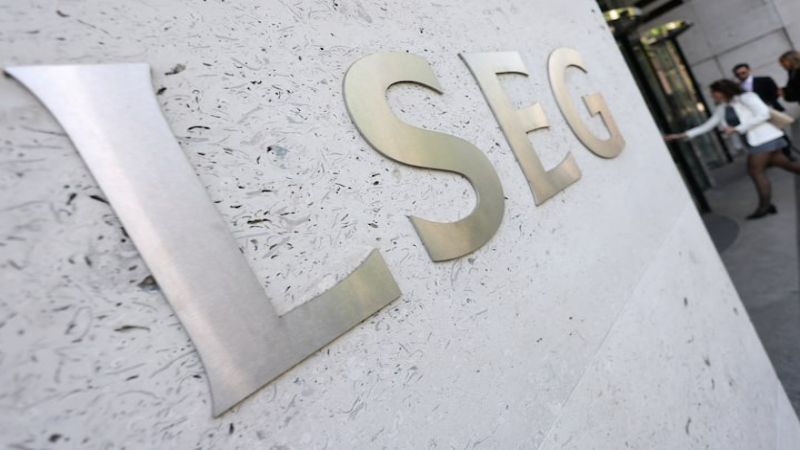
One of the main drags on the blue chip index was business information and analytics firm RELX, which slid nearly four percent. The stock has now fallen for four consecutive weeks as investor concerns persist around how artificial intelligence could disrupt traditional data and publishing models. Shares in London Stock Exchange Group also edged lower, marking a third week of declines for the market infrastructure provider.
Global factors also weighed on sentiment. In the United States, investors digested earnings from Amazon, whose outlook included a sharp increase in capital spending this year. The announcement unsettled markets and sent the tech giant’s shares sharply lower, contributing to broader caution around technology stocks worldwide.
Elsewhere, mining stocks provided a boost to London markets, with precious metals producer Fresnillo among the top gainers. Rising geopolitical tensions between the United States and Iran helped support commodity prices, benefiting miners listed in the UK.
Political uncertainty at home remained an undercurrent in markets. Questions around Prime Minister Keir Starmer’s leadership intensified following revelations about historical links between senior political figures and the late financier Jeffrey Epstein. A leading political risk consultancy warned that the controversy could destabilise the government, adding another layer of risk for investors already navigating a fragile economic environment.
On the domestic economic front, there were signs of resilience in the housing market. Data from mortgage lender Halifax showed UK house prices rose in January by the most in over a year, suggesting tentative momentum after a prolonged slowdown driven by higher borrowing costs.
Among individual movers, Greek energy and metals group Metlen suffered a sharp fall after warning that its 2025 earnings would be significantly lower than expected. Meanwhile, fashion retailer Next edged higher after announcing the purchase of British footwear brand Russell and Bromley through an insolvency process.
As the week closed, investors appeared cautiously optimistic, balancing hopes of lower interest rates against global uncertainty and sector specific challenges.