Entertainment
Former Google executive Matt Brittin appointed BBC chief to lead major overhaul

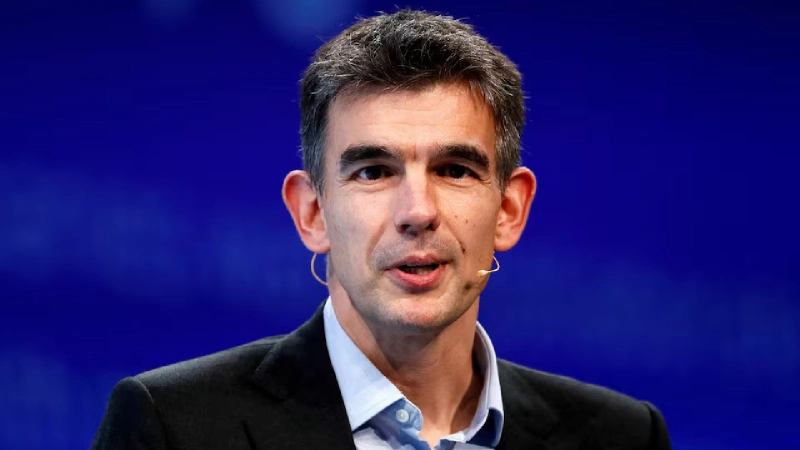
The BBC has appointed former Google executive Matt Brittin as its new director general, tasking him with leading a significant transformation of the broadcaster at a time of mounting challenges and scrutiny. Brittin will take over the role in May, stepping into a position that combines executive leadership with editorial responsibility. His appointment follows the departure of the previous chief and comes as the organisation faces growing pressure to modernise, adapt to changing viewer habits, and defend its role in a rapidly evolving media landscape.
Brittin brings extensive experience from the technology sector, having spent years in senior roles at Google, including leading operations across Europe, the Middle East, and Africa. BBC leadership said his background in digital transformation and large scale operations makes him well suited to guide the organisation through its next phase. The broadcaster is currently navigating a complex environment marked by declining traditional viewership, increased competition from streaming platforms, and shifting audience expectations, particularly among younger viewers who consume content differently from previous generations.
The new chief is expected to focus on accelerating the BBC’s digital strategy while preserving its core mission as a public service broadcaster. The organisation is under pressure to remain relevant as global streaming platforms expand their reach and reshape how audiences access news and entertainment. Brittin’s experience in technology and digital ecosystems is seen as a key asset in addressing these challenges. At the same time, the BBC must balance innovation with maintaining trust and credibility, which have long been central to its identity.
Brittin acknowledged the scale of the task ahead, describing the moment as one of both risk and opportunity for the broadcaster. He emphasized the need to align content delivery with audience behavior while building on the BBC’s established strengths in journalism and creative output. Leadership has indicated that he will appoint a deputy to support editorial responsibilities, given his background outside traditional newsroom environments. This move is intended to ensure strong editorial oversight while enabling strategic transformation at the organisational level.
The BBC is also dealing with heightened political and legal pressures, including a high profile lawsuit related to allegations of defamation. The case has added to broader debates about the broadcaster’s impartiality and accountability, issues that have attracted criticism from across the political spectrum. At the same time, the organisation is preparing for negotiations over its future funding model, with its current charter set to expire in the coming years. Options under discussion include maintaining the licence fee or exploring alternative revenue structures.
These challenges come amid wider shifts in the global media industry, where traditional broadcasters are competing with digital first platforms for attention and advertising revenue. The BBC’s leadership transition is viewed as a critical moment that could shape its long term direction. Analysts suggest that success will depend on the organisation’s ability to innovate while maintaining its public service mandate and editorial independence, particularly in a climate of increasing scrutiny.
As Brittin prepares to assume the role, expectations are high that he will deliver meaningful reform and reposition the BBC for future growth. The coming months are likely to focus on strategic planning, internal restructuring, and engagement with stakeholders across government and the media sector. With audience habits continuing to evolve and competition intensifying, the broadcaster’s next chapter will be closely watched both in the UK and internationally.