News
Fifa preparing to introduce VAR checks for corner kicks at 2026 World Cup despite domestic resistance

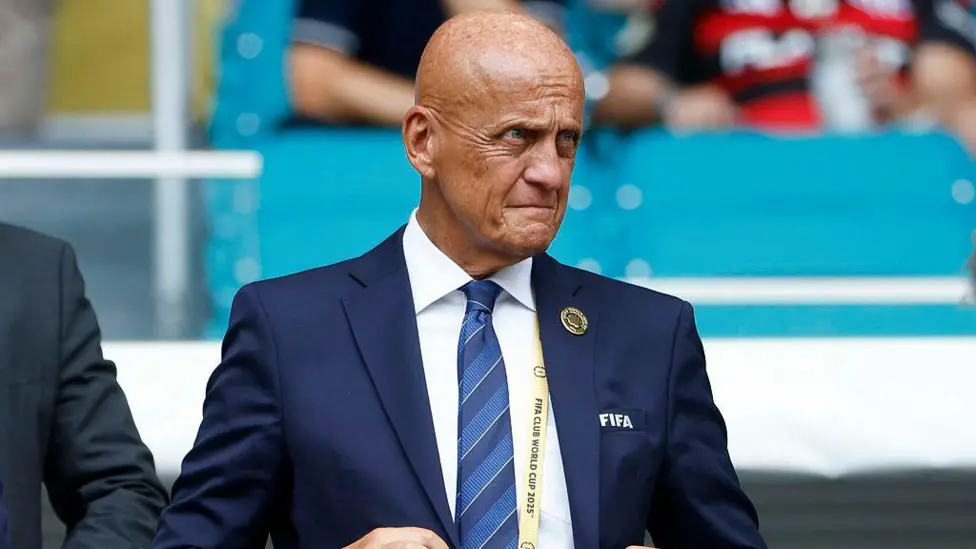
FIFA is moving forward with plans to use video assistant referee checks for corner kick decisions at the 2026 World Cup, even though domestic football leagues have not supported the idea for wider adoption. The concept, which would expand VAR’s remit beyond its current scope, is expected to be among the most notable officiating changes at the tournament in the United States, Mexico, and Canada.
The International Football Association Board, the body responsible for the laws of the game, met in October to discuss several proposed updates. During that meeting, members agreed that VAR could be used to review incidents where a second yellow card is mistakenly shown and results in a red card. However, FIFA’s proposal to allow VAR reviews of corner kick awards did not receive approval, meaning the organisation will need to establish a formal trial system to use it at next year’s tournament.
FIFA has often introduced refereeing innovations at its own competitions before they are considered for global adoption. Semi-automated offside technology and the practice of referees announcing VAR decisions to spectators were both tested at past events before gaining wider acceptance. The governing body appears prepared to use the same approach with corner kick reviews.
FIFA’s head of refereeing, Pierluigi Collina, has been one of the strongest advocates for expanding VAR in this direction. He has argued that the system should correct clear and quickly identifiable errors, regardless of where they occur on the pitch. Collina has also expressed interest in going further, suggesting that any mistake spotted rapidly enough by VAR officials could potentially be communicated to the referee in real time.
Supporters of the proposed change say that incorrect corner kick decisions can alter the course of matches, particularly at the highest level of international competition. They argue that allowing VAR to intervene in such cases could make the game fairer and reduce avoidable controversy. Critics, however, warn that expanding VAR too far may disrupt the flow of matches and increase stoppages.
Collina has cited high profile examples to illustrate his point, including an incident in the Euro 2016 final when Portugal were awarded a free kick in extra time for a handball that replays later showed had not occurred. The error nearly resulted in a goal and sparked debate over the limitations of officiating protocols at the time.
The IFAB is expected to revisit the proposal at its next meeting in January, where further discussion may determine whether the system is formally approved for trial. Regardless of the outcome, FIFA retains the ability to test new technologies and review processes at its own tournaments.
If introduced, VAR checks for corner kicks would mark another step in football’s ongoing effort to balance technological accuracy with the rhythm and spirit of the game. Whether fans, players and officials will welcome the change remains to be seen.