Business
Fed lowers interest rates but future cuts uncertain

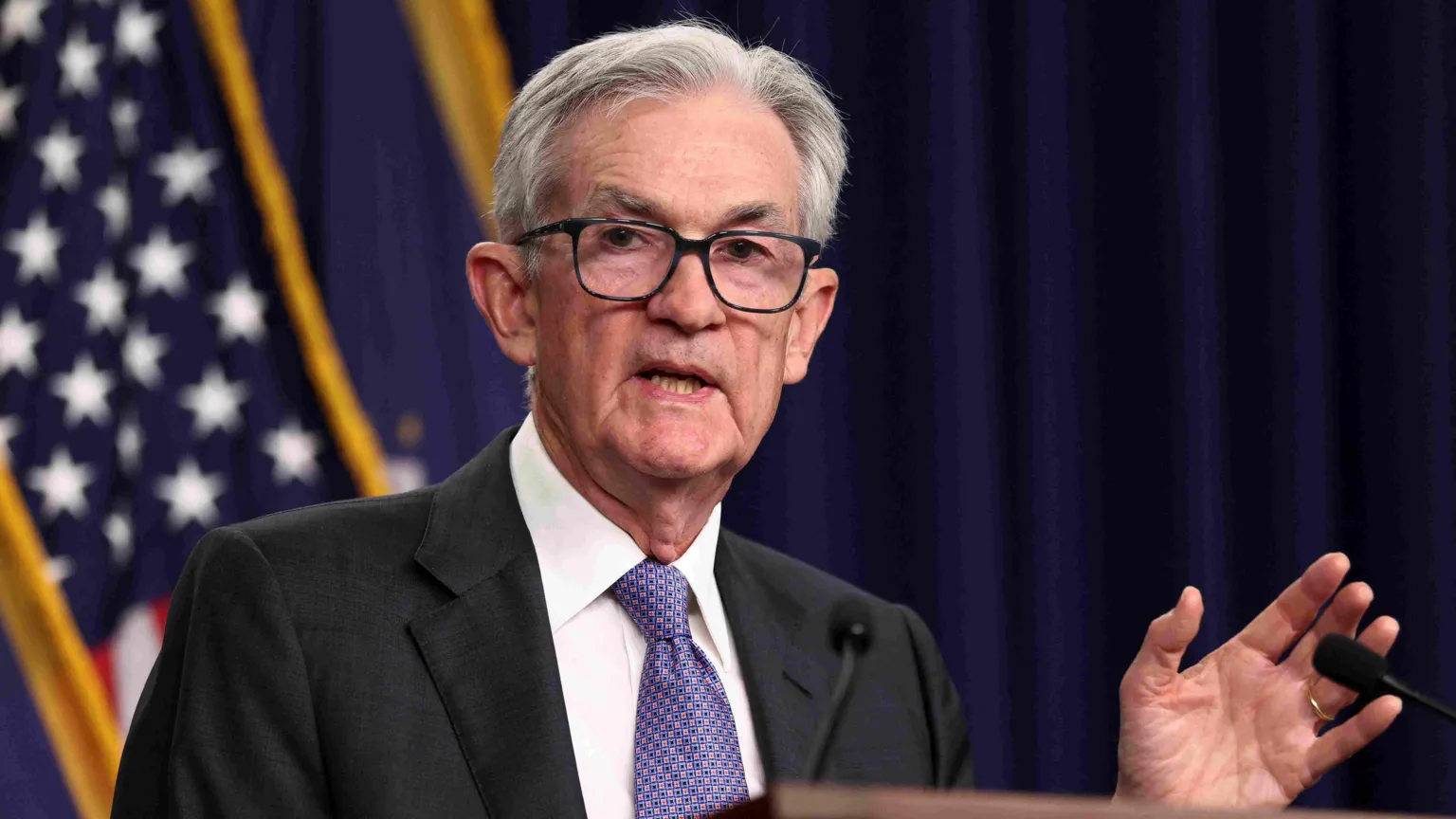
The United States Federal Reserve has lowered interest rates for the third time this year, offering relief to borrowers but leaving markets unsure about what comes next. The decision to reduce the benchmark lending rate by 0.25 percentage points places it within a range of 3.50 percent to 3.75 percent, the lowest level the country has seen in three years. This shift reflects growing concern about a slowing labour market, softening consumer activity and uneven economic signals. While the cut demonstrates the Fed’s willingness to act, policymakers remain divided about the path forward.
Conflicting signals complicate the Fed’s strategy
One of the biggest challenges facing the Federal Reserve is the tension between a weakening job market and persistent price pressures. Recent employment data shows slower hiring, lower job openings and more cautious employer behaviour. At the same time, inflation remains higher than the Fed would prefer, creating a delicate balancing act. Lowering rates too quickly risks fuelling price increases, while keeping rates high for too long could deepen economic slowdown. This internal conflict has led to disagreements among Fed officials, each interpreting the economic landscape differently based on their priorities and expectations.
Projections hint at caution rather than commitment
Alongside the rate announcement, the Fed released updated economic projections that outline expectations for the coming year. Policymakers currently anticipate one additional rate cut next year, though they stress that the outlook may shift depending on new data. This cautious approach underscores the uncertainty surrounding the economic environment. Growth forecasts have been adjusted slightly downward, and inflation is expected to ease but remain above the long term target for a while longer. These projections suggest the Fed is attempting to manage both risks without committing to an aggressive easing cycle.
Markets react to mixed signals
Financial markets responded with a blend of relief and hesitation. Investors welcomed the immediate rate cut, viewing it as a step toward easing financial conditions. However, the uncertainty surrounding future cuts led to fluctuating expectations. Some analysts believe the Fed may need to act more aggressively if job market conditions deteriorate further, while others argue that caution is justified given ongoing inflation concerns. Bond yields moved slightly lower in response to the announcement, and stock markets saw modest gains as traders digested the implications of the new policy stance.
Consumers and businesses feel the effects
For households, lower interest rates often translate into more affordable borrowing, especially for mortgages, personal loans and credit card rates. This relief can help boost consumer spending, a critical driver of the US economy. Businesses may also benefit from lower financing costs, encouraging investment in equipment, expansion and hiring. Still, the effect is uneven. Companies sensitive to inflation or those experiencing weaker sales may remain cautious despite the lower rate environment. Consumers, meanwhile, continue to face higher prices for essentials, which may limit the positive impact of cheaper borrowing.
A policy direction that remains open to change
The key question now is how the Fed will respond to evolving economic conditions in the months ahead. Officials have emphasised that decisions will depend on incoming data rather than predetermined timelines. If inflation continues to cool and labour market weakness becomes more pronounced, additional cuts could become more likely. Conversely, if price pressures re intensify, the Fed may hold rates steady for longer. This flexible stance reflects the complexity of the current economic landscape and the difficulty of guiding policy during a period of mixed signals and uneven recovery.
Uncertainty defines the road ahead
The latest rate cut signals the Fed’s ongoing effort to support economic stability while avoiding renewed inflationary pressures. The internal disagreements and cautious projections highlight the uncertain nature of the moment. As financial markets, businesses and households adjust to the new rate environment, the central bank remains focused on navigating a path that balances growth and price stability. The coming months will reveal whether this measured approach provides enough support or whether shifting conditions will force the Fed to reconsider its strategy once again.