Fashion
Fashion as a Cultural Pulse: How Style Reflects Identity, Time and Human Expression

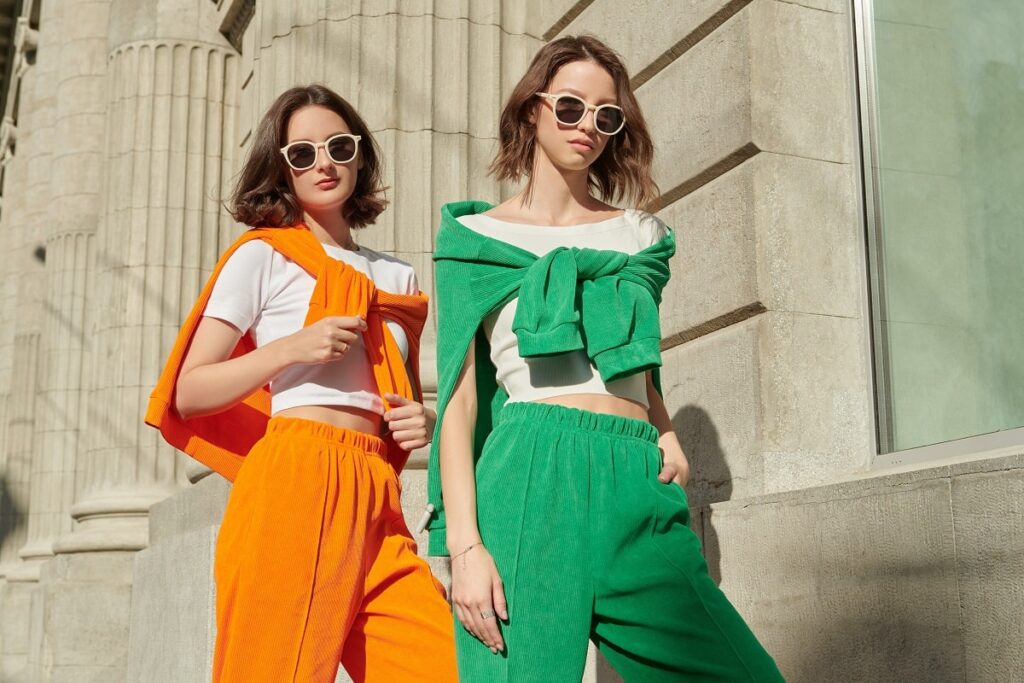
Fashion is far more than fabric and design. It is a living language that reveals personality, cultural values, and the spirit of an era. Every outfit, whether carefully curated or effortlessly casual, becomes part of a broader narrative. It communicates mood, identity, and beliefs without a single word. Through fashion, we see the intersection of art, commerce, innovation, and personal expression. It allows individuals to present who they are and how they want to be understood.
How Fashion Mirrors History
Across centuries, clothing has functioned as a cultural mirror. In ancient Egypt, linen garments symbolised purity and social standing. During the Renaissance, Europeans embraced elaborate details, voluminous silhouettes, and rich fabrics to display power and status.
The 1920s reshaped women’s fashion with shorter hemlines and looser fits that echoed the era’s new freedoms. In the 1960s, bold patterns and miniskirts captured the revolutionary spirit of youth movements. By the 1990s, minimalism replaced the excess of the previous decade, only for the early 2000s to swing back toward bold, flashy aesthetics.
Today, fashion exists in a fast-moving, postmodern space where eras blend, trends reappear, and personal expression drives style more than ever.
Expression and Identity
Fashion plays a central role in shaping how individuals present themselves. What people choose to wear often reflects their emotions, beliefs, or aspirations. Clothing can convey confidence, creativity, rebellion, or quiet elegance.
Personal style is not simply a collection of trends; it is a story that evolves through choices. Some prefer minimalist wardrobes that signal clarity and intention, while others embrace eclectic pieces that express playfulness or individuality. Fashion becomes a tool for building an identity that feels empowered and genuine.
Global Influence and Cultural Exchange
In an interconnected world, fashion flows across continents. Designers draw inspiration from traditional garments, textiles, and craftsmanship around the globe. Japanese kimonos influence contemporary silhouettes, Indian embroidery appears on couture runways, and African prints inspire international collections.
This exchange enriches the fashion world, but it also requires awareness. Understanding the cultural meaning behind traditional clothing ensures that global inspiration is approached with respect rather than appropriation. This sensitivity allows fashion to celebrate diversity while honouring heritage.
The Industry’s Power and Transformation
Fashion is not only creative; it is one of the largest and most influential industries worldwide. It shapes global markets, public attitudes, and cultural trends. Today, the industry is being reshaped by key forces that prioritise values alongside aesthetics.
Sustainability is increasingly essential, pushing brands to adopt eco-conscious materials and responsible production. Digitalisation is transforming communication through e-commerce, virtual shows, and influencer culture. Customisation is becoming more popular as people seek clothing that feels personal and meaningful. Transparency is growing as consumers demand clearer information about production and labour practices.
These shifts are redefining the industry from within.
Technology’s Role in the Future of Style
Technology is no longer a fashion accessory; it is a central force. Smart fabrics that adapt to temperature, 3D-printed garments that reduce waste, and digital-only clothing that exists purely online are shaping a new frontier.
Augmented Reality allows virtual try-ons, reducing returns and cutting down on physical samples. Artificial Intelligence predicts style trends, streamlines production, and enhances customer experience. As digital innovation continues, fashion becomes a fusion of creativity, functionality, and sustainability.
Fashion and Cultural Resistance
Throughout history, clothing has often acted as a form of protest. Beatniks used black turtlenecks to challenge mainstream culture. Feminist movements used slogan T-shirts to amplify their voices. Today, gender-fluid fashion challenges traditional norms on red carpets and runways.
Designers increasingly use their platforms to raise awareness about climate issues, identity, mental health, and racial equality. Fashion gives form to ideas and helps push cultural conversations forward.
Crafting a Personal Style
Personal style lasts longer than any trend. It grows from experience, confidence, and a sense of self. Developing it involves observation, experimentation, and reflection.
Individuals can nurture their style by choosing quality pieces, identifying signature elements, and editing their wardrobe to reflect their current identity. A strong personal style evolves gracefully with life’s changes, remaining authentic at its core.