Politics
Ex Olympic swimmer Sharron Davies among new peers

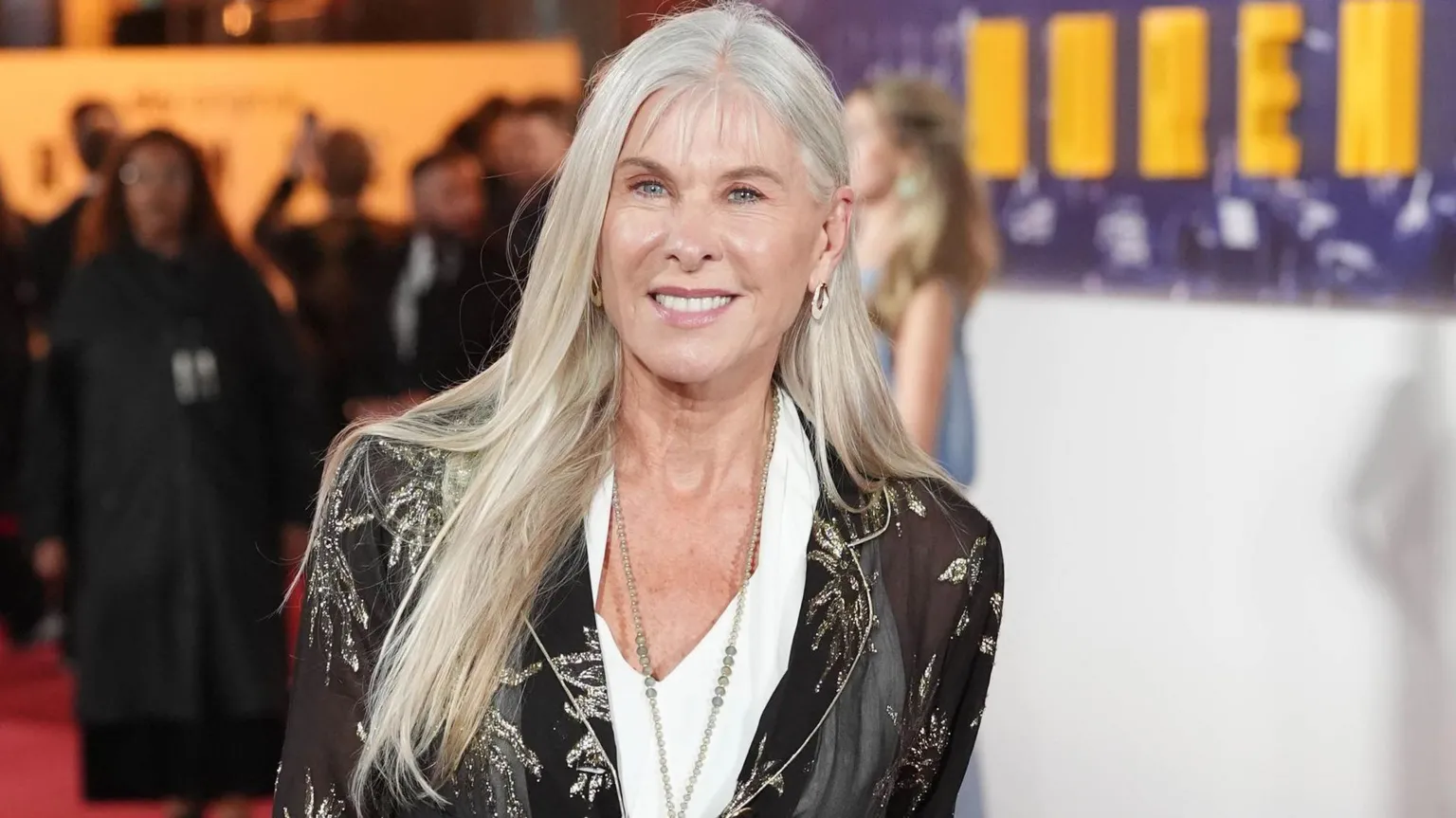
Former Olympic swimmer Sharron Davies, long recognised for her achievements in sport and her outspoken advocacy on women’s rights, is set to join the House of Lords as one of the newest Conservative peers. Davies, who won a silver medal at the 1980 Moscow Olympics and became a prominent public figure in later years, was nominated by Conservative leader Kemi Badenoch. Her appointment acknowledges not only her sporting career but also her continued involvement in national debates about fairness in women’s sport.
Recognition for a long career in sport and advocacy
Davies has been one of the most vocal figures in British sport when it comes to discussions about the participation of trans women in women’s competitions. She has argued consistently for policies that she believes protect competitive fairness, earning both strong support and significant criticism. The Conservative Party stated that her nomination reflects her contributions to British sport as well as her efforts to raise awareness on issues affecting women athletes. Her new role in the Lords positions her to take part in shaping future discussions on sport, equality and public policy.
New appointments across political parties
Davies is one of three new Conservative peers announced, marking an effort by the party to bring in voices with experience beyond traditional political backgrounds. Alongside the Conservative nominations, Labour leader Sir Keir Starmer has named twenty five new peers, broadening his party’s representation in the upper chamber. Among these appointments is Richard Walker, the chairman of Iceland supermarkets, who has been increasingly active in public debate on environmental issues and corporate responsibility. Another notable Labour nomination is Matthew Doyle, former Number 10 communications director, who brings extensive political experience to the role.
The Liberal Democrats expand their presence as well
Liberal Democrat leader Sir Ed Davey has nominated five new peers to strengthen his party’s influence in the Lords. These additions reflect a broader reshaping of the chamber as parties prepare for future legislative battles. The combined appointments from all three major parties demonstrate the continuing importance of the House of Lords in scrutinising government policy, proposing amendments and contributing expertise from a range of professional fields.
A moment of transition for the upper chamber
The arrival of new peers often marks a moment of reflection about the role of the House of Lords and the type of expertise it should include. Davies, with her high public profile and strong views, represents a shift toward appointing individuals whose influence stretches beyond politics. Supporters say her presence will bring valuable perspective on matters of sport, fairness and gender policy. Critics, however, question whether outspoken public figures risk bringing polarisation into a chamber designed for measured debate. Her appointment will likely spark continued discussion about the qualities that modern peers should embody.
Broader political significance of the nominations
The wave of new peers comes at a time when the main political parties are preparing for an intense period of policy making. With major national debates ahead on the economy, gender rights, public services and constitutional reform, the House of Lords will play a crucial role. The Conservatives aim to reinforce their policy direction, Labour seeks to strengthen its legislative influence, and the Liberal Democrats hope to amplify their voice on issues such as civil liberties and environmental protection. Each party’s appointments reflect strategic priorities as well as efforts to bring in individuals who can contribute expertise and public credibility.
A high profile figure stepping into national policymaking
Sharron Davies’s appointment stands out not only because of her sporting achievements but because of the cultural debates she has been closely involved in. As she takes her seat in the Lords, she enters a new chapter of public service where her voice will carry legislative weight. Whether addressing policies on sport, equality or broader social issues, her involvement signals the continuing interplay between sport, culture and politics in the UK.