Business
Europe’s green energy push faces mixed outlook as Middle East conflict drives costs and uncertainty

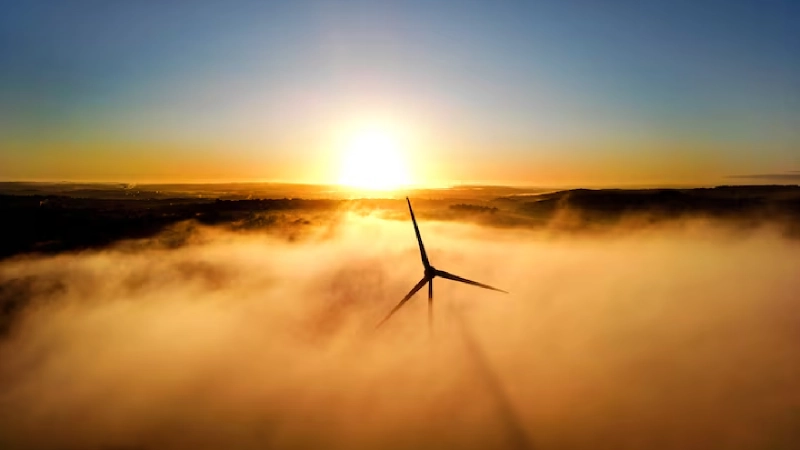
Europe’s transition to renewable energy is facing a complex and uneven path as the Middle East conflict reshapes energy markets, creating both urgency and uncertainty for investors and policymakers. The surge in oil and gas prices has intensified calls for faster adoption of clean energy to reduce dependence on fossil fuels, but rising inflation and borrowing costs are making new projects more challenging to finance. This dual impact is creating what analysts describe as a paradox, where the long term case for renewables strengthens while short term investment conditions become more difficult.
Energy prices have climbed sharply since the start of the conflict, with oil and gas seeing significant increases that are feeding into inflation across European economies. As a result, expectations for higher interest rates have also risen, raising the cost of capital for renewable energy projects. Investors warn that while higher electricity prices can boost revenues for existing assets, the increased cost of financing may undermine the viability of new developments. This shift is already reflected in market valuations, with many renewable investment funds trading at notable discounts.
Market data shows that renewable infrastructure funds across Europe are still under pressure, despite some recovery from earlier declines. While certain companies have seen modest improvements in valuations, overall investor sentiment remains cautious. Broader indices tracking green energy companies have also slipped in recent weeks, reflecting concerns about profitability and long term returns in a higher interest rate environment. Analysts note that financing conditions will play a critical role in determining how quickly new projects can move forward.
At the same time, policymakers across Europe are accelerating efforts to support the energy transition through regulatory changes and financial incentives. Plans to streamline project approvals and increase funding for clean energy infrastructure are seen as essential to maintaining momentum. However, permitting delays continue to be a major obstacle, with some projects facing years of administrative hurdles before construction can begin. Industry leaders argue that faster and more predictable approval processes are key to unlocking investment and expanding capacity.
The duration of the conflict is expected to be a decisive factor in shaping the future of Europe’s energy strategy. Prolonged disruption could strengthen the case for renewable energy by keeping fossil fuel prices elevated, but it could also prolong financial pressures that slow development. As governments and investors navigate this uncertain landscape, the balance between rising costs and long term energy security will remain central to the region’s green energy ambitions.