Business
European retailers warn of rising prices and weaker demand as Middle East conflict drives costs higher

Major retailers across Europe are warning that a prolonged Middle East conflict could trigger a fresh wave of price increases and weaken consumer demand, as rising energy costs begin to ripple through supply chains. Companies say the surge in oil prices above 100 dollars per barrel is already increasing transportation and logistics expenses, putting pressure on margins and forcing difficult decisions around pricing. The warnings reflect growing concern that inflation could return to the retail sector just as consumers were beginning to recover from earlier cost of living pressures.
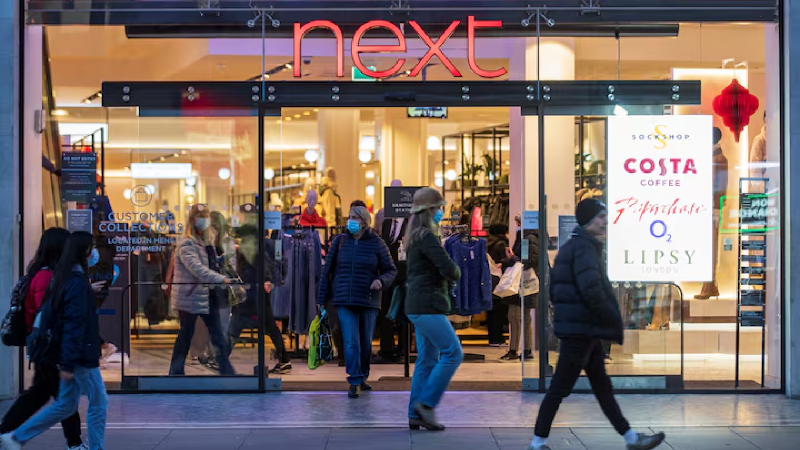
Executives from leading retail groups including fashion giant H&M and British retailer Next have signalled that continued disruption could lead to noticeable price adjustments in the coming months. Next indicated that it may raise prices slightly during the summer, with initial increases expected to remain modest. However, company leaders warned that if the conflict continues for an extended period, the impact could intensify, potentially pushing prices significantly higher as manufacturing and distribution costs rise across global markets.
Retailers say that while spending has remained relatively stable so far, the real risk lies in how consumers respond once prices begin to climb. Industry leaders note that shoppers tend to adjust behaviour only after price increases are felt directly, rather than in anticipation of them. Early indicators suggest that consumer confidence is already weakening in several European economies, with surveys pointing to declining retail sales and growing caution among households facing higher energy bills and broader economic uncertainty.
The pressure is not limited to clothing retailers, with supermarket chains and consumer goods companies also preparing for potential disruptions. Rising costs for fuel, fertiliser and animal feed are expected to feed into food prices over time, creating additional strain on household budgets. Retail groups are exploring cost cutting measures and supply chain adjustments to manage volatility, but executives acknowledge that sustained conflict could make it increasingly difficult to shield consumers from higher prices.
Economic data across Europe is reinforcing concerns about demand, with consumer sentiment falling in key markets including the UK, Germany and Italy. Analysts say the combination of fragile confidence and rising costs could weigh on retail performance in the months ahead, particularly if geopolitical tensions persist. As businesses navigate uncertain conditions, the sector remains highly sensitive to energy prices and global supply chain disruptions, both of which are being closely watched as indicators of future pricing trends and consumer behaviour.