Tech
EU Signals Tighter Rules for Online Platforms as Cyberbullying Concerns Grow

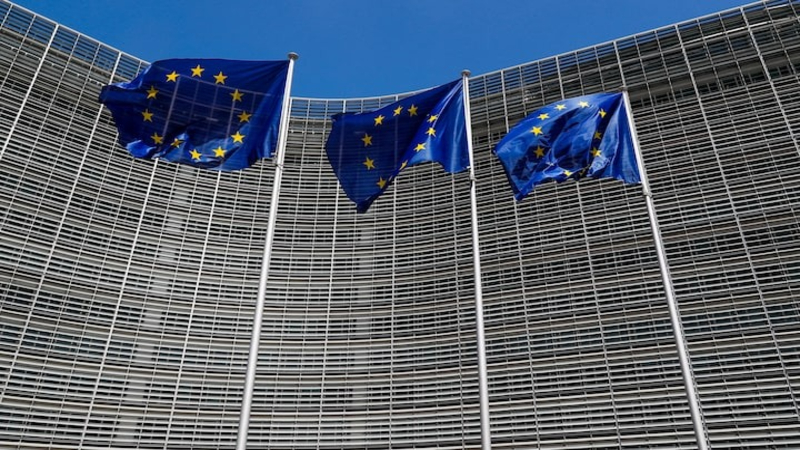
Major online platforms may soon face tougher obligations to combat cyberbullying, as European regulators step up efforts to protect children and young people from harmful online behaviour. The European Commission has warned that existing safeguards may not go far enough, citing growing evidence of the impact of online abuse on mental health across the continent.
The Commission said cyberbullying affects roughly one in six children in the European Union, a figure that has intensified calls for stronger oversight of social media and video sharing platforms. The issue has become a priority for policymakers as governments worldwide debate limits on youth access to social media and the responsibilities of technology companies in safeguarding minors.
At the centre of the EU approach is the Digital Services Act, a sweeping regulatory framework that already requires platforms to address illegal and harmful content. The rules include protections for minors such as allowing users to block or mute others and preventing children from being added to online groups without consent. EU officials now say these measures will be reinforced to ensure faster reporting, clearer safeguards, and stronger prevention of exposure to harmful material.
The Commission confirmed that guidance under the Digital Services Act will be updated, placing additional expectations on companies to identify and mitigate risks faced by children online. These changes are intended to make it easier for young users and their families to flag abuse and to ensure that platforms respond more consistently across the EU.
Another regulatory pillar is the Audiovisual Media Services Directive, which governs broadcasters and video sharing platforms. EU officials said this framework will also be revised to better address cyberbullying and online harassment, particularly where video content and live interactions are involved. The move reflects concern that abuse can spread rapidly through visual platforms, often leaving victims exposed for prolonged periods.
EU Youth Commissioner Glenn Micallef described cyberbullying as a serious and widespread threat, warning that its consequences can be devastating. He said tackling online abuse is about protecting lives and ensuring that digital spaces do not become environments where harm goes unchecked. His remarks underline the Commission’s view that cyberbullying should be treated as a public health issue rather than a marginal online problem.
Alongside regulatory updates, the Commission outlined an action plan focused on practical support for victims. Central to this plan is the rollout of an EU wide reporting app that would allow individuals to document incidents, store evidence, and contact national helplines. The aim is to provide a single, accessible tool that works across borders, reflecting the cross national nature of online platforms.
For technology companies, the message from Brussels is clear. Voluntary measures and basic safeguards are no longer seen as sufficient. As digital platforms continue to shape how young people communicate and socialise, EU authorities expect stronger systems, clearer accountability, and more proactive intervention to reduce harm and create safer online environments.