Tech
EU Launches Investigation into Google Over AI Generated Search Summaries


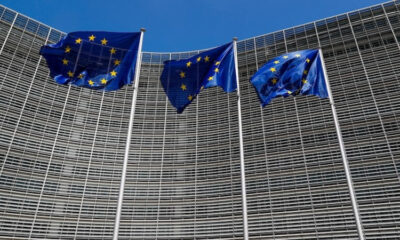
The European Union has opened a formal investigation into Google over its use of artificial intelligence to generate summaries that appear at the top of search results. These short explanations often pull information from news sites, blogs and other online publishers. EU regulators want to know whether Google used website content without proper authorisation and whether it offered fair compensation to publishers whose work contributed to these summaries. The move signals growing scrutiny of how AI systems collect and present information, particularly when they rely on content produced by others.
Questions About Publisher Rights and Transparency
At the heart of the investigation is the concern that Google’s AI may be using data from publishers without clear permission. The European Commission says it wants to examine whether Google respected copyright laws and whether it treated publishers fairly when using their material to power its AI features. Regulators also want to assess the impact these summaries may have on website traffic. If users receive answers directly on Google rather than clicking through to external sites, publishers may lose advertising revenue, which has long been a point of tension between the tech giant and the media industry.
The Commission is also looking into whether Google’s systems allow publishers to opt out of having their content used for AI training and summaries. Many publishers and content creators argue that they should have control over whether their work is fed into machine learning models and should receive compensation if it is used.
YouTube Data Also Under the Microscope
The investigation does not stop with Google Search. The EU is also examining whether YouTube videos have been used to train Google’s broader AI systems, including large language models. Content creators want clarity about how their videos are being used, whether they were informed and whether they have the ability to refuse participation in AI training.
YouTube has some mechanisms for content control, but regulators say it is unclear whether these tools extend to AI datasets or whether creators were properly notified. The inquiry will explore whether Google has been transparent enough about the role YouTube content plays in the development of its AI systems.
Google Pushes Back Against the Probe
Google has responded by warning that the investigation could slow progress in a rapidly evolving and highly competitive AI market. A spokesperson for the company said the inquiry “risks stifling innovation” and argued that modern search is more competitive than ever, with AI powered tools emerging from multiple companies. Google maintains that it respects copyright laws, collaborates with publishers and provides valuable traffic to websites.
The company also says it is committed to offering users high quality answers while supporting a healthy digital ecosystem. But these assurances have not eased concerns among European regulators, who point to past disputes over advertising practices, data collection and market dominance as reasons to take a closer look.
A Pivotal Moment for AI Regulation
The investigation comes as the EU pushes forward with some of the world’s strictest AI regulations. Policymakers want tech companies to be transparent about how their models are trained, how data is sourced and how users are affected by automated systems. The Google probe could become a key test case for how these rules are enforced and how much control publishers and creators have over their intellectual property in the age of generative AI.
Depending on its findings, the EU could require Google to alter its AI practices, negotiate new agreements with publishers or even face fines. The outcome will shape not only the future of Google’s AI powered search features but also the broader relationship between technology companies, content creators and regulators.