Business
EU and G7 weigh sweeping ban on maritime services for Russian oil exports

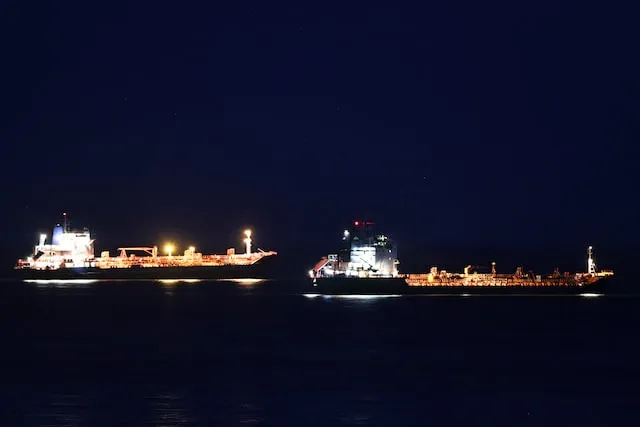
The European Union and the Group of Seven nations are considering a major escalation of sanctions against Russia by replacing the current price cap on Russian oil with a full ban on maritime services that support its exports. According to six sources familiar with the discussions, the move would be the strongest coordinated effort yet to restrict the revenues Moscow relies on to fund its war in Ukraine.
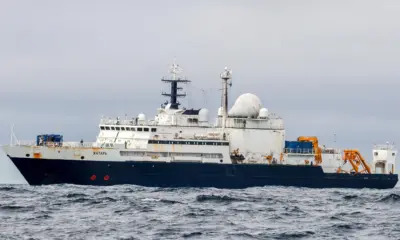
Since the invasion in 2022, Western governments have aimed to curb Russia’s oil income without destabilising global markets. The price cap, introduced in late 2022, allowed Western companies to transport Russian crude so long as it was sold below a set limit. But officials say the measure has become increasingly ineffective as Russia built a shadow fleet of non Western tankers and found workarounds in Asia and the Middle East.
Despite these efforts, more than a third of Russia’s oil exports still depend on Western owned or Western insured ships. Much of that trade flows to India and China using fleets operated from EU maritime hubs such as Greece, Cyprus and Malta. Ending the provision of shipping, insurance and financial services for Russian oil would effectively cut off those routes, forcing Moscow to rely entirely on its own vessels or non Western operators.
Such a shift would represent a near total ban on Russian oil at the G7 and EU level. Analysts say it would significantly complicate Russia’s ability to move large volumes at competitive prices, potentially shrinking its export revenues sharply. However, it could also tighten the global oil market and send prices upward if alternative shipping networks cannot absorb the volume displaced.
The talks remain sensitive, with some EU states wary of the economic risks and the impact on their shipping sectors. Greece, Cyprus and Malta, whose maritime industries handle a substantial share of Russia related transport, are expected to push back against a blanket ban. Diplomats say negotiations are ongoing, with several governments arguing for transitional measures or safeguards to avoid market shocks.
Western officials have grown increasingly frustrated that the price cap mechanism has not delivered the intended blow to the Kremlin’s finances. Russia has been able to sell oil at prices above the cap using its expanded shadow fleet, while avoiding Western insurance by turning to providers in Asia and the Middle East. A maritime services ban would close many of those loopholes.
Still, enforcement challenges loom large. Even with a ban, tracking Russia’s vast and opaque tanker network remains difficult. Ships frequently switch off transponders, conduct illicit transfers at sea or operate through complex ownership chains designed to evade detection.
Supporters of the ban argue that even partial disruption could reduce Russia’s oil income substantially and send a strong political signal. Critics warn it could strain diplomatic ties with India and China, major buyers of Russian crude, and fuel further volatility in energy markets already rattled by geopolitical tensions.
The G7 and EU are expected to continue negotiations over the coming weeks. If agreed, the measure would mark one of the most far reaching sanctions packages since the beginning of the war, representing a decisive shift away from price control and toward outright restriction.