Business
Elon Musk Reflects On Doge And Why He Would Not Lead It Again

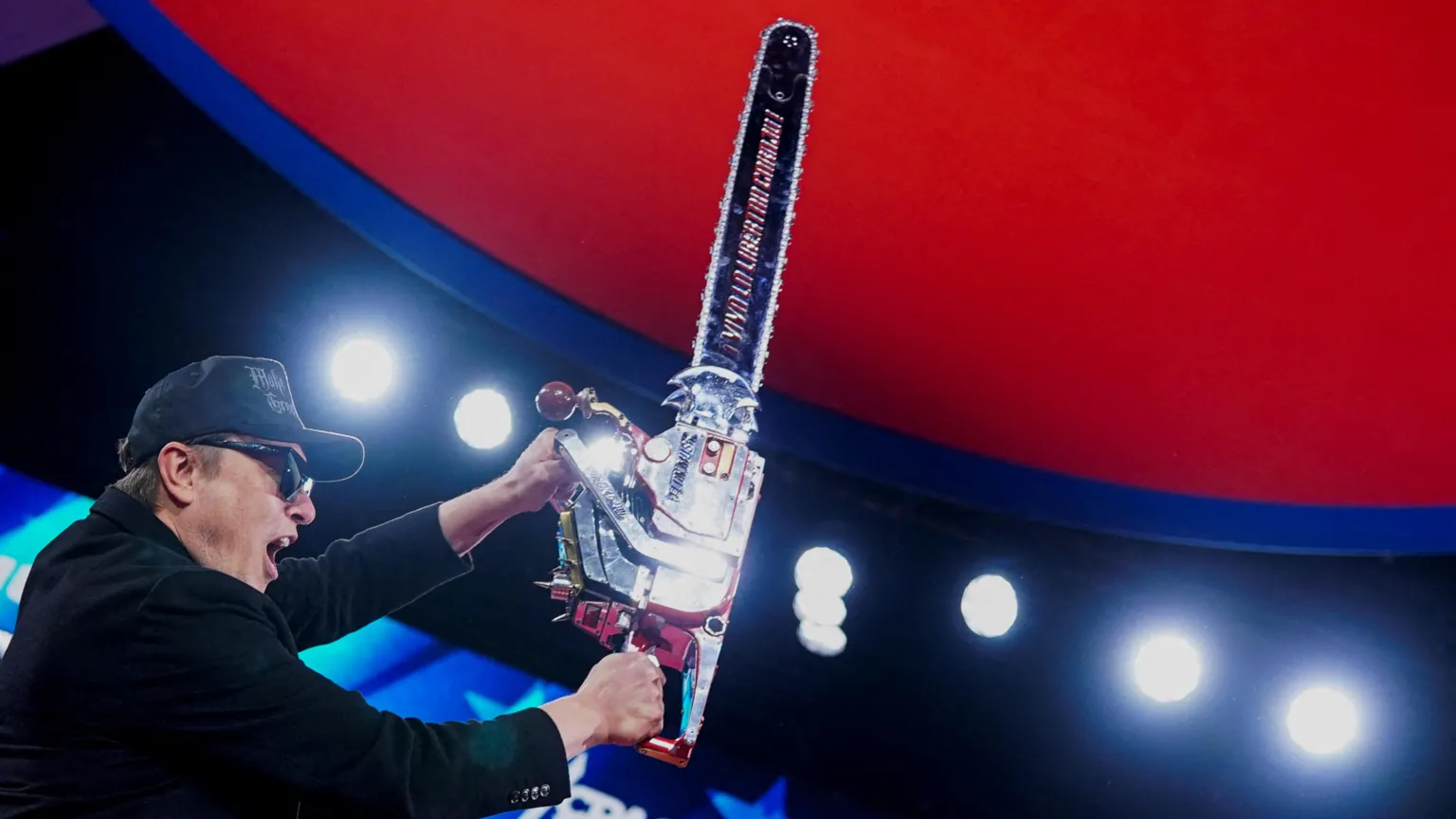
Elon Musk’s foray into US government restructuring has come to an uneasy conclusion, and the billionaire now says he would not repeat the experience. In a lengthy conversation on The Katie Miller Podcast, Musk looked back on his time leading the Department of Government Efficiency, commonly called Doge, an advisory group created under President Donald Trump with the aim of drastically shrinking the federal bureaucracy. Although he insists the initiative was “a little bit successful,” Musk made clear that the turbulent political environment, the backlash against his companies and the limits of government reform left him reluctant to ever take on such a role again.
Why Musk Says He Would Not Repeat His Doge Role
When asked whether he would lead Doge again if he could go back to the start of the year, Musk offered a blunt no. He said he would have preferred to focus on his companies, describing how the political spotlight contributed to acts of vandalism against Tesla vehicles and showrooms. Several Tesla locations experienced attacks early in the year as protests erupted worldwide over Musk’s prominent role in Trump’s administration. The disruption strained Tesla’s public image and revenue, with the company reporting its lowest sales in three years and warning investors that shifting political sentiment was directly affecting consumer demand. Musk suggested that if he had stayed focused on Tesla and SpaceX, his teams would have avoided what he described as “burning the cars,” a reference to the vandalism episodes.
How Doge Aimed To Reshape Government
Doge was created on Trump’s first day back in the White House through an executive order. Despite its name, Musk emphasized that it was not a formal government department but an advisory group built around ideas crowdsourced from the internet. The goal was sweeping efficiency. Musk initially promised savings of up to two trillion dollars a year by eliminating federal jobs, shutting down agencies and slashing government programmes that he believed provided little value. Although the final results fell far short of his early projections, Doge’s website claims more than two hundred fourteen billion dollars in savings this year. Musk defended the group’s work by saying it stopped funding that made no sense and pushed government activity toward a leaner model.
Controversy And Legal Challenges Slowed Down The Mission
The aggressive nature of Doge’s proposals created predictable friction across Washington. Many of its moves led to political fights or ended up reversed. One of the most controversial incidents involved the firing of bird flu specialists at the US Department of Agriculture. After concerns were raised about the immediate public health consequences of removing key personnel, the administration scrambled to rehire the officials just days later. Similar episodes unfolded throughout the year, highlighting the tension between accelerating cost cutting and maintaining essential government functions. While Musk acknowledged Doge’s partial success, the backlash and reversals revealed how complicated it is to impose rapid transformation on a vast federal system.
Musk’s Mixed Appraisal Of Doge’s Legacy
Despite his regrets, Musk still maintains that Doge achieved meaningful outcomes. He said the group was “somewhat successful” and expressed his belief that government should do as little as possible. This philosophy guided Doge’s mission, even as the political environment around it became increasingly volatile. His comments also illustrate a broader challenge that tech and business leaders face when entering public policy roles. The intersection of politics, public opinion and corporate identity can quickly create conflicts that affect far more than policy goals. For Musk, the Doge experiment offered lessons in government reform, political risk and the difficulty of applying tech style efficiency to federal institutions. The experience may be behind him, but the debate over Doge’s impact and Musk’s role in it will likely continue.