News
Egypt and Iran Set to Play in 2026 World Cup Pride Match Despite LGBTQ+ Restrictions at Home

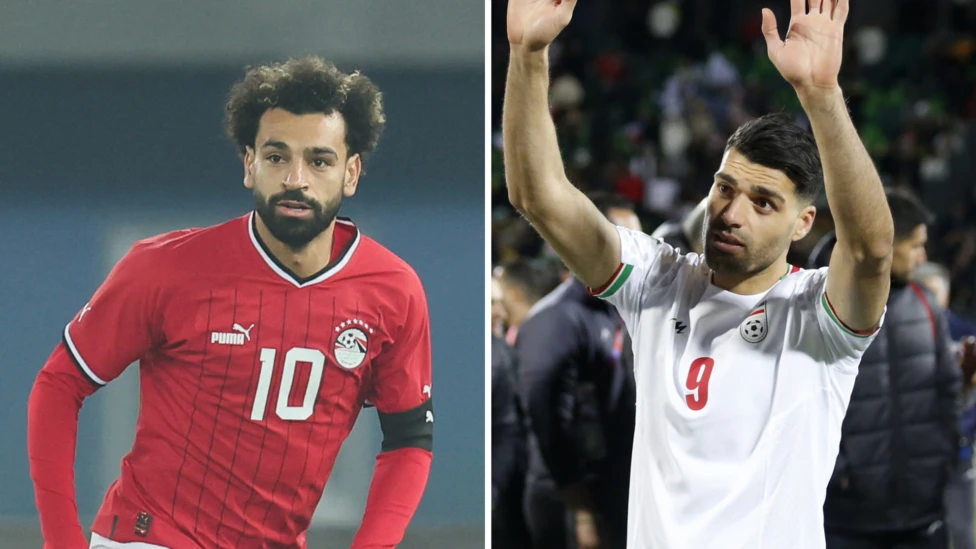
A World Cup fixture planned as a celebration of LGBTQ+ pride will now feature Egypt and Iran, two nations where homosexuality is criminalised, prompting debate over the symbolism and potential controversy surrounding the event. The match, scheduled for 26 June at Lumen Field in Seattle, is part of the host city’s official Pride weekend and was organised before the teams were known. It is now confirmed to be a Group G meeting between Egypt and Iran following the tournament draw and fixture allocation.
Seattle’s local organising committee developed the concept to highlight LGBTQ+ voices and experiences through art, community engagement and visibility during the World Cup. Artists from across Washington state were invited to draw up designs and creative works that will be displayed around the stadium and throughout the city. The event is independent of FIFA and was conceived as a local celebration of diversity and inclusion, with the hope of bringing global football culture together during Pride month.
However, the involvement of Egypt and Iran has drawn international attention because both countries enforce laws that punish same sex relationships. In Iran, the maximum penalty for homosexual acts is death, while in Egypt, authorities often use morality laws to arrest or intimidate LGBTQ+ individuals. Human rights groups say these legal frameworks create significant fear and discrimination, making the pairing of these nations in a Pride match particularly sensitive.
Despite concerns, the Seattle Pride Match Advisory Committee said the event will proceed exactly as planned. In a statement provided to LGBTQ+ news outlet Outsports, a spokesperson said the match was designed to celebrate Pride in Seattle and beyond and that its purpose remains unchanged. The spokesperson emphasised that football has the capacity to bring people together across differences and that the Pride Match reflects a commitment to dignity and unity for all people, regardless of background or identity.
The unusual circumstances have sparked discussions among fans, activists and sports organisers about how global sporting events intersect with human rights. Some supporters believe the match offers an opportunity to highlight LGBTQ+ visibility on an international stage, even if the teams involved come from countries with restrictive laws. Others argue that the symbolism could feel hollow or uncomfortable given the legal and social realities faced by LGBTQ+ communities in Egypt and Iran.
This is not the first time a gesture of support for LGBTQ+ rights has clashed with the policies or cultural norms of participants at a World Cup. During the 2022 tournament in Qatar, another country with laws criminalising same sex relationships, FIFA warned that players wearing the OneLove armband as a show of LGBTQ+ solidarity would receive yellow cards. England, Wales and several other European nations ultimately abandoned plans to wear the armband after the ruling.
As preparations continue for the Seattle event, organisers say the Pride Match remains an important part of their broader celebration. They hope the match will spark dialogue while reinforcing the idea that global football can serve as a platform for inclusion, even when participating nations hold differing values.