
Politics
Doctors in England announce six day strike after rejecting government pay offer

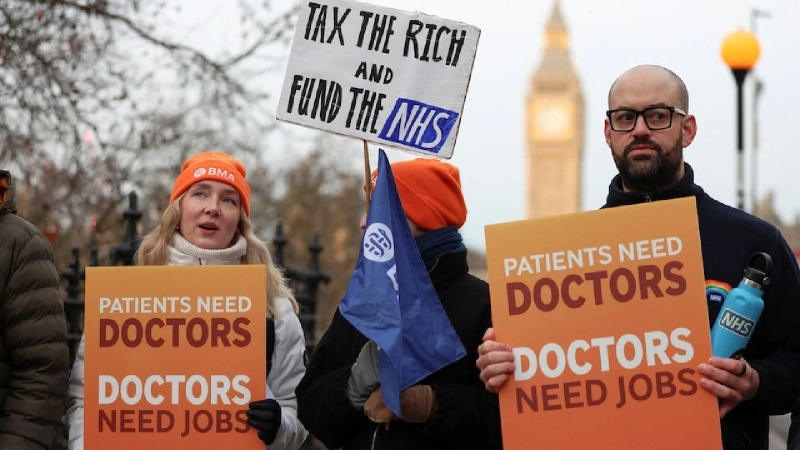
Resident doctors across England have confirmed a six day strike planned for early April after rejecting the government’s latest pay proposal, intensifying an ongoing dispute that has stretched the National Health Service for more than two years. The walkout is scheduled from April 7 to April 13 and is expected to affect hospitals nationwide. The decision follows weeks of negotiations that failed to produce an agreement, with union leaders arguing that current pay levels do not reflect rising living costs or the increasing pressure placed on frontline staff.
The dispute centers on a proposed 3.5 percent pay increase for the 2026 to 2027 period, along with changes to pay progression and additional incentives. Government officials say the package aligns with independent recommendations and includes improvements such as reimbursement of mandatory exam fees and the creation of thousands of new specialty training positions over the next three years. Authorities also highlighted broader reforms aimed at improving working conditions and career progression. However, union representatives maintain that the overall structure of the offer does not address long term concerns about declining real wages.
Medical leaders argue that years of below inflation pay adjustments have significantly reduced earning power for doctors in training, many of whom now face financial strain despite working in critical roles. The union believes that phased pay progression and limited increases risk locking in further losses, particularly as inflation continues to impact household expenses. There are also concerns about staffing shortages, with many doctors choosing to leave the country for better opportunities abroad. This trend has added pressure on remaining staff and raised questions about the sustainability of healthcare services.
Union officials have warned that the strike could still be avoided if meaningful negotiations resume quickly, but they insist that the current offer does not meet expectations. Government representatives have expressed frustration with the rejection, stating that the proposed package represents a fair balance between improving pay and managing public finances. Officials also noted that previous adjustments would have left resident doctors significantly better off compared with several years ago. The disagreement reflects a broader divide over how to balance workforce demands with budget constraints in a strained healthcare system.
The conflict is part of a wider pattern of industrial action within the NHS, where pay disputes and staffing challenges have become increasingly common. Resident doctors make up a substantial portion of the medical workforce and play a vital role in hospital operations. Previous strikes have led to delays in appointments and procedures, placing additional strain on patients and healthcare providers. The current dispute has drawn attention to long standing issues related to workforce retention, training capacity, and the overall resilience of the healthcare system.
Developments in other parts of the United Kingdom suggest that similar tensions may be emerging beyond England. Union committees in Wales and Northern Ireland have raised concerns about the same pay recommendations, warning that below inflation increases could further weaken morale and prompt additional industrial action. These signals indicate that the dispute could expand if similar concerns are not addressed across regions. Analysts note that coordinated action across multiple areas would increase pressure on policymakers to find a more comprehensive solution.
Health services are now preparing contingency plans to manage the expected disruption during the strike period, including prioritizing urgent care and reallocating resources where possible. Patients have been advised to expect delays and potential rescheduling of non urgent procedures. As the strike dates approach, both sides face mounting pressure to return to negotiations and avoid prolonged disruption. The situation remains fluid, with further developments likely in the coming days as discussions continue behind the scenes.



