Tech
Digital Pound Still Coming Soon Brits Now Measuring Time in Decades

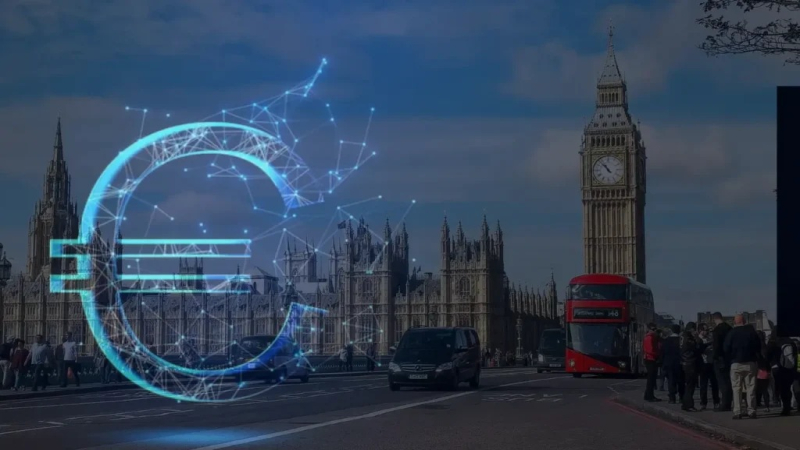
The digital pound has become one of the UK’s most discussed financial concepts without ever becoming something people can actually use. Years of consultations, discussion papers, and cautious statements have placed it in a permanent holding pattern. Regulators maintain that progress is steady and deliberate, but public patience is wearing thin.
For many Britons, the digital pound feels abstract and distant. Despite frequent headlines and official commentary, there is little clarity on how it would function in everyday life. This uncertainty has turned the concept into a running joke, often compared to technologies that are always promised but never quite arrive.
Why the Digital Pound Still Feels Out of Reach
The slow pace is not accidental. Monetary authorities are approaching the digital pound with caution due to its potential impact on financial stability, privacy, and the banking system. Introducing a state backed digital currency involves far more than launching an app or updating payment rails.
Concerns around disintermediation of banks, data protection, and system resilience have shaped the careful timeline. Policymakers want to ensure that any digital pound complements existing money rather than disrupting it. This caution is understandable, but it also contributes to the sense of stagnation.
As a result, progress often appears theoretical rather than tangible. Consultation phases and pilot discussions dominate public communication, leaving consumers with little sense of momentum.
Britain Is Already Almost Digital
Ironically, the UK already operates one of the most digitally integrated payment ecosystems in the world. Contactless cards, mobile wallets, and instant bank transfers are deeply embedded in daily life. For many users, money already feels digital enough.
This reality raises an obvious question. If payments are already fast and mostly cashless, what problem does the digital pound solve? Without a clear answer, enthusiasm remains muted. People struggle to distinguish a digital pound from existing systems they trust and understand.
The difference lies beneath the surface. A digital pound would represent direct central bank money rather than commercial bank deposits. However, this distinction matters far more to economists and policymakers than to everyday users paying for coffee or rent.
Trust and Control Are the Real Debate
The heart of the digital pound discussion is not technology but governance. Questions about who controls the system, how transactions are monitored, and what safeguards exist dominate public concern. Trust in institutions plays a central role in acceptance.
Many people worry about surveillance, programmability, and potential restrictions on spending. Even when officials dismiss these fears, the lack of simple explanations allows suspicion to persist. Trust once eroded is difficult to rebuild through technical assurances alone.
This is why messaging matters as much as design. Without clear communication that addresses public fears directly, the digital pound risks remaining a concept understood only by specialists.
Why Coming Soon Has Lost Its Meaning
Repeated use of the phrase coming soon has dulled its impact. Each new update resets expectations without delivering something concrete. Over time, this creates fatigue rather than anticipation.
The public does not necessarily demand immediate rollout. What it wants is clarity. Clear timelines, defined use cases, and transparent trade offs would go further than cautious optimism. Without these, the digital pound remains stuck in a perpetual preview phase.
This limbo has consequences. As other countries move ahead with pilots and limited launches, the UK risks appearing hesitant despite its fintech leadership reputation.
Conclusion
The digital pound is not stalled because of technical limitations. It is paused by trust, governance concerns, and cautious policymaking. Until those issues are addressed in a way that resonates with the public, coming soon will continue to feel like an indefinite promise rather than a meaningful milestone.