Politics
Detained Briton in Iran urges Starmer to publicly reject espionage claims amid rising tensions

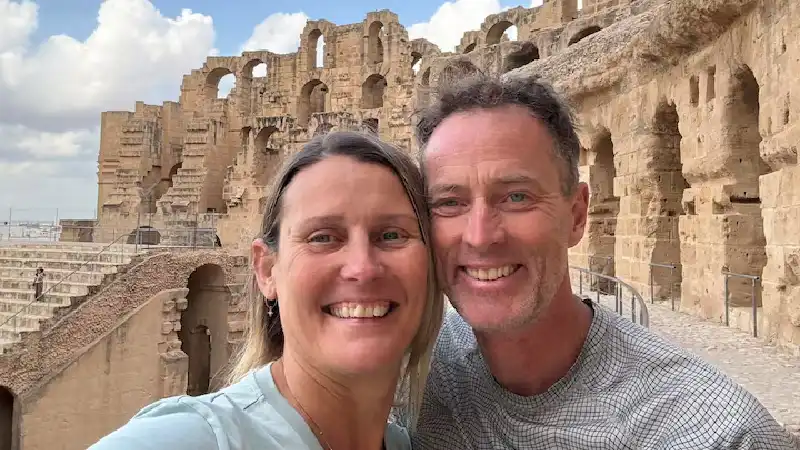
A British national detained in Iran has called on Prime Minister Keir Starmer to publicly reject espionage accusations made against him and his wife, as concerns grow over their safety. The couple, who were sentenced earlier this year to ten years in prison, have consistently denied the charges and say they are being wrongly accused. In a recorded message from prison, the man urged the UK government to take a stronger and more visible stance, warning that their situation has become increasingly dangerous amid escalating regional conflict.
The couple are currently being held in Tehran, where conditions have reportedly worsened due to ongoing military activity linked to tensions in the region. The detained Briton described their environment as a war zone, citing nearby explosions and damage caused by airstrikes. He said prisoners had been forced to take cover during blasts, raising fears about their immediate safety. The message also highlighted growing frustration over what he described as a lack of clear guidance or support from British authorities during the crisis.
In his appeal, the detainee directly urged the UK government to publicly confirm their innocence, stating that such a move could help challenge the allegations and improve their situation. He expressed concern that silence or limited public response may be contributing to their continued detention. The couple’s case has drawn attention from advocacy groups and supporters who argue that stronger diplomatic pressure is needed to secure their release and ensure their wellbeing in a volatile environment.
The UK government has reiterated its position that the charges against the couple are unjustified and has said it is working to secure their return. Officials emphasized that the welfare of British nationals detained abroad remains a priority and that diplomatic efforts are ongoing. However, the case has raised questions about the effectiveness of current approaches in dealing with sensitive international disputes, particularly in regions experiencing heightened conflict and instability.
The situation is further complicated by broader geopolitical tensions involving Iran, which have intensified in recent weeks. Security concerns in the region have increased significantly, affecting both local populations and foreign nationals. The couple’s case reflects the wider challenges faced by governments when navigating diplomatic relations while attempting to protect their citizens abroad. Analysts note that such cases often require a careful balance between public pressure and behind the scenes negotiations.
As international attention remains focused on developments in the region, calls for stronger action are likely to grow. The detainee’s message has added urgency to the situation, highlighting both personal risk and the broader implications of the case. With ongoing diplomatic engagement and rising global scrutiny, the outcome will depend on how effectively authorities can respond to both the humanitarian concerns and the complex political context surrounding the detention.