Tech
Creative Professionals Say AI Is Transforming Their Work and Threatening Their Jobs

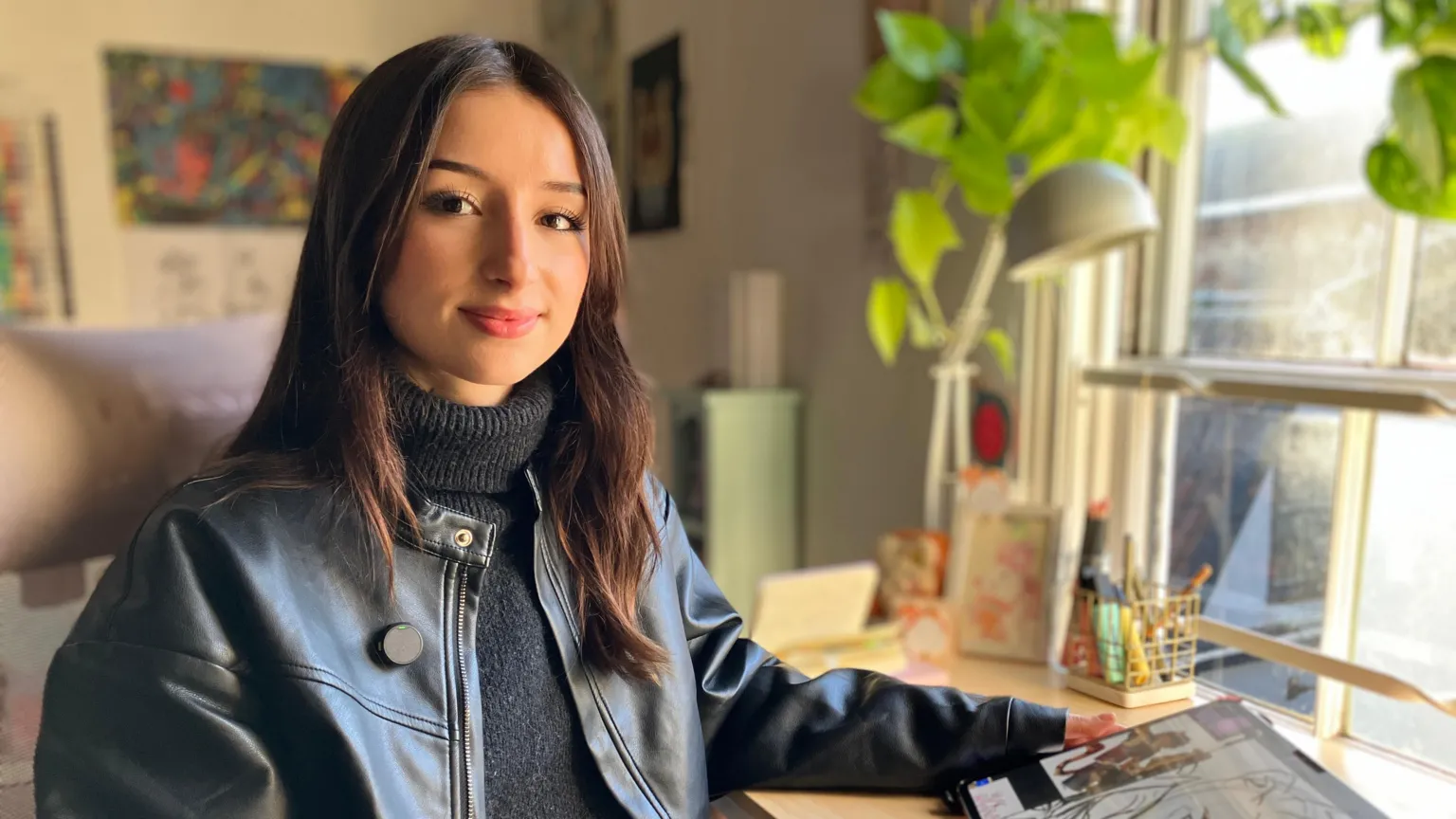
Artificial intelligence has rapidly advanced from a novelty to a powerful tool capable of producing lifelike images, convincing videos and written content that closely resembles human work. While some celebrate these breakthroughs as expanding the boundaries of creativity, many working in the arts feel a deep sense of unease. Recent research shows that more than two thirds of workers in creative fields believe AI has weakened their job security. Half of all novelists surveyed say they fear the technology could replace them entirely. These concerns reflect a growing tension between technological innovation and the livelihoods of people whose careers rely on imagination, style and personal expression.
Artists Face Competition From AI Generated Imagery
For visual artists, the shift has been particularly abrupt. AI image generators can create highly detailed illustrations in seconds, and clients who once commissioned original artwork are increasingly turning to automated platforms for faster, cheaper results. One painter described the emotional toll of seeing AI systems mimic her style with uncanny accuracy, raising questions about artistic ownership and the future of professional illustration. While some artists have begun incorporating AI into their process, many worry that widespread adoption will reduce demand for human generated work and erode the value of their craft.
Videographers Confront an Industry Redefined by Automation
Videographers also feel the impact of AI driven tools that can automate editing, enhance footage, generate scripts or even create entire scenes from text prompts. Tasks that once required hours of skilled labour can now be completed instantly, leaving many professionals wondering how to justify their rates or maintain their competitive edge. One videographer noted that clients increasingly ask whether certain parts of a project can be done by AI instead of a human, forcing him to shift his focus to higher level creative direction. While he acknowledges the efficiency AI offers, he also fears a future where technical craftsmanship is undervalued or phased out.
Musicians Navigate a Changing Soundscape
Musicians are grappling with AI tools capable of composing melodies, generating backing tracks and even mimicking specific voices or styles. Some artists use these tools to spark new ideas or accelerate production, but others worry that AI generated music could flood the market, making it harder for original work to stand out. A songwriter shared that she now competes not only with fellow artists but also with algorithms capable of producing an endless stream of commercially polished tracks. Concerns about copyright, authenticity and artistic integrity are increasingly shaping discussions in the music world.
Copywriters See AI as Both a Tool and a Threat
For copywriters, AI language models present a complex challenge. Tools that generate articles, slogans or marketing content in seconds have become widely accessible, leading some companies to reduce freelance budgets or rely on automated drafts. One copywriter observed that clients sometimes expect AI level speed while still demanding human nuance, creating new pressures around productivity. Many professionals now spend more time refining AI generated text rather than crafting original material, raising questions about the long term value of their skills.
The Future of Creative Work Remains Uncertain
Across the creative industries, AI is reshaping workflows, expectations and job security. While some professionals embrace these tools as collaborators, others fear displacement as algorithms grow more capable. The experiences of artists, videographers, musicians and writers highlight the need for clearer guidelines, ethical standards and protections for human creators. As AI continues to evolve, the central question remains: how can society safeguard the value of human creativity while still embracing technological progress?