Politics
China Grants Visa Free Entry for UK Citizens During Starmer Visit

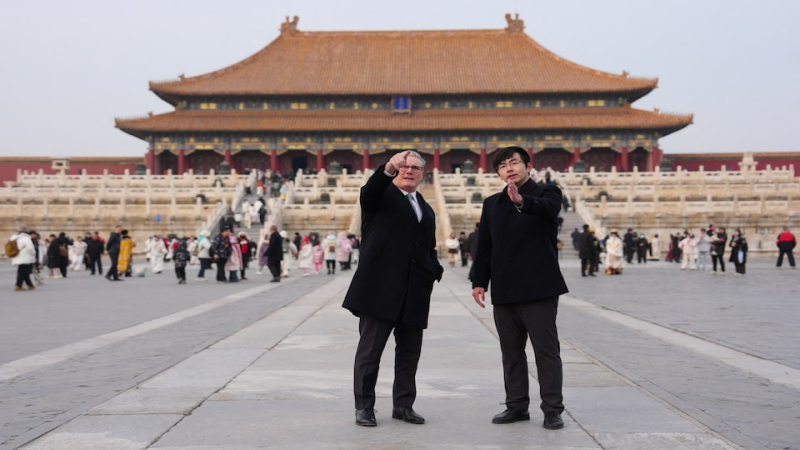
China has announced new visa free travel arrangements for UK citizens during Prime Minister Keir Starmer’s visit to Beijing, signalling a shift toward closer engagement between the two countries. Under the revised rules, British passport holders will be able to enter China without a visa for stays of up to 30 days. The announcement followed talks between Starmer and Chinese President Xi Jinping and was presented by the UK government as a practical step to support business and economic ties. The move is part of a broader effort by both sides to reset relations after years of strained diplomacy, with London keen to open new channels for trade and investment. Officials said easier travel would remove a long standing barrier for companies seeking to expand operations or manage partnerships across borders.
The UK government has framed the visa change as particularly important for the services sector, which makes up a large share of Britain’s economy. Business leaders have long argued that visa requirements complicated short term travel for meetings, negotiations and project work in China. By allowing visa free entry for brief visits, ministers believe British firms will be better positioned to compete and grow their presence in one of the world’s largest markets. The policy is also intended to encourage closer links in areas such as finance, healthcare, professional services, education and legal work, all of which feature prominently in UK exports to China. Officials said demand for British services continues to rise, despite global economic uncertainty.
The visa announcement forms part of what the UK has described as a new partnership framework with China. Alongside travel measures, the two governments agreed to carry out a feasibility study into a potential bilateral services agreement. Such a deal could reduce regulatory friction and improve market access for UK firms operating in China. The discussions took place during Starmer’s four day visit, which has been focused on boosting economic growth at home by strengthening overseas ties. Ministers see closer engagement with China as a way to offset slower growth in traditional markets while maintaining the ability to raise sensitive issues through direct dialogue.
The decision is likely to be welcomed by businesses and travellers alike, though it comes amid ongoing debate about the balance between economic opportunity and political risk in relations with Beijing. Critics have warned of security concerns and have urged caution over deeper engagement. Supporters argue that structured cooperation and clear rules offer a more effective way to manage differences. For now, the visa change represents one of the most tangible outcomes of the visit, with immediate implications for travel and commerce. It also reflects a wider trend of countries reassessing access and mobility rules as global competition for investment and influence intensifies.