Fashion
Chanel’s New Creative Era Begins as Matthieu Blazy Unveils Stripped Back Couture Vision

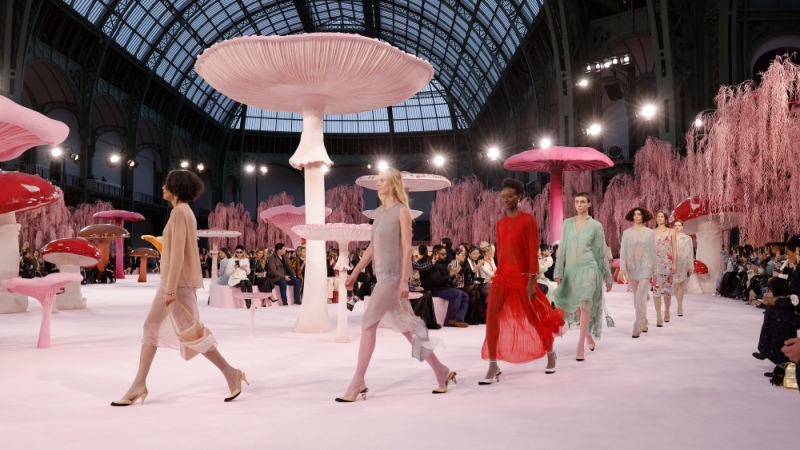
Chanel has entered a new chapter in haute couture as Matthieu Blazy presented his first couture collection for the French fashion house, signalling a deliberate shift toward restraint, lightness and simplicity. For his debut, Blazy set out to redefine Chanel’s identity by stripping away its most recognisable signatures, including tweed and ornate buttons, to test whether the brand’s essence could still shine through. The result was a collection rooted in subtlety rather than spectacle, where elegance came from refinement instead of excess. Blazy described the process as an exploration of what truly defines Chanel, drawing inspiration from the house’s origins and the philosophy of its founder. Rather than leaning on heritage codes, he aimed to reconnect couture with everyday wearability, presenting garments that felt relevant, modern and quietly confident while still grounded in exceptional craftsmanship.
The collection marked a clear departure from the aesthetic of Blazy’s predecessor, with a stronger focus on purity of form and function. He framed his work as an ongoing dialogue with Gabrielle Chanel, noting that early couture was designed not just for grand occasions but for real life. That approach informed his decision to simplify silhouettes and materials, allowing construction and texture to take centre stage. Throughout the design process, Blazy said he repeatedly removed elements that felt heavy or overly decorative, refining pieces until the message felt clear. Black skirts, tailored trousers and softened versions of the classic suit reflected his belief that couture can be both luxurious and practical. The emphasis was not on visual impact alone, but on clothes that women would genuinely want to wear.
Despite the pared back aesthetic, the collection made full use of Chanel’s vast artisanal resources. Blazy collaborated closely with specialist ateliers to develop intricate textures inspired by unexpected sources, including bird imagery. Raffia, jersey and cotton were reworked into jackets and coats, while embroidery and featherwork were used to subtly echo traditional tweed effects. He described the process as collaborative and intuitive, favouring hands on experimentation over sketches. Alongside the creative shift, Chanel has also restructured its design studios, expanding teams and dedicating separate units to couture, ready to wear and Métiers d’Art. Executives say the changes reflect growing demand for couture and are designed to support Blazy as he shapes the future of one of fashion’s most influential houses.