Business
Can Japan Get More Female Business Leaders?

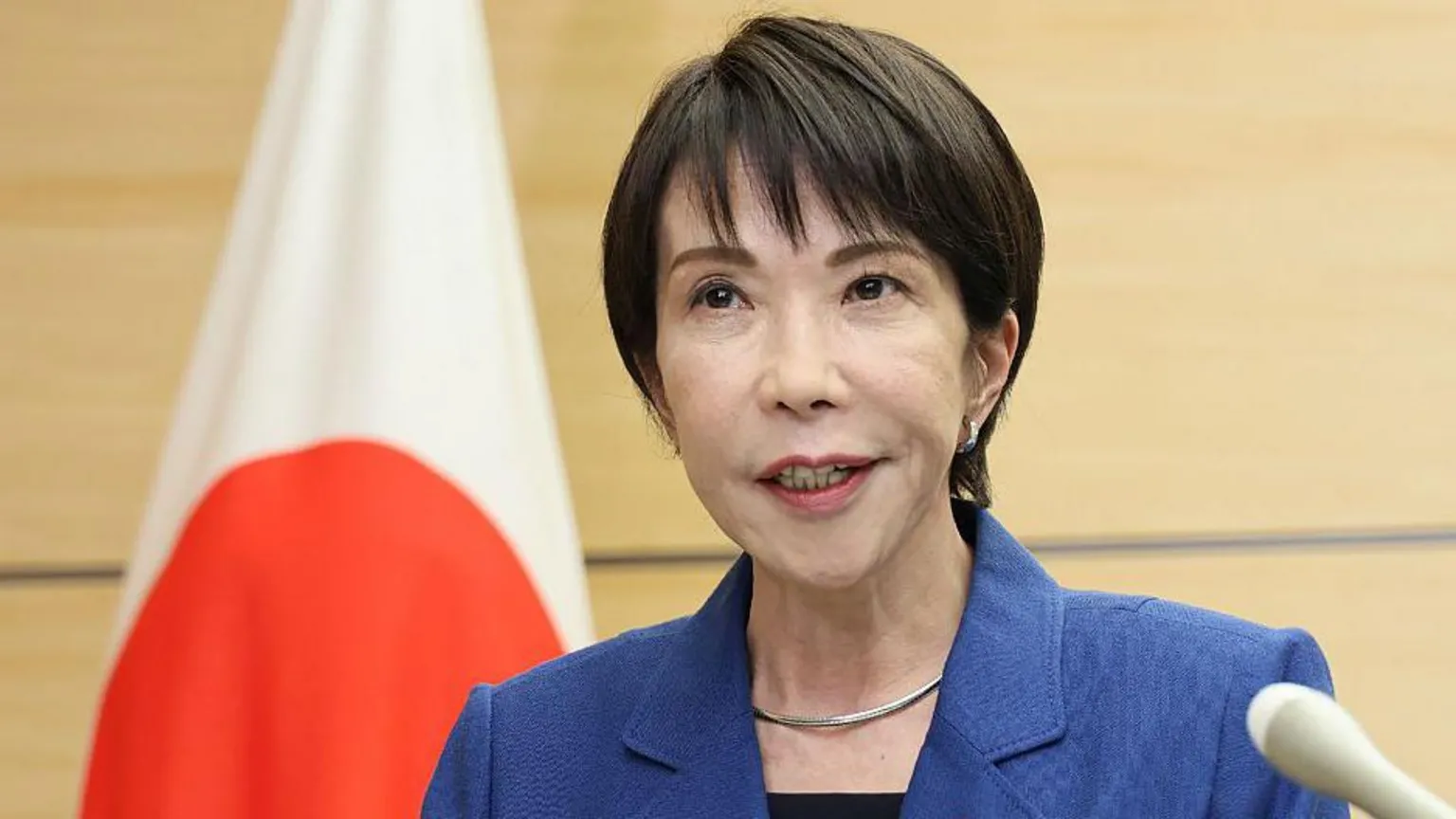
Japan made global headlines in October when Sanae Takaichi became the country’s first female prime minister. Her appointment was hailed as a historic moment for Japanese women and a sign that barriers to leadership might finally be shifting. Yet the excitement has been mixed with caution. Critics argue that Takaichi’s conservative political views may not advance gender equality in a meaningful way, raising questions about whether her rise will translate into broader structural change. Even her supporters admit that while her leadership is symbolically important, Japan’s deeper challenges run far beyond one appointment.
A Persistent Gender Gap in a Developed Economy
One area where there is clear agreement is the need for more women in leadership positions across business and government. Despite being one of the world’s most advanced economies, Japan consistently ranks low on gender equality indicators. In the World Economic Forum’s latest Gender Gap Index, Japan placed 118th out of 148 countries. Among OECD member nations, it ranked last, highlighting just how far the country lags behind its economic peers.
These numbers paint a stark picture of the difficulties Japanese women face in rising to senior roles. Traditional gender expectations, long working hours, limited childcare support and a corporate culture that often favours male career progression all contribute to the imbalance. Even highly educated and ambitious women frequently find themselves pushed into part time roles or expected to leave the workforce after having children.
Government Targets and Delayed Progress
The Japanese government once set a bold target. By 2020, it aimed to have women holding 30 per cent of leadership positions across all sectors. But as the deadline approached, it became evident the goal would not be met. Instead of pushing harder, the government quietly extended the timeframe to 2030. Meanwhile, current statistics show that women occupy only around 11 per cent of leadership positions in business.
These figures reflect not only slow progress but also a deeper structural resistance to change. Although companies increasingly acknowledge the benefits of diversity, many struggle to redesign workplace cultures that have been shaped for decades around male career patterns. Promotions often depend on long hours, late night networking and seniority based systems that disadvantage employees who take career breaks, particularly mothers.
What Needs to Change for Real Progress
To increase the number of female business leaders, Japan will need reforms that go beyond political symbolism. Affordable childcare, flexible work arrangements and policies that encourage men to take paternity leave are crucial. A cultural shift is also necessary. Women must be encouraged to pursue leadership roles, and companies must recognise that diverse perspectives improve decision making, innovation and long term performance.
There are positive signs. Some major Japanese companies have begun investing in leadership development programmes for women. More firms are offering hybrid work options, and younger generations increasingly support gender equality in the workplace. International pressure also plays a role, especially as foreign investors reward companies that demonstrate strong diversity and governance standards.
A Critical Moment for Japan’s Future
As Japan faces a shrinking workforce and growing economic pressures, unlocking the potential of women is not just a matter of fairness. It is an economic necessity. Studies repeatedly show that countries with higher levels of gender equality enjoy stronger long term growth. If Japan is to remain competitive, it cannot afford to leave half of its talent underutilised.
Sanae Takaichi’s rise may inspire more women to pursue leadership, but true progress will depend on sustained effort from policymakers, businesses and society as a whole. Whether Japan meets its 2030 goals will be a test of its commitment to modernising its workforce and embracing a more inclusive future.