
News
Bird Flu Fears Rise After Dozens of Swans Found Dead in London Docklands

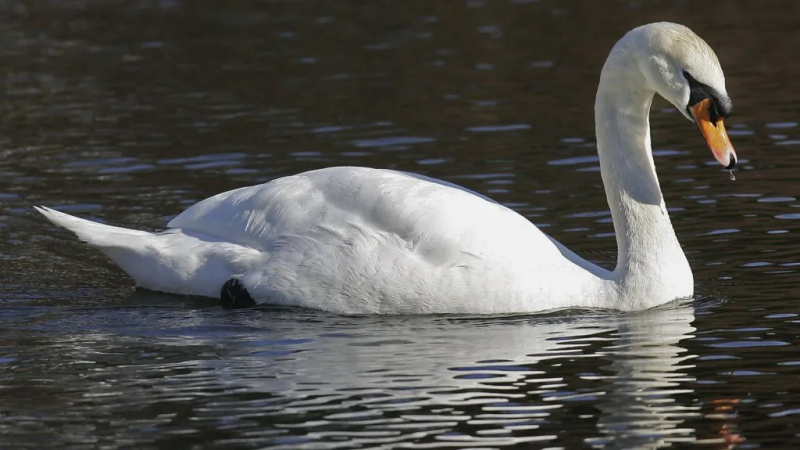
Health officials are investigating after more than 30 swans were found dead in London’s Docklands, raising concerns that a fresh outbreak of avian influenza may be spreading through the capital’s waterways.
The birds were recovered from West India Dock and Millwall Dock near Canary Wharf over the past week. The Canal and River Trust confirmed that a specialist contractor has collected at least 30 dead swans and that tests are under way to determine the exact cause of death.
The Animal and Plant Health Agency has urged members of the public not to touch or pick up any dead or visibly sick birds. Officials have also advised people to wash their hands thoroughly with soap and water if they come into contact with wild birds and to report any findings through the Department for Environment, Food and Rural Affairs helpline.
Ben Macmillan, an ecologist with the Canal and River Trust, said the scale of the deaths in a concentrated area was concerning. Volunteers from The Swan Sanctuary have been assisting with the removal of the bodies and say the situation has been distressing.
Andy Miller, a volunteer with the charity, said the current strain appears to be highly infectious and particularly lethal. He noted that young swans born earlier this spring seem to have been especially affected. While suspected cases have been reported further along the River Thames, he said the concentration of deaths in Docklands over a short period has stood out.
Experts say identifying infected birds can be challenging. Lethargy is often the most visible symptom, but affected swans may also develop tremors or display unusual behaviour such as moving in circles. Officials have warned that feeding birds by hand could increase the risk of spreading the virus between flocks.
Avian influenza, commonly known as bird flu, is a viral disease that affects both poultry and wild birds. While many strains cause mild illness in wild populations, highly pathogenic forms can lead to severe disease and significant mortality. The UK has experienced waves of outbreaks in recent years, with major impacts on seabirds and waterfowl since 2021.
The Animal and Plant Health Agency said it is investigating the Docklands deaths under its dead wild bird surveillance scheme. The agency tracks reports across the country to monitor the spread and evolution of the virus.
Authorities are encouraging the public to report dead wild birds through Defra’s online reporting system or helpline. Early reporting helps officials assess whether further control measures are needed to limit the impact on wildlife and prevent transmission to poultry or captive birds.



