Business
Bentley Job Cuts Threaten 200 Roles Amid Shifts
Bentley job cuts could put more than 200 roles at risk as the luxury carmaker adapts to softer demand, cost pressures and a changing UK auto market.

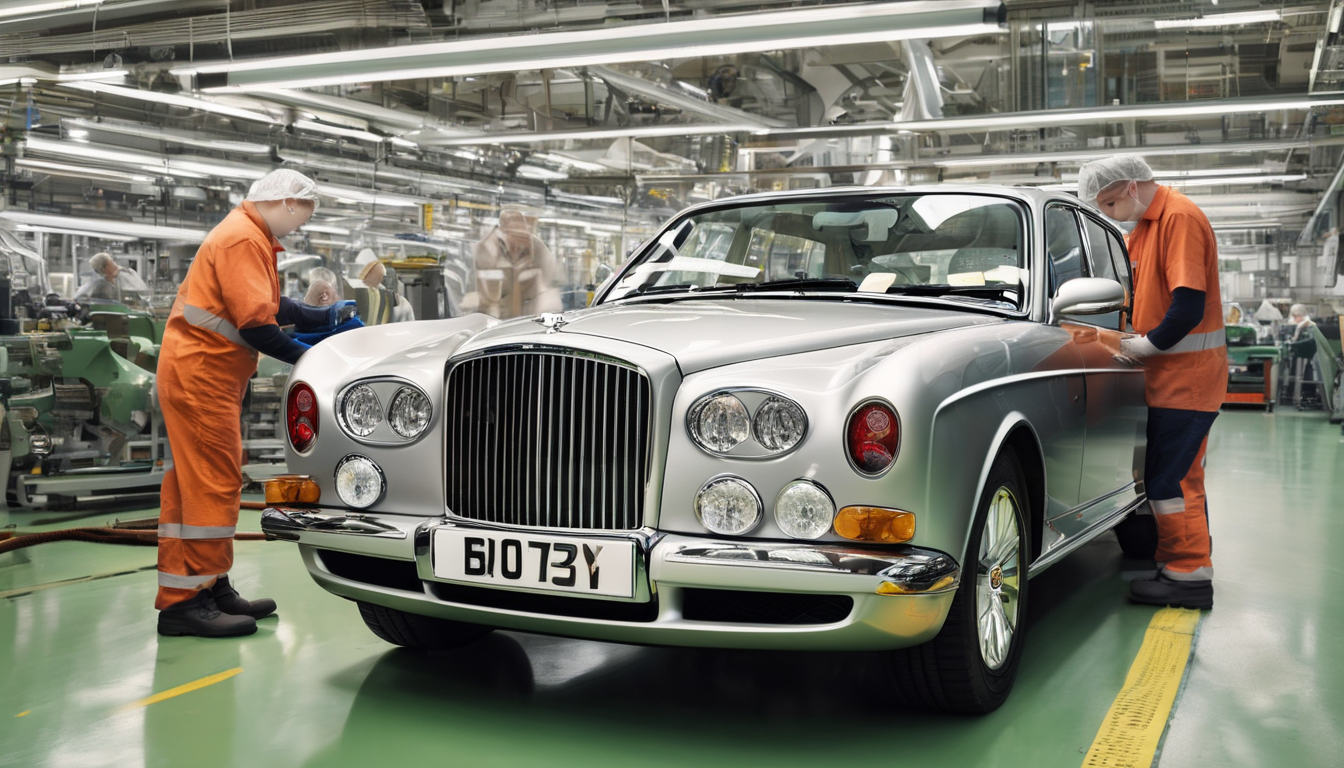
Introduction to Bentley’s Current Situation
Bentley has entered a tense new chapter as more than 200 roles are reported to be at risk, a move that underscores how quickly the ground is shifting beneath even the most prestigious names in the British car industry. The Bentley job cuts are being discussed against a backdrop of slower momentum in parts of the luxury market, ongoing cost inflation across materials and energy, and heavy investment demands tied to electrification. UK automotive news has tracked how premium manufacturers are balancing profitability with long-term product transitions, and Bentley’s Crewe operation is now at the centre of that debate. While the company remains a global symbol of craftsmanship, the latest reports indicate management is preparing for leaner conditions and tougher internal targets.
Analyzing Financial Results for 2025
Any assessment of Bentley’s staffing plans has to start with the pressures visible in Bentley financials as the business moves into 2025 planning. The ultra-luxury segment is not immune to higher borrowing costs, cautious corporate spending, and a more competitive field of high-end SUVs and grand tourers. Industry coverage from outlets such as autocar.co.uk and caranddriver.com has highlighted how manufacturers are increasingly judged on disciplined cash flow as well as brand strength, particularly when funding new platforms and battery supply chains. Bentley’s model mix has historically cushioned volatility, but today’s margin expectations collide with the expense of retooling, software development, and compliance. In that context, labour costs become a lever executives consider when protecting profitability and funding future programs.
Impact of Job Cuts on the UK Auto Industry
The immediate effect of workforce reductions at a flagship employer is felt far beyond the factory gates, and that is why the Bentley job cuts resonate across the UK supply chain. Crewe’s ecosystem includes component suppliers, logistics firms, maintenance contractors, and specialist service providers whose order books reflect production rhythm. In the British car industry, premium plants also support clusters of high-skilled trades that are difficult to replace once displaced. Fewer roles can mean fewer apprenticeships and less retention of niche capabilities such as trim, paint, and bespoke finishing, areas where Britain still holds competitive strength. For policymakers and local leaders, the story is not only about headline numbers, but also about how industrial strategy holds up when high-value manufacturing tightens headcount during a technology transition.
Reactions from Industry Experts and Employees
In UK automotive news, reactions to potential job losses often split between sober acceptance of market realities and frustration that restructuring arrives after years of productivity gains. Industry analysts point out that luxury marques face a double bind: they must preserve craftsmanship and quality standards while streamlining operations to stay competitive against rapidly modernising rivals. Employees and their representatives typically argue that knowledge loss carries long-term risk, because premium build quality depends on experience as much as equipment. Commentary in the wider trade press has also stressed that morale matters in a business built on meticulous execution and customer trust. Bentley’s challenge is to communicate clearly, protect critical skills, and avoid a perception that cost-cutting is being prioritised over the people and processes that define the brand’s value.
Future Outlook for Bentley and the Automotive Sector
Looking ahead, Bentley’s prospects will hinge on whether it can align investment cadence with demand without undermining the attributes that justify its pricing power. Bentley financials will remain under scrutiny as the company pushes toward electrified products, higher software content, and tighter emissions requirements, all while attempting to sustain bespoke profitability. Across the British car industry, the most resilient firms are those that secure stable energy costs, deepen supplier partnerships, and keep development schedules realistic to avoid expensive delays. For Bentley, a measured approach to capacity, a sharper focus on high-margin specifications, and disciplined spending could stabilise performance through 2025. The broader automotive sector is moving into an era where operational efficiency is inseparable from innovation, and Bentley’s ability to protect core craftsmanship while adapting at pace will define the next phase.