
Entertainment
Bath Museum Celebrates Mary Shelley and the Enduring Legacy of Frankenstein

A museum in the historic English city of Bath is drawing renewed attention to Mary Shelley and her groundbreaking novel Frankenstein, offering visitors an immersive look at the life and imagination behind one of literature’s most influential works. Located in a Georgian townhouse where Shelley once lived, Mary Shelley’s House of Frankenstein explores the origins and cultural impact of the Gothic classic first published in 1818.
Shelley, born Mary Wollstonecraft Godwin, conceived the idea for Frankenstein when she was just 18 years old. During a stay near Lake Geneva in 1816 with her future husband Percy Bysshe Shelley and the poet Lord Byron, she responded to a challenge to write a ghost story. The result was a novel that many scholars consider the world’s first science fiction work, blending themes of ambition, creation and moral responsibility.
After returning to England, Shelley spent time in Bath, where she drafted significant portions of the novel before completing it in Marlow. The story of scientist Victor Frankenstein and the Creature he brings to life from assembled body parts has since become a powerful cultural symbol. Over two centuries, the tale has inspired countless adaptations across theatre, film and television, each offering its own interpretation of the misunderstood being at the heart of the story.
The Bath museum features recreated scenes from the novel, including Victor Frankenstein’s laboratory, as well as exhibitions detailing Shelley’s personal struggles and intellectual influences. Curators highlight how the novel reflects early nineteenth century anxieties about scientific discovery and rapid social change. Visitors are encouraged to consider how those fears resonate today, particularly in debates about technological advancement and ethics.
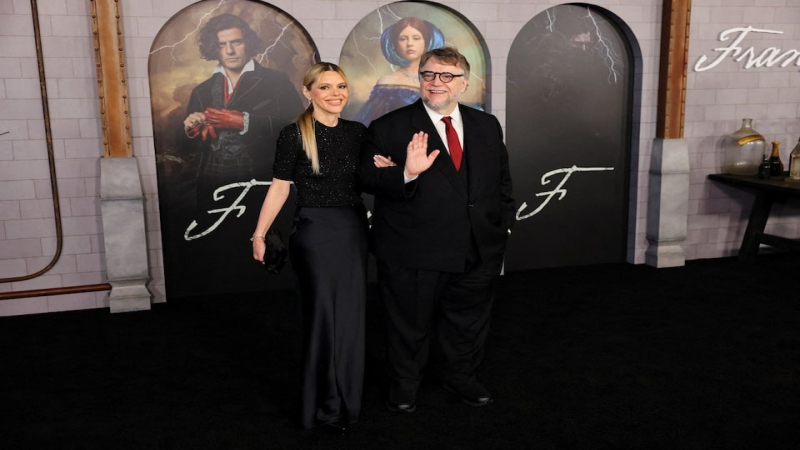
The renewed spotlight on Shelley’s work coincides with the success of a recent film adaptation by Mexican director Guillermo del Toro. The film has received nine Academy Award nominations, including best picture, and eight nominations at the British Academy Film Awards. Actor Jacob Elordi, who portrays the Creature, has been recognised in supporting actor categories. The latest adaptation presents the Creature as sensitive and intellectually curious, aligning more closely with Shelley’s original depiction than some earlier portrayals.
Early stage adaptations often transformed the Creature into a silent monster, stripping away the eloquence and emotional depth that characterised him in the novel. Over time, the image of Frankenstein has evolved in popular culture, sometimes overshadowing Shelley’s nuanced exploration of rejection, prejudice and isolation. Museum organisers say their goal is to restore focus to the author’s vision and the philosophical questions embedded in her writing.
Bath is also known for its association with Jane Austen, another celebrated female novelist. Museum directors believe Shelley deserves comparable recognition for her contribution to English literature and modern storytelling. Through interactive exhibits and educational programs, the attraction aims to introduce new generations to a novel that continues to influence discussions about science, humanity and responsibility.
As awards season unfolds and interest in Frankenstein rises once again, the Bath museum stands as a tribute to a young writer whose imagination reshaped literary history and continues to inspire global audiences.



