Sports
Basketball Boom Accelerates Across London With Major City Investment

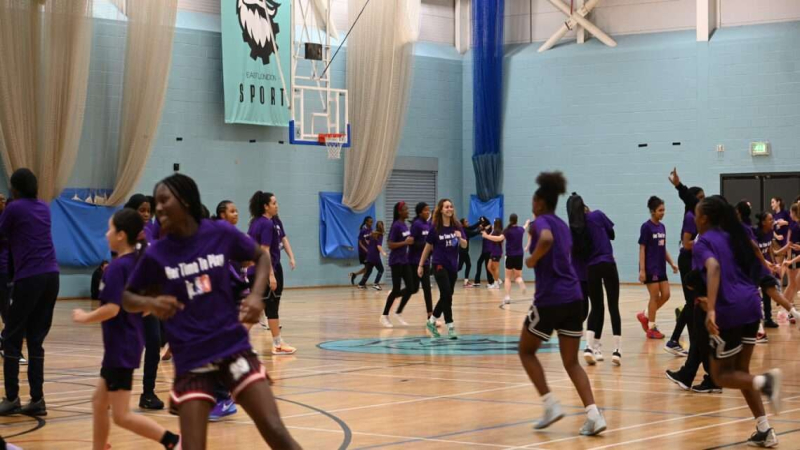
Basketball’s rise across London has gathered fresh momentum as new funding and growing participation reshape the sport’s presence in the capital. With more than 500,000 active players now recorded across the city, basketball has become the second most popular team sport in England, trailing only football. City Hall has announced a further £1.5 million investment aimed at expanding coaching pathways and improving playing facilities, reinforcing basketball’s status as one of London’s fastest growing sports. The funding was revealed ahead of a major professional fixture held in the capital and is designed to build on recent gains at community level while opening up clearer routes for progression. Supporters of the game say the scale of participation highlights both the success of grassroots programmes and the urgent need to strengthen infrastructure to match demand.
The new funding package will extend the London Coaches Programme, training up to 180 new basketball coaches to support clubs, schools and community projects across boroughs. Alongside this, a new fund will be created to refurbish and upgrade outdoor courts, many of which are heavily used and in need of investment. An additional indoor programme will offer affordable basketball sessions in Greenwich during the winter months, addressing a long standing gap in access to indoor space when weather limits outdoor play. City leaders say these measures are intended to ensure basketball continues to thrive in diverse communities, particularly among young Londoners who see the sport as accessible, affordable and culturally relevant.
Those working closely with the sport have welcomed the investment while warning that challenges remain. Former City Hall officials and education leaders involved in basketball development say the lack of dedicated facilities is holding the sport back at both community and elite levels. They argue that exposure to high quality arenas and well run programmes can transform how young players see their future in the game. In areas such as east London, where the legacy of the Olympic Games raised expectations around sporting opportunity, the absence of elite basketball venues has been a persistent issue. Advocates say investment must extend beyond participation to include coaching, officiating, administration and governance if the sport is to develop sustainably.
At the professional level, progress has been uneven but encouraging signs have emerged. The national men’s team has struggled to convert participation into international success, despite early hopes following the 2012 Olympics. In contrast, London’s leading professional club has achieved unprecedented success in European competition, fuelling interest in the sport and sparking discussions about building a new large scale arena in the capital. Supporters believe a modern venue would reflect the sport’s popularity and provide a visible pathway from grassroots courts to elite competition.
Basketball’s renewed profile has also been boosted by the return of top level international games to London, drawing sell out crowds and media attention. City leaders have framed the sport’s growth as part of a wider push to keep Londoners active, healthy and engaged through accessible sport. With participation already high and fresh funding now in place, the challenge ahead lies in converting enthusiasm into long term structures that allow talent to flourish. As basketball continues to embed itself in London’s sporting landscape, the next phase of development will test whether investment can truly match the scale of the game’s popularity.